
Outdoor 5G radio unit (RU), edge node, and signal booster housings are split across three mold families in 2026: high-pressure die casting (HPDC) in ADC12 or A380 aluminum for sealed IP67 shells, shell molding in iron for complex mounting brackets, and 250 to 2500 ton injection plus structural foam presses for indoor plastic covers and outdoor pole-mount cabinets [S2][S3][S4].
The selection question is not which process is best in the abstract, but which process fits the part's wall thickness band, ingress rating, thermal load, and order volume. Die-cast aluminum covers 50,000+ unit SKUs at 1.5 to 2 mm wall with 90 to 155 W/(m·K) thermal conductivity; shell molding carries 500 to 50,000 unit runs on complex geometry where a die would not amortize; plastic injection and structural foam serve the indoor and large-cabinet plastic side of the bill of materials [S2][S4].
Process Envelope: HPDC vs Shell Molding vs Plastic Molding
Shell molding machines for telecom-grade iron and steel inserts run on 600×500 mm, 800×600 mm, and 1000×800 mm flask footprints, with 200 to 280 °C platen temperatures, 30 to 90 s cure times, and 6 to 9 bar shot pressure on hot-box core shooters; the working envelope is the right fit when enclosure geometry is complex, wall sections vary, and the order falls in the 500 to 50,000 unit band where an H13 die would not pay back [S2].
High-pressure die casting takes over when thermal conductivity must hit 90 to 150 W/(m·K), wall thickness drops to 1.5 to 2 mm, and per-SKU volume clears 50,000 housings; cycle times run in seconds and a hardened H13 die carries the repeatability burden, not the resin system, with machined faces landing at Ra 1.6 to 3.2 µm as-cast versus Ra 6.3 to 12.5 µm for shell-molded surfaces [S2][S3]. For the full breakdown of metal housing mold types and where they fit, the casting mold reference is the starting point.
Material Decision Map: Alloys and Resins by Application
Die-cast aluminum alloys dominate outdoor 5G RU housings: EN AC-46000 (A380) and EN AC-47100 (ADC12) are the default thin-wall electronics grades with roughly 92 W/(m·K) conductivity, while EN AC-44300 at around 155 W/(m·K) is specified for sealed, pressure-tight radio heads; EN AC-43400 fills the ductility-focused bracket [S2].
For RF-transparent indoor plastic housings, the working set is LCP, PPE/PPO, PPS, and modified PTFE compounds with low Dk/Df above 1 GHz, typically paired with UL 94 V-0 halogen-free flame packages; structural foam with the same base resins cuts part weight 10 to 30% and removes sink over thick sections, which is why foam is favored above roughly 4 kg finished part weight on large cabinet bodies [S2][S4]. For iron and steel inserts that still ride shell-mold lines, the sand casting mold process window applies.
Zamak 3 and Zamak 5 (ZnAl4, ZnAl4Cu1, about 110 W/(m·K), 6.6 g/cm³) remain the small-precision option for connector shells and antenna trim, die-cast on the same presses as aluminum but rarely through shell molding; current supplier data shows the IP67 die-cast aluminum envelope at 50 × 50 × 30 mm up to 300 × 200 × 100 mm typical size, with ±0.1 mm standard tolerance and ±0.05 mm on critical features [S2][S3].
Wall Thickness and Tolerance Gates
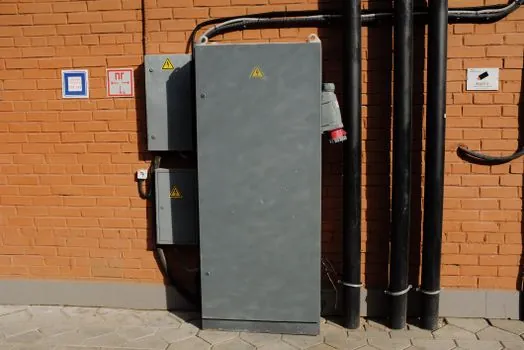
Wall thickness consistency is the single most consequential design rule across all three mold families: variations above roughly 0.8 mm between adjacent sections cause sink marks around bosses and warpage on flat covers, and the risk rises sharply for weatherproof telecom housings [S4]. For conventional injection-molded telecom covers, uniform wall sits in the 1.5 to 3.5 mm range; structural foam relaxes the rule to 6 to 12 mm because the gas expansion tolerates thicker sections, while HPDC aluminum telecom enclosures hold 1.5 to 2 mm with rib-to-wall ratios at 0.4 to 0.6 to keep sink and warpage in band [S2][S4].
Telecom enclosure mold revisions after first article typically cost 20 to 40 percent of the initial tooling when cosmetic Class-A requirements force steel rework, so draft angle, gate location, and ejector layout must be reviewed before tooling steel is cut, not after first sample [S4]. Die-cast aluminum tooling on this product class amortizes quickly at medium-to-large volumes, with prototype runs of 5 to 50 pieces delivering in 10 to 15 days and production batches running 20 to 30 days per current OEM data [S3].
IP Rating, Shielding, and Sealing Architecture
Outdoor 5G radio housings, edge nodes, and signal boosters are spec'd at IP65 minimum and IP67 where submersion is possible, with chromated grounding pads cast directly into the housing for EMI/RFI shielding on die-cast builds; current supplier offerings publish IP67 (dust-tight, water-immersion to 1 m for 30 min) on router, booster, and outdoor antenna enclosures using ADC12 aluminum bodies sealed with silicone gaskets in cast-in gasket grooves [S2][S3].
Insert molding is now standard for telecom enclosures that need threaded brass inserts, heat-set captive nuts, or overmolded gaskets in a single shot, and current production lines integrate this directly with the injection cell to avoid secondary pressing; UV-stabilized PC and PA66-GF are specified for outdoor pole-mount and rooftop enclosures under continuous sunlight, while PBT and glass-filled PA are common for battery and power-supply compartments inside telecom enclosures where dimensional stability and electrical insulation matter more than cosmetics [S4]. The supporting hardware, from mold base selection to casting auxiliary items such as ejector sleeves and cooling fittings, drives the cycle-time and uptime side of the cell.
Selection Criteria Comparison: HPDC vs Shell Molding vs Plastic Molding
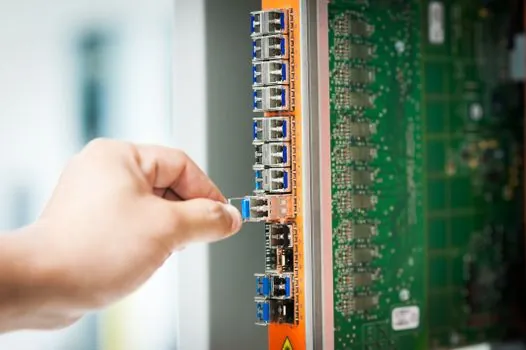
The three mold families line up against four decision criteria that drive 2026 specifier choice. Order volume: HPDC aluminum pays back above 50,000 units per SKU, shell molding wins the 500 to 50,000 band, and plastic injection plus structural foam scale from prototype runs of 5 to 50 pieces to high-volume Class-A covers [S2][S3][S4]. Wall thickness and tolerance: HPDC holds 1.5 to 2 mm at ±0.05 to ±0.1 mm on critical features, shell molding handles variable sections with machined finishes downstream, and plastic injection stays in the 1.5 to 3.5 mm uniform-wall window while structural foam relaxes to 6 to 12 mm [S2][S3][S4].
Ingress and shielding: HPDC aluminum with silicone gaskets hits IP67 with cast-in chromated grounding pads, shell-molded iron typically receives paint or powder-coat sealing for IP65/IP67 service, and plastic housings reach IP65/IP67 through molded-in gasket grooves and insert-molded seals [S2][S3][S4]. Thermal load: EN AC-44300 at roughly 155 W/(m·K) is the HPDC pick for sealed pressure-tight radio heads, ADC12 at about 92 W/(m·K) is the default thin-wall electronics grade, and plastic solutions rely on heat-sink fins or metal inserts for high-power dissipation [S2][S3].
Volume Bands, Lead Times, and Sourcing Signals
Telecom enclosures sit in the 0.5 to 8 kg casting bracket, and a 1-ton annual capacity per line is a realistic figure for a small-to-mid shell-molding shop running two machining plants and 200+ supporting machines, the facility benchmark published by current custom-housing foundries [S2]. ADC12 IP67 die-cast aluminum enclosure orders in current supplier data carry a 50-piece minimum order quantity, prototype runs from 5 pieces, and supply ability up to 10,000 pieces per day on a hot production line [S3].
For a related view on metal housing mold selection, the die casting mold selection for electronics housings reference covers alloy, tolerance, and shot-life gates; for the parallel bracket and insert side, the casting tooling window sets the steel-grade and cooling-line expectations. Sourcing signals worth tracking: the 2026 telecom mold data confirms ADC12, A380, and Zamak 3/5 as the dominant die-cast alloys, while plastic-side material specs are converging on PC/ABS for indoor housings and UV-stabilized PC or PA66-GF for outdoor pole-mount and rooftop enclosures, with structural foam holding the 4 kg-plus cabinet-body bracket [S2][S3][S4].