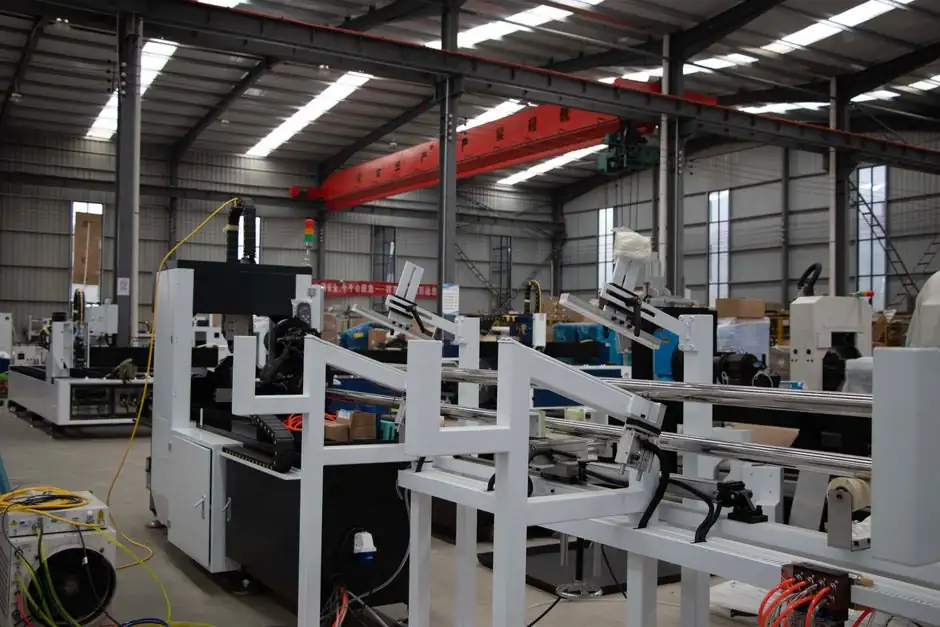
Telecom enclosure production in 2026 splits cleanly along two material lines: plastic molding for indoor 5G CPE, routers, and signal boosters, and metal casting for outdoor 5G radio units (RU) and edge nodes where IP65/IP67 and EMI shielding are non-negotiable [S1][S2][S3].
For foundries serving the outdoor 5G segment, a shell molding machine platform matched to 800×600 mm or 1000×800 mm flask footprints, 200-280 °C heated platens, and phenolic or furan resin systems is the working envelope cited in current casting-supplier facility data [S4].
Process envelope: shell molding vs die casting for telecom shells
Shell molding (resin-bonded sand, 200-280 °C plate, 6-9 bar shot pressure on hot-box machines) is the right process when enclosure geometry is complex, wall sections vary, and the order is in the 500-50,000 unit range where a die would not pay back [S4].
High-pressure die casting (HPDC) of aluminum dominates when thermal conductivity must hit 90-150 W/(m·K), wall thickness drops to 1.5-2 mm, and volumes exceed 50,000 housings per SKU; cycle times run in seconds and a hardened H13 die carries the repeatability burden, not the resin [S2].
Plastic molding line work with LCP, PPE/PPO, PPS, and modified PTFE compounds to hold low Dk/Df for RF clarity above 1 GHz, typically with UL 94 V-0 flame rating on halogen-free packages [S1].
Material decision map: plastic vs die-cast aluminum vs shell-cast iron
Die-cast aluminum alloys (EN AC-46000/A380, EN AC-47100/ADC12, EN AC-43400, EN AC-44300) cover the bulk of outdoor 5G RU housings; EN AC-47100/ADC12 (~92 W/(m·K)) is the default for thin-wall electronics enclosures, while EN AC-44300 (~155 W/(m·K)) is the pick for sealed, pressure-tight radio heads [S2].
Plastic molding keeps the indoor side of the BOM on RF-transparent LCP or PPE/PPO with low dissipation factor; specialist shell-molded iron or steel inserts still appear in mounting brackets, heat-sink backplates, and grounding lugs where stiffness outweighs weight [S1][S4].
Zamak 3 and Zamak 5 (ZnAl4, ZnAl4Cu1, ~110 W/(m·K), ~6.6 g/cm³) are the small-precision option for connector shells and antenna trim, die-cast on the same presses as aluminum but rarely via shell molding [S2].
Spec bands: flask size, platen temperature, shot pressure, surface finish
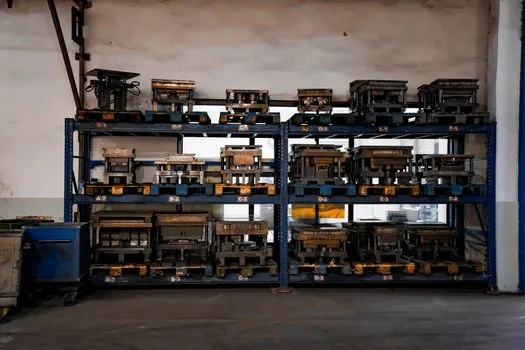
Telecom enclosures sit in the 0.5-8 kg casting bracket; a 1-ton annual capacity per line is a realistic figure for a small-to-mid shell-molding shop using two machining plants and 200+ supporting machines, the facility benchmark published by current custom-housing foundries [S4].
Standard flask footprints for telecom-grade shell work cluster at 600×500 mm, 800×600 mm, and 1000×800 mm; platen temperatures are run at 200-280 °C, cure times at 30-90 s, and shot pressures at 6-9 bar on a hot-box shell core shooter train [S4].
Surface finish for shell-molded telecom castings lands at Ra 6.3-12.5 µm as-molded, with paint or powder-coat finishing for IP65/IP67 sealing; for die-cast aluminum the as-cast figure is tighter (Ra 1.6-3.2 µm on machined faces), and sealing is typically done with cast-in gasket grooves plus silicone O-rings [S2][S3].
IP rating and shielding: which process hits which ingress class
Outdoor 5G radio housings, edge nodes, and signal boosters are spec'd at IP65 minimum and IP67 where submersion is possible, with chromated grounding pads cast directly into the housing for EMI/RFI shielding on die-cast builds [S2][S3].
ISO-certified 5G telecom shell suppliers publish IP67 ratings on router, booster, and outdoor antenna enclosures using cast aluminum or reinforced plastic bodies with molded-in gasket grooves; static-pressure molding machine lines are not normally used for the enclosure body itself, but are common for the mounting feet and sealing collars [S3][S4].
Shell-molded iron/steel inserts are mostly hidden inside the housing; for visible surfaces, paint or powder-coat is used, and EMI shielding relies on conductive gaskets and metallized coatings, not the cast substrate [S2].
Selection criteria: when shell molding wins, when HPDC wins, when plastic wins

Pick shell molding when: order volume is 500-50,000 units, part weight is 0.5-8 kg, geometry has deep pockets or internal cores, and lead time has to be under 8 weeks (no hardened die to machine) [S4].
Pick HPDC aluminum when: volume is 50,000+ units, thermal conductivity must exceed 90 W/(m·K), wall thickness drops to 1.5-2 mm, and an IP65/IP67 rating with cast-in EMI shielding is on the drawing [S2].
Pick plastic molding when: the enclosure sits indoors or in a weather-protected outdoor box, RF transparency matters more than thermal conductivity, and UL 94 V-0 is required on LCP, PPE/PPO, or PPS compounds [S1].
Failure modes and spec traps
For plastic telecom enclosures the documented failure path is RF signal loss from incorrect Dk/Df selection, warpage during connector soldering, and delamination when halogenated flame retardants are used with mineral fillers; in-mold test plaques are the standard mitigation [S1].
For die-cast aluminum housings the trap is porosity in thin walls causing IP rating leaks; for shell-molded castings the trap is resin burn-on and surface Ra drift above 12.5 µm, which then breaks the paint adhesion needed for outdoor service life [S2][S4].
Capacity planning trap: 1,000-ton annual capacity at a small-to-mid shell-molding shop is easily consumed by 3-4 large telecom RU programs, so lead-time negotiation and queue position are part of the spec, not just the machine footprint [S4].
Standards, certification, and sourcing
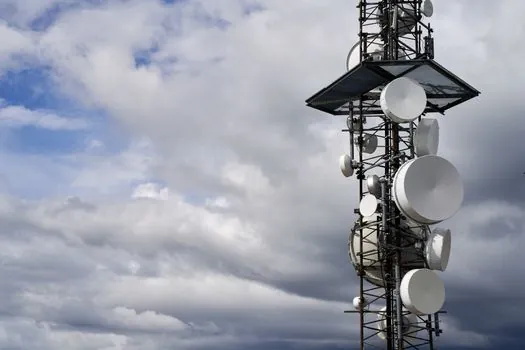
Telecom enclosure buyers commonly require ISO 9001 supplier certification, UL 94 V-0 on plastic parts, and IP65/IP67 test reports per IEC 60529; outdoor 5G shell suppliers document this on published spec sheets in 2026 [S1][S3].
Foundries supporting telecom customers are running investment casting plus automatic shell drying with 1,000-ton annual capacity, a published facility profile that matches the volumes of mid-tier outdoor 5G RU programs [S4].
Plastic molding houses for indoor CPE work run ISO-certified production with in-house RF and Dk/Df test plaques, and they publish dielectric data per compound so antenna engineers can down-select before tooling cuts [S1][S3].
Track these signals over the next two quarters: published flask-size and platen-temperature bands from shell-molding vendors serving 5G RU programs, new halogen-free UL 94 V-0 compounds with verified Dk below 2.8 at 1 GHz, and tier-1 telecom OEM release of die-cast IP67 reference designs that lock the EN AC-44300 versus EN AC-47100 choice for outdoor 5G [S1][S2][S3][S4].
For related coverage, see Gearbox selection for textile mills: a 2026 spec map for spinning, weaving and finishing.