IP67 Provides a Defensible Weather Protection Benchmark
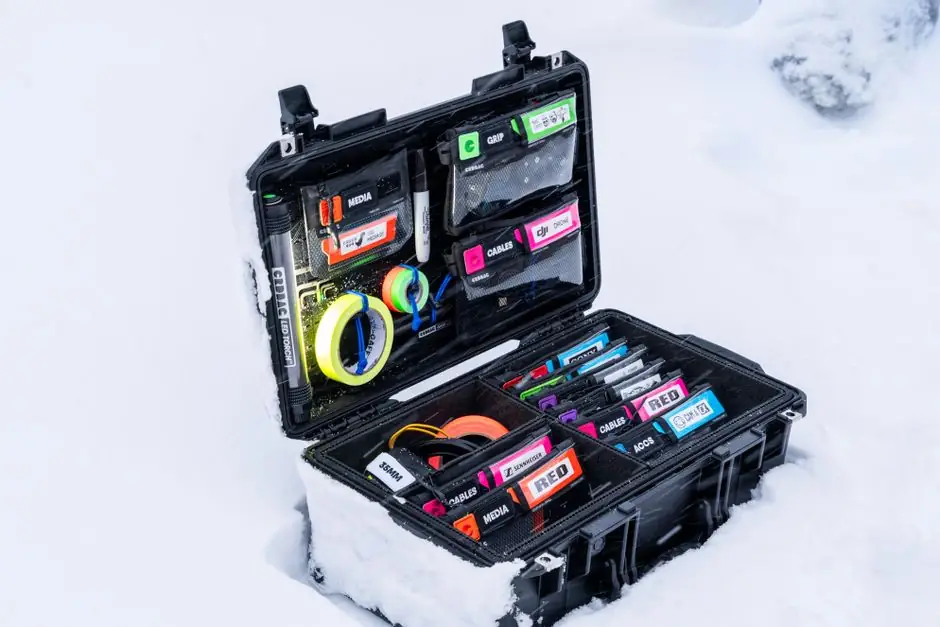
IP67 is a case-level ingress designation combining dust protection with temporary immersion protection, and it gives outdoor procurement teams a clearer specification than the unqualified term weatherproof [S4].
The Waterproof Adventure First Aid Kit – Medium is a $189.99 product described as waterproof and intended for outdoor recreation and demanding job sites.
That difference matters during specification review. A rugged case, a sealed zipper and a weather-resistant shell describe construction features, while an IP67 marking provides a defined ingress-protection benchmark. The broad term weatherproof should not be treated as equivalent to a documented IP rating.
ANSI Class A or Class B Is a Separate Decision
MFASCO describes its Class B first aid kit as having a waterproof rugged case and as OSHA/ANSI Type II and IV. The medium WIAFAK is ANSI/ISEA Z308.1 Class A compliant and targets outdoor recreation, ATVs, boats, RVs and demanding job sites [S3].
Outdoor crews should not select Class A solely because the kit will be carried outside. The appropriate comparison is:
Match Case Construction to the Exposure Profile
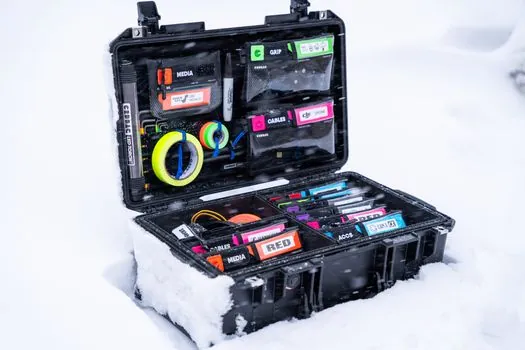
A case rated for rain, handling and site impacts must address more than water, because drops, dust, pressure changes and vehicle vibration can open or damage less robust closures [S3][S4].
The Waterproof Adventure First Aid Kit – Medium is built for outdoor recreation and demanding job sites. The First Aid Only 25-person kit uses a weatherproof plastic case and contains 141 pieces for small offices, vehicles and work settings [S6]. A 50-person weatherproof plastic-case version is positioned for construction trailers, outdoor work areas and remote locations where weather protection is needed [S8].
For a procurement comparison, record four measurable items: the stated ingress rating, the case material and closure, the number of persons served, and the OSHA/ANSI classification. If the seller provides only weatherproof or rugged wording, request the enclosure rating and product classification before approving the kit.
Outdoor Contents and Capacity Drive the Final Selection
The Waterproof Adventure First Aid Kit – Medium is built for outdoor recreation and demanding job sites.
Capacity remains a separate variable. The First Aid Only 25-person package has 141 pieces, while a separate 50-person plastic-case kit is intended for larger work populations [S6][S8]. For mobile work and vehicle-mounted kits, the Type III versus Type IV distinction adds another selection layer, as explained in Type III vs Type IV First Aid Kits for Mobile Work.
Sealed Zippers and Pressure Valves Are Not IP Ratings

Sealed zippers can improve resistance to rain without establishing that a kit can survive immersion, and IP67 remains the more testable enclosure specification for procurement [S4][S5].
OutdoorGearLab reported full results from testing 14 first aid kits. Its top-rated Surviveware Small measured 16 ounces and 3.1 by 6.2 by 6.7 inches, received a 9.0 durability score, and uses a durable water-resistant case with sealed zippers [S5]. OutdoorGearLab assigned the Surviveware Small a durability score of 9.0 and a weight score of 6.0.
Pressure equalization also needs attention when temperature or altitude changes. These features should be verified as manufacturer claims and retained in the procurement record.
Verify Compliance at Purchase and During Inspections
MFASCO lists its waterproof rugged OSHA/ANSI Type II and IV first aid kit at $173.55, while the Waterproof Adventure First Aid Kit – Medium is listed at $189.99.
Inspect the closure, hinges or latches, pressure valve, seal condition and visible damage during the same inspection cycle used to check kit inventory. For burn exposure, the contents should be reviewed separately using an Industrial Burn Kit Supplies: A Specification-Based Guide, because a compliant outdoor enclosure does not establish treatment suitability for every hazard.
Procurement can track two practical signals: the supplier's documented IP code and the ANSI class stated on the current product sheet. Any change from IP67 to an unqualified weatherproof claim, or from Class B to Class A without a risk review, should trigger a documented specification check before the kit remains in service.
