A Victor Professional Series 1 Type 101 acetylene torch typically uses a size 3 cutting tip for 2 in, or 50.8 mm, mild-steel plate [S5].
Tip selection is not universal: torch make, model, fuel gas, plate thickness, preheat demand, and cut length must be matched to the manufacturer’s chart [S1][S2][S6].
What determines the correct tip for 2 inch plate?
Plate thickness is only one variable in oxy-fuel tip selection. The operator must identify the torch make and model, fuel gas, and material thickness before choosing a tip number [S6]. Tip numbers that look identical across manufacturers do not establish compatibility [S5].
An oxy-fuel tip mixes fuel gas and oxygen to create preheat flames while directing a concentrated cutting-oxygen stream through its center orifice [S1]. Once the steel reaches its ignition temperature, the oxygen jet oxidizes the hot metal and removes the molten oxide, producing the kerf [S1].
For a Victor 1-101 acetylene system on mild steel, the published progression is size 00 at 1/4 in, size 0 at 1/2 in, size 2 at 1 in, and size 3 at 2 in [S5]. The corresponding Victor catalogue reference lists 40–45 psig cutting oxygen at 2 in, with 210–225 SCFH cutting oxygen and 12–15 SCFH acetylene [S5]. These values are specific to that torch family and test conditions, not universal settings [S5].
How torch and fuel choices change the answer
Acetylene tips and propane tips are not interchangeable simply because their tip numbers match. Fuel-gas selection changes the flame, preheat-hole arrangement, and operating data required for the tip [S1][S6]. A size 3 Victor acetylene reference therefore does not specify the correct propane tip for another torch.
The comparison below separates the main selection variables:
For a one-time cut, buying a loose tip without confirming the torch may be false economy. A rental tractor torch or track torch can suit a longer production cut, while a hand torch with a straight edge is more practical for many short cuts [S4].
Oxy-fuel, plasma, or another cutting process?
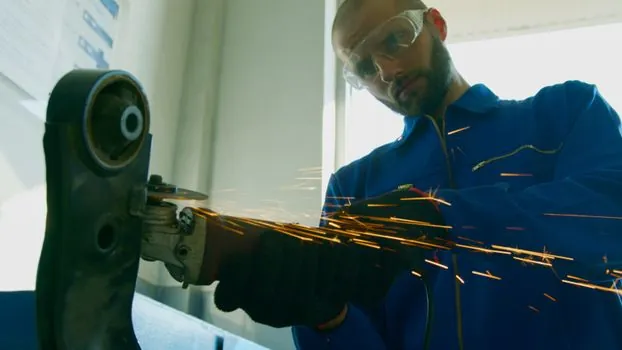
A hand oxy-fuel torch can cut 2 in steel, but the operation is slow and suited to relatively short or intermittent work. Operators handling approximately 20 linear feet of 2 in plate described a rented tractor torch as a practical option, with a track torch preferred for a long cut [S4].
Plasma is a separate equipment decision, not a cutting-tip substitution. Waterjet is another alternative when the plate is at a steel yard or when precision and heat-affected-zone control justify outsourcing [S4].
For occasional straight cuts, a cutting machine may provide better control than a freehand torch.
Setting pressures and maintaining tip condition
After selecting the tip, set oxygen and fuel-gas pressures to the applicable chart, light the torch, and adjust the neutral flame before introducing the cutting oxygen [S2]. For the Victor 1-101 size 3 reference at 2 in mild steel, the chart gives 40–45 psig cutting oxygen, 210–225 SCFH cutting-oxygen flow, and 12–15 SCFH acetylene flow [S5].
Do not confuse regulator pressure with gas consumption. The Victor catalogue separates cutting-oxygen flow and acetylene flow from regulator pressure, and its 2 in figures were recorded with 25 ft of 1/4 in hose and regulator measurement [S5]. Equipment capacity, hose condition, and supply pressure must still be verified before operation.
A damaged center oxygen orifice cannot deliver the concentrated stream required for a narrow kerf. A dirty or scratched seating surface can cause gas leakage or poor flame performance [S1]. Replace a tip with a damaged orifice, distorted seat, or blocked preheat holes rather than compensating with excess pressure.
Preheat, travel speed, and cut quality
For 2 in plate, preheat is a process control, not an optional finishing step. On 50.8 mm plate, failure to establish uniform ignition temperature can produce a rough kerf, excessive slag, poor travel speed, and unnecessary oxygen consumption [S1].
Maintain a consistent travel speed and keep the torch stable. A straightedge or mechanical guide helps with long, straight cuts, while a track torch is preferable for a full-length cut [S4]. If the torch stalls, the cut oxidizes unevenly, or slag accumulates, first check tip condition, flame adjustment, preheat coverage, and oxygen flow before changing tip size.
Which cutting method fits the job?
An oxy-fuel cutting tip is the right choice when a compatible torch, suitable fuel supply, and controllable preheat are available and the cut volume does not justify powered equipment. The tip must match the exact torch family and the plate grade; the Victor acetylene size 3 entry applies to mild steel under the listed test conditions [S5].
This method is not the best fit for a long production cut where straightness, repeatability, and labor time dominate. A track torch becomes more appropriate as cut length increases, while a powered plasma or waterjet system can offer a different balance of speed, precision, and operating cost [S4].
Before ordering, record three items: the torch make and model, the fuel gas, and the exact plate thickness. If the work exceeds roughly 20 linear feet, also record whether the geometry is one long cut or multiple short cuts because that changes the comparison between a hand torch and a track-guided system [S4].
For Victor 1-101 acetylene equipment, the first selection is size 3 for 2 in mild steel, followed by confirmation of the complete torch configuration and a 40–45 psig cutting-oxygen reference under the catalogue conditions [S5]. For any other torch family, use its published chart rather than transferring the number or pressure from Victor [S5].