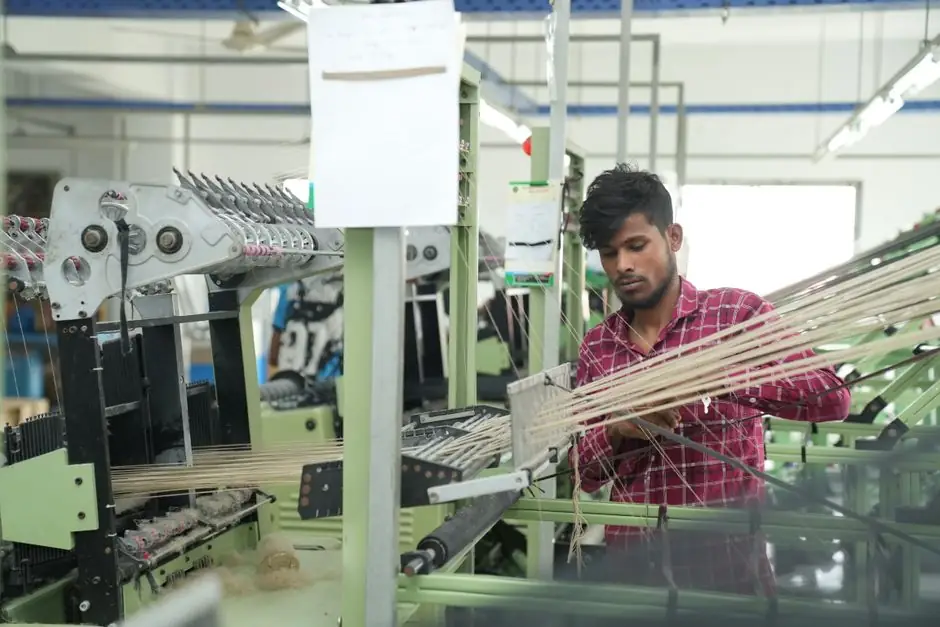
A standard high-speed roll-threading machine handles rebar in the 16mm to 40mm diameter range, while heavy-duty chaser units extend capacity for larger bars and harder TMT grades [S1][S3].
For masonry crews, the relevant spec window narrows: 12mm to 32mm bars dominate wall, column, and beam-cage work, so a 4.0 kW portable rolling head with an integrated rib-stripping stage covers roughly 90% of field splices [S3].
How a Rebar Threading Machine Actually Works on Site
Industrial rebar threading relies on a two-stage sequence: rib-stripping (peeling the transverse and longitudinal ribs off the bar end to expose a clean cylindrical surface) followed by thread-rolling, where dies deform the steel into a uniform thread profile without cutting chips [S1]. Because the surface ribs would destroy a standard die and produce inconsistent threads, the stripping stage is not optional, it is the step that lets a rolling die engage correctly [S1].
The 4.0 kW YGS-40F class machine, weighing about 400 kg with a 72 r/min spindle and 80 mm maximum thread length, completes stripping and rolling in a single clamping, finishing one joint in roughly one minute at site conditions [S3]. Compared with hand-tying lap splices, the rolling process is reported to lift tensile strength by 20-30%, fatigue strength by 40-60%, and corrosion resistance by 50-200% on the threaded section [S3].
Machine Types: Roll-Threading vs Chaser vs Cold Extrusion
For masonry splice work the realistic field options are roll-threading (the most common portable unit), chaser-threading (heavier, for 32mm+ bars and high-yield TMT), and cold-extrusion couplers, which need no thread cutting at all but require a different hydraulic tool [S1][S5].
A practical side-by-side for crews choosing between them looks like this:
- Roll-threading machine: 16-40mm bar range, 4.0 kW class, ~400 kg, one joint per minute, threads produced by plastic deformation, no chips, higher joint fatigue [S3].
- Chaser machine: broader diameter range above 32mm, slower cycle, cuts a true thread profile, preferred on Grade 500/550 TMT and heavy civil splices [S1].
- Cold-extrusion coupler: no thread cut on the bar, uses a hydraulic press to swage a sleeve over the lap, but adds a sleeve material cost and a separate tool inventory [S5].
Masonry and light-commercial rebar typically sits at the lower end of that range, so a roll-rolling unit is the default, with chaser machines reserved for starter bars tying into pile caps or into rebar couplers on adjacent structural pours.
Sizing the Machine to the Bar Diameter You Actually Use
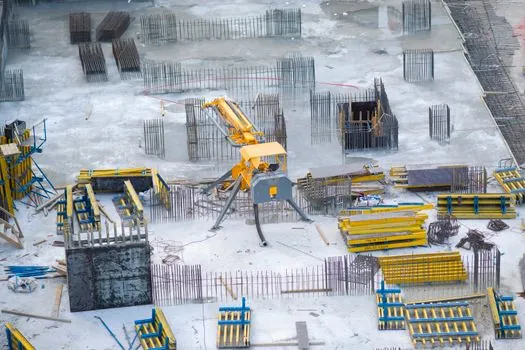
Most masonry-grade rebar is supplied in 8mm, 10mm, 12mm, 16mm, 20mm, and 25mm diameters, with 32mm used in beam-column joints and boundary elements. The 16-40mm working window of a standard roll-rolling head therefore overshoots on the low end and under-reaches on the upper end for some cold-rolled chaser units [S1][S3].
For crews that almost never thread anything above 25mm, downsizing to a 12-32mm head saves weight and floor space; for crews that regularly splice 32mm boundary-element bars, the heavier 16-40mm class is the safer minimum. The smallest diameters (8-12mm) are usually handled by a separate rebar cutter and then tied, because rolling threads on such thin bars delivers little fatigue benefit relative to the cycle time cost.
Power, Weight, and Site Logistics
The reference YGS-40F draws 4.0 kW from a three-phase 380V 50Hz supply, spins the work head at 72 r/min, and weighs 400 kg, which is borderline for a one-person lift into a scaffold bay but tractable on a slab with a dolly or a small crane [S3].
On masonry sites with only single-phase 220V available, a 2.2-3.0 kW single-phase head is more common, at the cost of a longer cycle per joint. Before specifying, confirm three things: the supply phase and voltage at the tie-in point, the maximum bar length that can be fed through the head (typically 80 mm of thread, so a 20mm bar needs about 250-300 mm of clear end), and the cooling-water or cutting-fluid reservoir capacity if the machine is chaser-based. None of these are optional, a crew that skips the supply check ends up renting a generator.
Who Should Use a Threading Machine, and Who Should Not
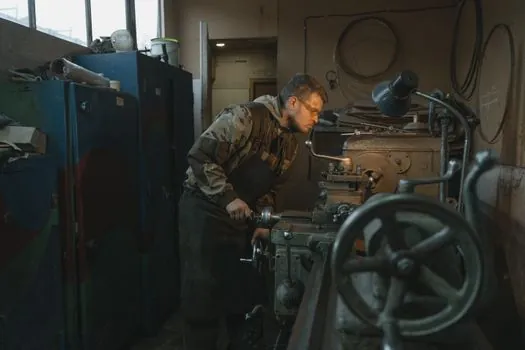
Rebar threading is the right answer for crews doing more than about 200 mechanical splices per project, for any splice where lap length would crowd the rebar cage, and for starter-bar splices into existing columns or pile caps where congestion is already a problem [S1][S4].
It is the wrong answer for one-off residential tie-ins, for 8-10mm ligatures and stirrups (use a rebar bender plus tie wire), and for emergency night-shift splices where nobody on site has been trained to set the rolling dies. Cold-extrusion couplers win when the bar is short and access is poor, because the swage tool does not need a 300 mm clear run-out past the bar end [S5].
Sourcing, Standards, and Common Failure Modes
Industrial rebar threading for projects requiring mechanical splices is covered by ACI 318 Chapter 25 and by ISO 15835 for coupler performance, and most Indian, Gulf, and Southeast Asian masonry specs reference these by name [S1]. Threaded rebar itself falls under the same rebar standards as the parent bar (ASTM A615, BS 4449, IS 1786 for the grades themselves; see the rebar grade reference) and the splice assembly is typically qualified as a Type 2 connection under ACI 318 [S1].
Three failure modes show up over and over on masonry sites: under-stripping (the rolling die rides up on a remaining rib and produces a shallow, half-moon thread), over-rolling (the thread root is pushed below the core diameter, weakening the bar), and mismatched coupler thread pitch between the threading machine and the supplied couplers. The fix in all three is the same: a go/no-go ring gauge on every threaded end before the coupler is run on, and a single calibrated die set per machine, not a mixed inventory. For crews also cutting and bending on the same site, a coordinated rebar bender and cutter setup keeps the bar end straight enough that the rolling head does not have to chase a bent tip.
The signal worth tracking next: coupler-thread standardization is moving toward a single pitch family across the 12-40mm range in several Middle Eastern specifications, which would let a 4.0 kW class roll-rolling head cover a full masonry package without die changes. Until that lands, crews should match die pitch to the specific coupler brand on the project's approved-products list before the machine is delivered to site.
Related analysis: Sander Selection for Bridge Construction: Substrate, Span and Spec Map.