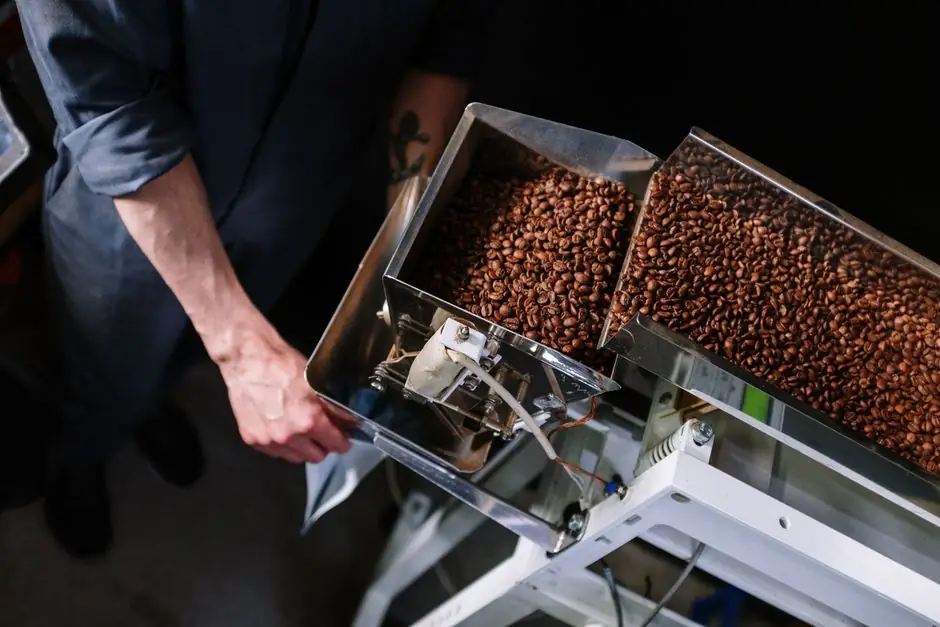
Place a coding machine downstream of the case packer when the code belongs to the shipping case, because the packer forms, loads, and closes the corrugated case before the case reaches the coder [S1][S4].
The coding machine belongs at the final case-handling stage for lot, date, serial, or shipment identification, while the case packing machine performs the physical secondary-packaging sequence.
Choose the Position by Code Target
For an outer shipping-case code, install the coder after case closing. A case packer may erect or present a case, load products, fold the top flaps, and seal the case; a downstream coder then marks the closed surface without obstructing those operations [S1][S4].
For an inner-carton or individual-product code, place the coder upstream of the case packer. A packaging line connects several machines, while each coding machine performs one defined operation, so the code must be applied before the product enters the grouped shipping case [S6].
Do not assign one machine both functions without verifying the sequence. Product-code and case-code systems have different substrates, targets, inspection requirements, and failure consequences. The practical decision is therefore based on which object carries the code and whether the identifier must survive grouping, loading, and case closure.
Compare Three Placement Architectures
Downstream case coding provides the cleanest separation for finished-case identification: case packing completes loading and sealing, then the coder applies the code to the closed case. It suits cases whose final exterior must remain traceable for shipment, but it needs sufficient conveyor length after sealing and a stable coded surface [S1].
Upstream product coding places the coder before grouping. It suits unique product or inner-carton identification when that identifier must be linked to the finished case, but it requires that the marked item survives orientation changes, robotic handling, and case loading without obscuring the code [S1][S6].
Product coding and finished-case coding have different failure modes, so they should not be treated as interchangeable checkpoints.
Sequence Against the Case Packing Functions
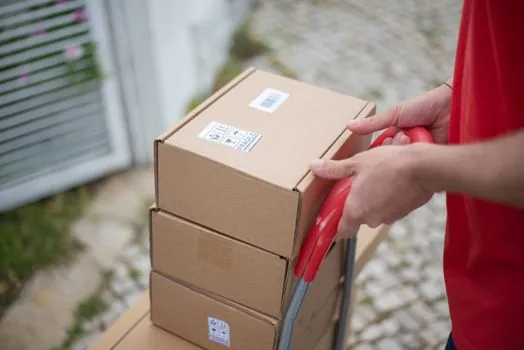
A complete case-packing sequence can include organizing products, presenting or erecting cases, loading a defined pack pattern, sealing, and transferring the case to the next operation. Coding must fit into that sequence without creating uncontrolled accumulation between machines [S1].
Top-load products are typically loaded into a standard RSC case through its open top flaps, while top-load, side-load, and bottom-load are identified as three main case-packing technologies. Case packers may load products by top loading, robotic pick-and-place, drop loading, or another engineered approach. The coder location changes with each method because the accessible code surface and available settling distance differ.
Case erectors convert flat corrugated blanks into formed boxes, tray formers create open-top trays, and loaders arrange products within them. Sealers close cases with tape or adhesive. For a code printed on the shipping case, the default placement is after sealing; for a code on the product or inner carton, it is before loading [S3][S4].
Match Coding to Product and Case Risk
Use upstream coding for flexible bags, bottles, jars, clamshells, tubs, and other rigid or semi-rigid packaged products when unit-level identity is required. These product classes are among the documented application ranges for automatic case packing, but their shape, stability, weight, orientation, and packaging material determine the loading method [S1].
Use downstream coding when the code is applied to the completed shipping case for case-level traceability, lot marking, date coding, or shipping identification. The closed-case arrangement avoids smearing the code during loading and removes the need to maintain a marked product position through robotic placement or push loading [S1][S4].
The inspection point should match the coded object and occur before palletizing or other downstream handling [S1].
Design for Rate, Changeover, and Controls
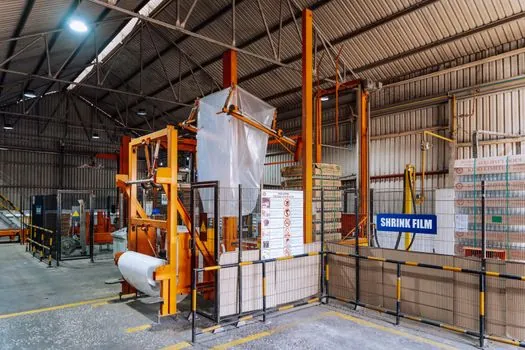
Size the coding and conveying system from the measured case rate, not nominal product rate. Case packing is driven by incoming orientation, spacing, grouping, product count, case dimensions, pack pattern, and required changeovers; a coder that cannot maintain synchronization at the accepted case rate becomes the line constraint [S1].
Allow manual recovery only where product risk permits it. Wrap-around packaging machines are fully automated, whereas case packers using pre-formed RSC or similar cartons can be fully automated or semiautomated. This distinction affects where a coder should sit and how line stoppages are handled [S2].
Choose RSC, Wrap-Around, or Integrated Handling
For standard reusable or manually recoverable cases, an RSC case packer is the practical choice where operators can load cases during a stoppage. Its case is pre-formed and the product is not held in a tight fit, so outer-case coding can be performed after sealing without depending on wrap-around geometry [S2].
For snug product fit, compact equipment, and shelf-ready presentation, a wrap-around machine uses die-cut sheet, hot-melt sealing, and a one-piece case architecture. A downstream coder remains appropriate for case identification, while upstream coding would need to withstand the loading and wrapping sequence [S2].
For frequent pack-pattern changes or mixed case requirements, a robotic top-load system may be more flexible than a side-load pusher. Side loading suits stable rectangular products, top loading handles flexible and rigid products, and bottom loading supports fragile or unstable groups. These handling differences can outweigh a small change in coding distance [S1][S3][S5].
Apply the Placement Decision Checklist
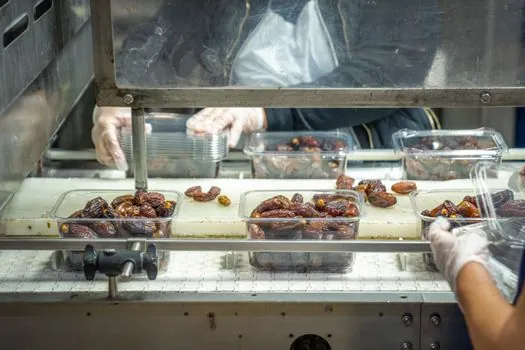
Specify the code object first: finished shipping case, tray, inner carton, or individual package. Then specify the placement rule: code the closed shipping case downstream of case packing, or code the item before case loading. This avoids the common error of placing a coder where it cannot reach the intended surface [S1][S6].
Confirm the line sequence with a simulated pack pattern, case dimensions, product dimensions, and target code content. Validate case squareness, tape or adhesive closure, marking location, readability, and reject behavior as one process. For additional context on coding performance, evaluate Coding Machine Speed for 120-Pack Lines against the accepted case rate rather than nominal machine capacity.
Track two engineering signals during commissioning: synchronization losses between the packer and coder, and the frequency of unreadable or incorrectly positioned codes by package type. Any increase in either signal points to product presentation, accumulation control, code-surface variation, or recipe synchronization rather than the placement decision alone [S1][S3].