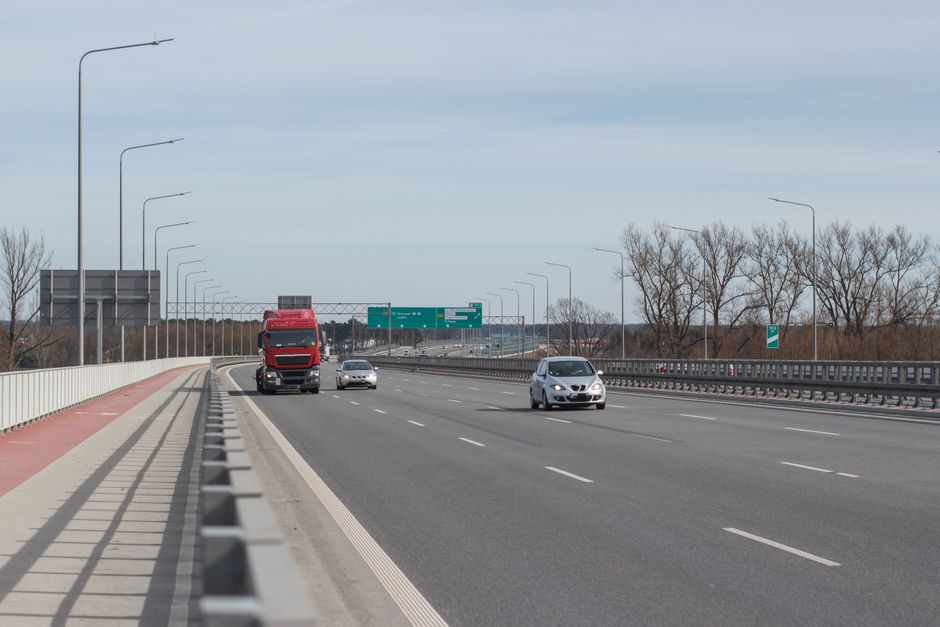
A truck-mounted concrete mixer carries 5–15 m³ of plastic concrete and keeps it workable through drum rotation, replacing on-site batching for most civil and infrastructure pours. The DirectIndustry 2026 product index lists 57 mixer-truck models across 22 manufacturers, with 10 from SANY, 6 from CIFA, 4 from Normet, and 4 from Shandong Hengwang [S5].
Standard road models span 5–12 m³, with the CIFA HD series pushing to 15 m³ and the SEMIX SM9 staying within a 7–12 m³ window [S1][S3]. Output rates on hydraulic units reach 560 l/min on the CIFA HD7–HD15 [S3], while the SANY SY306C-8(R) diesel variant delivers a 6 m³ drum at 5 m³/min charge/discharge throughput [S4]. Underground-rated units such as the EMSUNTOUR SM5 drop to 4–6 m³ to clear low mine back [S2].
Drum and Agitation Mechanics: Why Rotation Rate Matters
Concrete mixer trucks are in-transit mixers that maintain workability by agitating the load at 2–6 rpm throughout the haul [S7]. Speed is the control variable: too slow and the aggregate segregates, too fast and the mix heats and slumps. The CIFA HD series pairs a hydraulic drive with a high-torque reducer and wear-protected helical blades to keep the 7–15 m³ charge in spec under heavy-duty cycles [S3].
Continuous rotation during transport is what differentiates a mixer truck from a simple dump truck with a bed; without agitation, plastic concrete begins its set the moment water touches cement, and placement quality collapses within roughly 90 minutes of batching. The SANY SY306C-8(R) datasheet treats "panoramic monitoring" and exhaust-valve braking as core driver aids, reducing braking distance by 15% and brake-lining wear by 50% — both of which matter when a 6 m³ load is the kinetic mass behind the cab [S4].
Capacity vs Road-Tonnage: The Payload Trade-Off
SEMIX builds its SM9 with SSAB Swedish steels to keep the 7–12 m³ drum below national road-tonnage thresholds — the entire pitch is "carry 7–12 m³ without facing any road tonnage laws" [S1]. That single engineering constraint explains why most highway-legal trucks cap at 12 m³ even when the chassis could physically accept more: legal GVW, not drum geometry, sets the limit.
The CIFA HD12+ and HD15 are the outliers, requiring heavier chassis and special-route permits to move 12 m³ and 15 m³ respectively. The HD series compensates with a 1200-litre water tank on HD12+/HD15 versus 800 l on HD7–HD10, plus a water meter and dual zinc-coated charging/discharging chutes for fast turnaround on large pours [S3]. Output on these units is rated at 560 l/min through a hydraulic pump, which the spec sheet couples to an adjustable pump support for tuning charge and discharge curves [S3].
Drivetrain Options: Hydraulic vs Diesel vs PTO
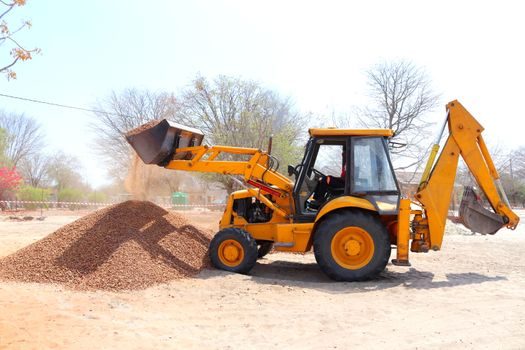
Three drive configurations dominate the 2026 catalogue. Hydraulic motor drives (SEMIX SM9, CIFA HD series) take power from a PTO or auxiliary engine and offer stepless drum-speed control, which is the better fit when mix-design and haul-time vary [S1][S3]. Diesel direct drives (SANY SY306C-8(R), EMSUNTOUR SM5) couple the drum to the truck's own engine through a transfer case — simpler plumbing, fewer leak points, but drum speed tracks engine rpm unless a separate hydraulic loop is added [S2][S4].
SEMIX offers both PTO and auxiliary diesel options on the same SM9 drum, letting buyers pick between fuel-economy-optimised PTO operation on short hauls and standalone engine drive on chassis that cannot spare PTO hours [S1]. For an underground application the calculus flips: the EMSUNTOUR SM5 needs a dedicated low-height diesel so it can pass through mine entries, with the chassis accepting personnel-carrier and tanker attachments for utilisation outside concrete windows [S2].
Advantages in Field Use
Centralised batching plus in-transit agitation delivers four measurable field benefits. First, pour throughput: a single 12 m³ truck replaces roughly 30 mixer-loads of site batching at a fraction of the labour cost. Second, mix consistency: hydraulic drives like the CIFA HD hold drum speed within tight bands, giving the placer a predictable slump at the chute [S3]. Third, quality control: by batching at a plant with calibrated concrete pump truck feed, water-cement ratio is locked in rather than guessed at the slab.
Fourth, ergonomic and safety gains: the SANY SY306C-8(R) cites a 15% reduction in braking distance and 50% lower brake-lining wear through exhaust-valve braking, plus panoramic camera monitoring as a driver-aid option [S4]. CIFA's HD series adds wear plates on the charging hopper, a drum antirebound device, and two safety drum-locking systems with two manholes for cleaning access [S3]. For related on-site equipment options, the spec map for concrete mixer truck classifications lines capacity, drivetrain, and use-case up in a comparable format.
Disadvantages and Failure Modes
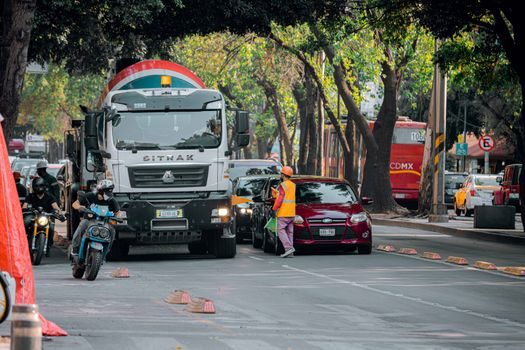
Mixer-truck drawbacks cluster around three constraints. Dead-weight penalty: a 12 m³ drum plus chassis weighs 14–18 tonnes empty, so fuel and tyre cost per delivered cubic metre is high on short hauls. Time pressure: even at continuous agitation, concrete sets, which caps practical haul time at roughly 90 minutes and rules out long-distance rural work [S7]. Site access: legal-width, legal-height, and bridge-rating limits mean many job sites — tunnels, basement pours, indoor decks — cannot accept a fully loaded transit mixer and require a truck-mounted concrete pump shuttle instead.
Underground work magnifies the access problem. The EMSUNTOUR SM5's entire reason for existing is the height restriction of mine drifts, with the vehicle engineered for narrow, low-ceilinged environments and direct loading at underground batching points [S2]. Output drops accordingly: 0.7 m³/min (24.7 ft³/min) on the SM5 versus 5 m³/min on the SANY SY306C-8(R) [S2][S4]. Cleanout is another recurring failure mode: residual concrete hardens inside the drum if it is not washed out after each load, which is why CIFA fits two washing nozzles, a water meter, and plastic rear protection designed for easy cleaning [S3].
Selection Criteria: Matching Truck to Pour
Three questions filter the catalogue quickly. What is the legal payload envelope on the haul route? That sets the maximum drum size, generally 12 m³ on standard axles and 15 m³ only with permits and reinforced chassis [S1][S3]. What is the cycle time from batch plant to chute? Beyond ~90 minutes, set risk dominates and a concrete pump truck or on-site remixer is the better answer [S7]. What is the site envelope? Underground, indoor, or bridge-underpass work forces a 4–6 m³ low-height unit such as the EMSUNTOUR SM5 [S2].
A spec-driven comparison for a 6–10 m³ mid-range pour: the SEMIX SM9 (7–12 m³, hydraulic, SSAB steel, PTO or auxiliary diesel) suits highway work where lightweighting matters [S1]; the CIFA HD7–HD10 (7–10 m³, hydraulic, 800 l water tank, 560 l/min output) suits heavy-duty civil sites with high daily cycle counts [S3]; the SANY SY306C-8(R) (6 m³, diesel, exhaust-brake driver aids) suits fleet operators prioritising fuel economy and standard service intervals [S4]. All three keep drum rotation in the 2–6 rpm agitation window that prevents segregation without overheating the mix [S7].
Standards, Sourcing, and Trackable Signals

OEM datasheets for the 2026 model year reference SSAB structural steel, Rexroth/ZF/AKG driveline components, and branded hydraulic pumps, but stop short of naming a single harmonised standard for the drum itself [S1]. SANY's braking claim — 15% shorter stopping distance and 50% lower lining wear through exhaust-valve technology — is a vendor-stated performance number, not a regulated test result, and should be validated against the fleet's own duty cycle [S4]. CIFA's appearance at Intermat 2027 (21–24 April 2027, Paris) is a trackable next signal for HD-series revisions and ENERGYA-series updates [S3]. For buyers comparing mixer trucks with sand mixer units on foundry or pre-cast lines, the sand mixer selection map provides a parallel capacity-versus-throughput framework.