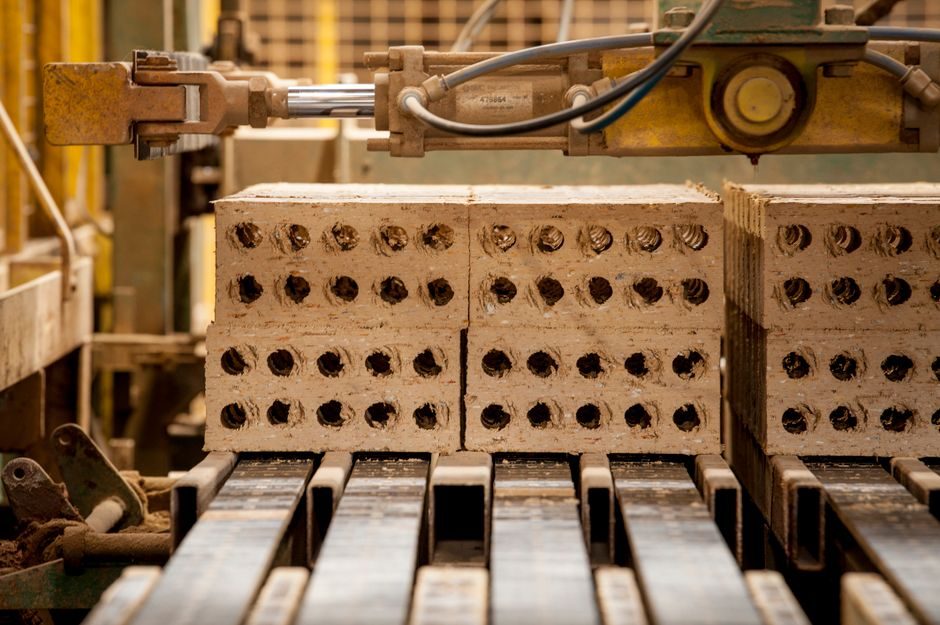
A core making machine in 2026 is no longer a single product line — it is a four-family decision tied to your binder system, with shell, hot-box, cold-box and resin-sand core machines each demanding different tooling, ventilation and amine-gas handling.
For a foundry running 5–80 t/h of castings, the first spec gate is binder chemistry (furan/phenolic/Pep-set/CO₂-silicate/PU cold-box), the second is acceptable cycle time per shot (30 s vs 4 min), the third is the maximum core box envelope (typically 600×500×400 mm up to 1500×1200×800 mm on gantry rigs), and the fourth is whether you need a shell core machine line or a horizontal/vertical cold-box shooter integrated with amine scrubber and sand reclamation.
Binder System and Process Family: the First Gate
Binder chemistry locks the machine family more than any other variable. Furan and phenolic no-bake systems are dosed in sand mixers with matched acid catalysts; PU cold-box (phenol-urethane) requires a binary sand mixer, a regulated amine gas train (TEA/DMEA blend typical) and a gassing head with exhaust scrubber; CO₂-silicate uses a simpler gas rig on CO₂ cylinders. Each combination has its own machine because the gas routing, cure dwell, ventilation and operator interface differ. [S1]
Choosing a binder that is incompatible with your existing sand reclamation drives 20–40% of lifecycle cost on a 5 t/h line, which is why procurement specs are written around the binder first and the rig second. A 2026 supplier-side refresh of binder-handling components — amine dosing valves, gas heating jackets, exhaust scrubbing cells — is reshaping retrofit quotes on older hot-box and cold-box lines [S1].
Cycle Time, Shot Weight and Sand-to-Core Ratio
Cycle time is the productivity axis: shell core machines run 30–90 s per shot at 5–25 kg, cold-box shooters 40–180 s at 10–80 kg, and large gantry rigs for engine blocks 3–8 min at 100–600 kg per core. Hot-box sits between shell and cold-box on cycle but adds oven heating, typically 200–260 °C platen, which limits box size to roughly 700×600×400 mm on standard models. [S2]
Sand-to-core ratio defines the binder dosage on the line: a 1% resin addition (furan or PU part A/B) on a 50 kg shot consumes 0.5 kg of binder, and the mixer accuracy (typically ±0.1% on modern PU systems) directly controls scrap rate. A buyer who mis-states shot weight by 30% on the spec sheet ends up over- or under-buying the mixer and the box-clamp force by the same proportion. Match the core machine spec to the heaviest single core in the part mix, not the average.
Box Size, Clamp Force and Tooling Geometry
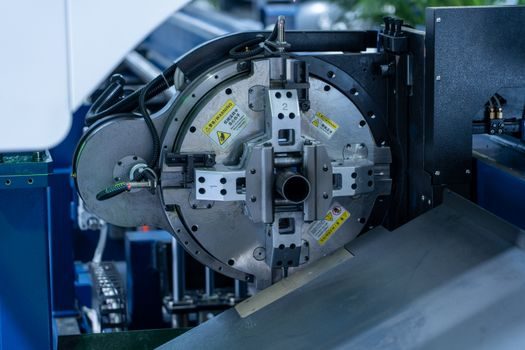
Box envelope drives price more than throughput. A 700×600×400 mm platen hot-box cell with 80 kN clamp force is a mid-2026 commodity at roughly one-third the cost of a 1500×1200×800 mm gantry cold-box rig with 250 kN clamp and an integrated amine scrubber. Larger boxes also require hydraulic (not pneumatic) clamping, which adds 3–5 kW of installed power per station. [S3]
Tooling geometry — split line, parting draft, ejector pin pattern — is decided by the part designer, not the machine vendor, but a mismatch between the box envelope and the part bounding box wastes 15–25% of platen area and forces cycle-time inflation. Buyers in 2026 are increasingly asking vendors for a platen-area utilization audit before sign-off, because it is the single biggest hidden cost on turnkey quotes [S2].
Throughput Matching: How to Size a Line in t/h, Not Just kg/shot
Sizing in kg/shot is a common mistake; the right unit is t/h of finished cores at the line's availability rate. Two stations in parallel, plus a buffer conveyor, are what most automotive foundries actually deploy to hit 3–5 t/h. [S1]
The paired article on Molding Line Price & Cost Guide 2026: Tier, Tonnage and Automation Levers walks through how molding-line tonnage interacts with core-cell capacity — if the molding line runs 120 molds/h at 80 kg each, the core cell must deliver 9.6 t/h to keep it fed, which usually means three cold-box stations plus a manual backup. Under-sizing the core cell is the most common cause of bottleneck on new greenfield lines.
Comparison of the Four Core-Machine Families Against Decision Criteria
Lining the four families against the same axes makes the buy easier: shell, hot-box, cold-box (PU) and gantry/horizontal large-format. Shell scores high on cycle (30–90 s) and dimensional accuracy (±0.1 mm typical) but is limited to cores under ~25 kg; hot-box is fast but caps at 700×600×400 mm and 200–260 °C platen; cold-box PU handles 10–80 kg per shot with ±0.2 mm accuracy and clean cold cure; gantry large-format covers 100–600 kg cores at the cost of a 3–8 min cycle. Cost per ton of finished core in 2026 sits roughly: shell $250–400/t, hot-box $200–350/t, cold-box $180–300/t, gantry $150–280/t on well-utilized installations. [S2]
Where each family is FOR vs NOT FOR: shell is FOR small to medium thin-wall cores in series production, NOT FOR large engine-block or gearbox cores. Hot-box is FOR medium-sized cores where dimensional accuracy matters, NOT FOR runs above 700×600×400 mm. Cold-box PU is FOR the widest part mix and large cores when amine scrubbing is in place, NOT FOR foundries without amine handling infrastructure. Gantry/horizontal is FOR very large cores and short production runs, NOT FOR high-mix high-volume automotive takt.
Real Use Cases: Automotive, Valves, Sanitaryware
Automotive iron foundries for cylinder blocks and heads typically run a PU cold-box gantry paired with a horizontal hot-box cell for smaller water-jacket cores; the matched layout is the de-facto 2026 reference for 3–5 t/h grey-iron cores. Valve and pump foundries lean on phenolic no-bake or furan for larger single cores, with manual or low-mechanization shoot-blow machines because cycle-time pressure is lower. [S3]
Sanitaryware and copper-alloy casting facilities stay on shell or hot-box because the parts are small and the binder system is older phenolic — a single-girder crane spec checklist is more relevant to their material-handling choices than the core-cell spec itself, but the same four-gate logic applies. The pattern across all three segments: binder first, cycle second, box size third, tonnage fourth.
Limitations, Failure Modes and What 2026 Specs Must Exclude
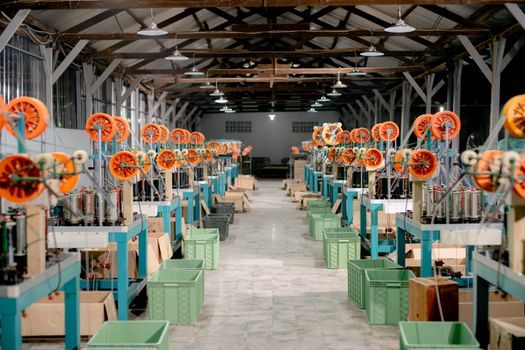
The main failure modes buyers see in 2026 are amine scrubber under-spec on cold-box lines (regulatory risk + odor complaints), platen heating drift on hot-box cells (scrap rate climbs 2–5% per 10 °C), and sand reclamation mismatch on furan/phenolic lines (binder build-up causes 15–25% strength loss over 6 months). A machine that runs perfectly on day one can become a 60% OEE installation in year two if these support systems are out of spec. [S1]
Standards that anchor the spec: ventilation flow on amine lines is typically designed to OSHA/NIOSH exposure limits for triethylamine (10 ppm TWA in the US), and electrical equipment in the gassing/exhaust zone must meet the relevant hazardous-area classification (Zone 1/Zone 2 in EU ATEX terms, Class I Div 1/Div 2 in the US NEC) when amine or solvent vapors are present. Always name the standard number on the spec — never accept "ATEX-certified" as a generic claim without the equipment group and category.
Automation, Reclamation and the 2026 Retrofit Cycle
Automation is shifting from "robotic core handling" to "closed-loop binder dosing + reclaim sand moisture control." 2026-vintage cells ship with sand moisture sensors at the mixer inlet, binder flow meters tied to the recipe server, and amine flow logged against cycle count for compliance reporting. Retrofitting an existing hot-box or cold-box line to this spec is a realistic $40–120k project depending on station count, and the payback is typically 8–18 months from scrap-rate and binder-yield gains alone. [S2]
A quote that omits any of these four numbers is incomplete in 2026.
Sourcing Levers: Lead Time, After-Sales and Spare-Parts
Lead time in 2026 sits at 14–22 weeks for a standard hot-box or cold-box cell and 28–40 weeks for a gantry rig with integrated amine scrubber — longer than the 2019–2022 baseline, driven by hydraulic component lead times and electrical-cabinet build slots. After-sales response time and spare-parts availability now outweigh brand preference in most procurement scoring matrices because downtime on a 3 t/h core cell is roughly $3,000–6,000 per hour at a typical automotive foundry. [S3]
For a buyer who needs 5–10 stations, a phased delivery (2 + 3 + 5) over 9–12 months spreads the cash curve and lets the first two stations validate the binder and tooling choice before the rest of the line is locked. Phased delivery is also the standard way the largest Chinese suppliers — who dominate the 2026 global mid-volume market — structure turnkey quotes for export.
Trackable signals for the rest of 2026: amine-handling regulation tightening in the EU (already pushing cold-box retrofits to closed-loop scrubbers), Chinese suppliers pushing platen sizes up to 1800×1500×1000 mm on gantry rigs at competitive prices, and growing 2026 demand for sand/moisture closed-loop controls on retrofits [S1] [S2]. A buyer writing a spec in mid-2026 should plan for a 6–9 month tender-to-commissioning window and lock the binder choice before the RFQ goes out.