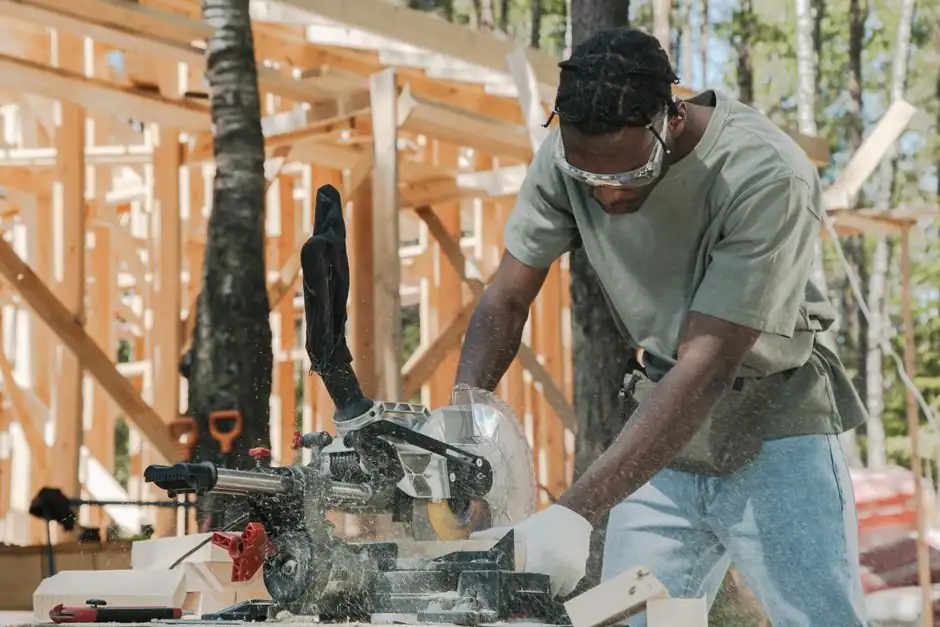
The Milwaukee M18 Fuel 7-1/4-inch saw has a no-load speed of 5,800 rpm, while metal-cutting saws generally use lower RPMs for more efficient metal cutting [S3].
The decision is driven by workpiece material, blade speed, chip management, cut capacity, and guarding, rather than by the fact that both machines use a circular blade [S1][S3].
Metal-Cutting Saw Versus Wood Saw
Wood saws are built for rapid removal of wood fibers, while metal saws are engineered for controlled cutting of steel, stainless steel, and aluminum at lower speed [S4].
Metal cutting generates substantially more heat than wood cutting, so the blade material, tooth spacing, motor capacity, and chip-control arrangement must work together [S3][S4]. A standard circular saw fitted with a metal-cutting blade may perform occasional light work, but it is not the better production choice [S1][S2].
Comparison by Speed, Blade and Chip Control
Metal-cutting saws use lower rotational speeds and closed housings, while wood saws operate at higher speeds for fast cutting [S3][S4].
This comparison is about system suitability, not a simple material label. Speed above the blade’s recommended range increases heating, while an open wood-saw housing gives less control over hot fragments [S3][S4].
Blade Speed and Tooth Design

Metal-cutting circular saws operate at much lower rpm than wood saws because metal cutting generates friction heat that can damage the blade [S4][S6]. The Milwaukee M18 Fuel 7-1/4-inch circular saw is rated at 5,800 rpm, while the Milwaukee FUEL 8-inch metal saw is rated at 4,000 rpm and the smaller metal model at 3,900 rpm [S3].
Metal saws also use smaller blades in many cases. Confirm that the blade diameter, arbor, speed rating, and tool capacity are compatible before operation.
When a Wood Saw Is Acceptable
A wood saw can cut very thin aluminum in limited circumstances, but regular metal use causes accelerated blade wear, reduced accuracy, and greater safety risk [S4]. One workshop account reports using a wood saw with a carbide blade for aluminum, while a dedicated steel saw was preferred because it was heavier, more powerful, and had better guards against thrown hot chips [S5].
The distinction is especially important for steel. Metal-cutting blades on a standard woodworking saw generally have shorter service life, and hot chips become more airborne [S1][S2]. For occasional aluminum work, the workpiece thickness, blade rating, feed rate, and operator protection must still be controlled.
For larger diameters, dedicated low-rpm metal-cutting saws or chop saws are recommended for safety and chip collection [S1].
Cut Capacity, Rigidity and Workholding
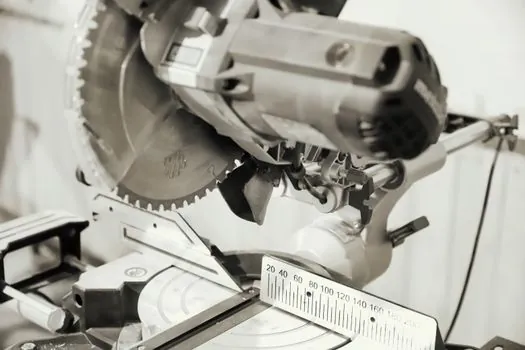
Rigidity matters as much as nominal capacity. Workshop guidance emphasizes a heavier saw, a rigid mounting or guide system, and repeatable passes for straighter cuts [S5]. A metal saw is therefore better suited to regular production work where the workpiece can be supported consistently and chips can be contained at the cut.
The design of the cutting machine should support the material, not force an unrelated woodworking configuration to handle steel. Confirm the workpiece thickness, required cut depth, feed direction, support arrangement, and available chip-clearance space before purchasing.
Safety and Operating Limits
Blade rpm must remain within the saw’s rating, and the same check applies to metal-cutting chop saws [S3]. A metal-cutting blade running above its recommended speed can overheat, while a wood saw’s open housing may not prevent hot shard buildup [S3].
Metal cutting produces hot chips and sparks, so closed housings, effective guards, and a chip collector materially change the risk profile [S3][S5]. Long sleeves and face coverings can reduce exposure to hot chips [S5].
Do not treat a chip collector as permission to neglect guarding. Collection capacity, extraction routing, guard integrity, workpiece support, and access to the cut line determine whether the system controls debris effectively. Stop if the blade binds, heats rapidly, loses alignment, or throws chips outside the intended collection path.
Application-Based Selection
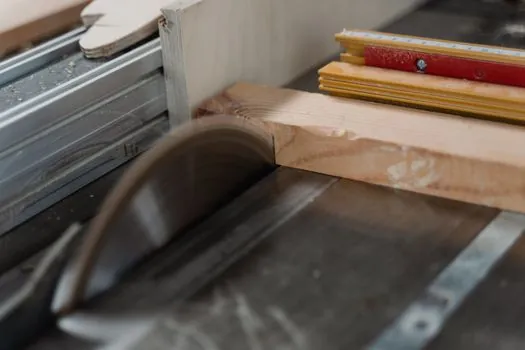
Choose a dedicated metal-cutting circular saw for repeated steel or aluminum work, especially where hot fragments, blade heat, accuracy, and housekeeping matter [S1][S3]. Choose a wood saw for timber, plywood, and engineered boards, where high rpm and rapid chip removal improve productivity [S4].
Choose a low-rpm chop saw or other enclosed metal-cutting system when the workpiece diameter, chip volume, or required capacity exceeds the circular saw’s safe operating range [S1]. For straight, repeatable cuts, bolt the saw to a rigid base or use a reliable guide, support the workpiece, and avoid forcing the cut [S5].
Before purchasing, verify the manufacturer’s blade speed range, approved blade diameter, maximum cut depth, arbor size, material limits, chip-collection arrangement, and guard coverage. These specifications are more useful than the broad label “metal saw,” because they define whether the tool can perform the intended cut without overheating, overloading the motor, or creating an uncontrolled chip hazard.