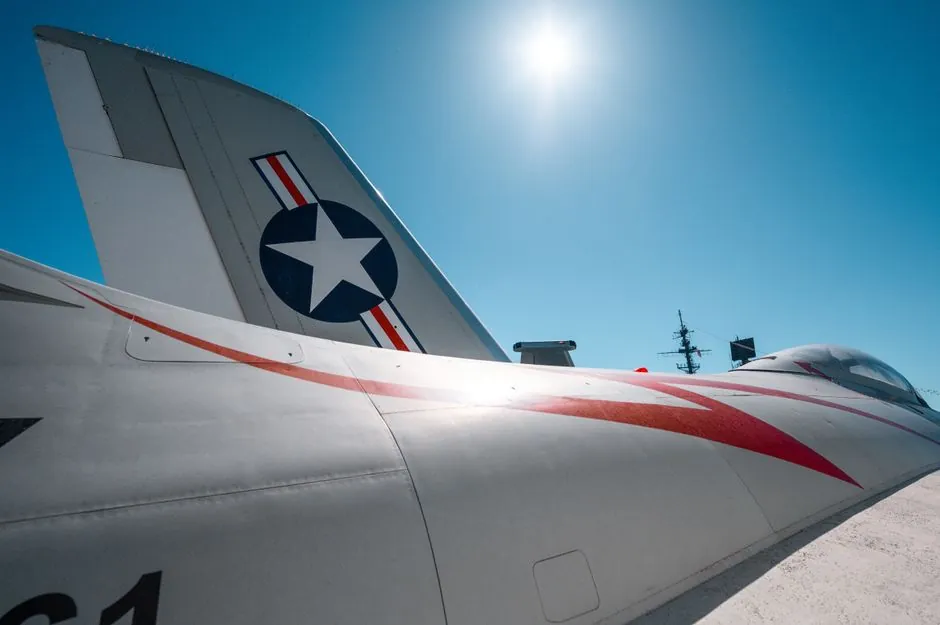
MIL-SPEC defense coating selection in 2026 is governed by a narrow set of qualified specifications: CARC systems under MIL-DTL-53039 for tactical vehicles, MIL-PRF-24712B and MIL-PRF-32348 for powder on aluminum and steel, MIL-DTL-64159 for camouflage topcoats, MIL-DTL-5541 for chemical conversion pretreatment, and MIL-DTL-53022 for the primer stack beneath CARC [S1][S3].
For procurement, the decision frame now spans five axes at once: corrosion class, chemical/biological agent resistance, IR signature, EMI/RFI shielding, and qualification to a specific MIL-PRF or MIL-DTL revision, with ITAR registration required at the applicator level for weapons, radar housings, and autonomous platform work [S2][S3]. Within the industrial coating category, defense is the most specification-locked sub-segment.
CARC System Stack: MIL-DTL-53022 Primer, MIL-DTL-53039 Topcoat
CARC is a two-coat system, not a single product: a MIL-DTL-53022 epoxy primer is applied over pretreated steel or aluminum, then a MIL-DTL-53039 aliphatic polyurethane topcoat delivers chemical agent resistance plus the matte camouflage finish used on all U.S. tactical vehicles [S1].
MIL-DTL-64159 covers camouflage multicolor topcoats applied over the CARC stack, while MIL-DTL-5541 specifies the Class 1A or Class 3 chromate/hexavalent-free conversion coating that must sit beneath the primer on aluminum substrates [S1][S3]. For projects where hexavalent chromium is restricted, MIL-DTL-5541 Class 3 (no-chrome) is the current alternative, though it is not a drop-in replacement for Class 1A on legacy platforms without re-qualification.
Powder vs. Liquid vs. Cerakote for Weapons, Drones, and Enclosures
MIL-PRF-24712B qualifies polyester and epoxy powder on aluminum and steel, and is the default specification for radar housings, military enclosures, and large ground support equipment; applicators such as Select Powder Coating hold MIL-PRF-24712B qualification plus Cerakote certification, with a 30 ft large-part envelope [S3].
Liquid CARC remains mandatory on tactical vehicles because powder cannot match the CARC agent-resistance test profile under MIL-DTL-53039.
For non-CARC liquid work, the industrial coating decision between epoxy, urethane, and acrylic comes down to chemical exposure: epoxy and urethane systems dominate where fuels, solvents, and hydraulic fluid contact is routine, while acrylics are restricted to interior, low-chemical-exposure zones. Cross-referencing a construction-side spec path is useful here, because the same resin logic applies to bridges and tanks: see the industrial coating selection map for construction for the resin-versus-substrate matrix.
Threat-Driven Selection: IR Signature, EMI/RFI, and CBRN

Coating selection for modern platforms is no longer just corrosion-first: defense buyers now evaluate IR signature management, EMI/RFI shielding, anti-static protection for AI compute, and multi-spectrum camouflage as primary criteria alongside agent resistance [S3].
Conductive coatings (nickel-filled epoxy, silver-filled urethane) are applied to enclosures that house RF-sensitive electronics to meet EMI/RFI shielding targets, and the same enclosures typically also need anti-static surface resistivity in the 10^5-10^9 ohm/sq range for AI compute boards. PCB-level conformal coatings sit beneath this enclosure-level decision: acrylic, polyurethane, silicone, and parylene each map to a different threat profile, with silicone dominating high-temperature and UV-exposed avionics and parylene reserved for dense, geometrically tight assemblies where liquid coating cannot reach [S4].
For fire and chemical protection of fixed infrastructure (missile silos, launch pads, command-and-control centers, rocket motor storage), the stack is intumescent fireproofing on structural steel plus a chemical-resistant epoxy or urethane topcoat, qualified to ASTM E119 and UL 1709 for the intumescent layer [S5]. The chemical-resistant topcoat is typically a high-build epoxy Novolac or a urethane at 6-12 mils DFT, and it doubles as the corrosion barrier for any carbon or galvanized steel beneath.
Weapon Barrels: Why Chrome Plating Is Being Replaced
For artillery and other high-cycle weapon systems, legacy hexavalent chrome plating is being displaced by alternative bore coatings, with the procurement decision now sitting alongside barrel life, firing accuracy, environmental compliance, and supply continuity rather than purely material performance [S6].
Conformal Coatings for Military PCBs
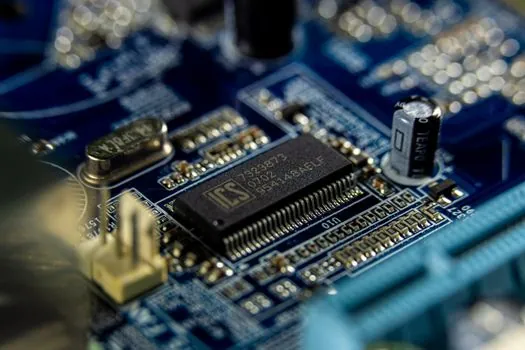
For military electronics, PCB conformal coating is non-negotiable: a U.S. Army study found uncoated PCBs exposed to saltwater mist for 72 hours showed a 30% increase in electrical resistance, and field cases include a ground-vehicle radio that failed after roughly 500 miles of off-road travel from vibration-induced solder cracks [S4].
The four main resin families map to a clear threat matrix: acrylic (solvent-based) for fast, repairable boards with low chemical exposure; polyurethane for fuel and solvent resistance where repairability is secondary; silicone for extreme temperature cycling (typically -40°C to +200°C) and UV exposure; and parylene (CVD-deposited, not liquid-applied) for dense, geometrically tight assemblies needing moisture and chemical barrier at thicknesses of 0.0005-0.002 in [S4]. PCB coating choice also depends on the enclosure's waterproof coating class, since a hermetically sealed enclosure downgrades the coating burden from full barrier to humidity-only.
Quality Gates: MIL-PRF, MIL-DTL, ITAR, and Surface Prep
Defense coating qualification is not a brand decision: it is a spec-and-process decision. The applicator must be qualified to the exact MIL-PRF or MIL-DTL revision, hold ITAR registration for any part that touches weapons, radar, or autonomous platforms, and run documented surface prep, typically SSPC-SP10 near-white metal blast for steel and MIL-DTL-5541 conversion coating for aluminum, before any primer touches the substrate [S1][S3].
DFT (dry film thickness) is checked against the spec window per coat, not as a single combined number: a CARC stack typically targets 0.8-1.2 mils primer plus 1.8-2.2 mils topcoat, while a powder system per MIL-PRF-24712B runs 2.0-4.0 mils depending on the resin. Coating thickness verification uses a calibrated coating thickness gauge, with both magnetic-induction (for steel) and eddy-current (for aluminum) probes in the same kit for mixed-substrate programs.
Limitations and Failure Modes
Coating failures in defense programs cluster around three patterns: surface prep below SSPC-SP10 (the most common cause of premature delamination), hexavalent-chromium replacement programs substituting Class 3 for Class 1A without re-qualifying the full stack, and tight-tolerance bores or threaded interfaces being coated without masking [S3][S4].
Field failure data also points to the edge of repair: liquid-applied conformal coatings can be stripped and reworked, but parylene cannot, so any reworkable military board is almost never specified in parylene. Powder coating on a worn or out-of-tolerance part cannot be brought back to spec by recoating; the part is stripped chemically and rebuilt, which is why pre-coating dimensional inspection matters more in MIL-PRF-24712B programs than in liquid CARC.
The verifiable next nodes to track in late 2026 are: revision activity on MIL-PRF-32348 (currently the powder qualification spec for autonomous platforms), the rate at which Class 1A MIL-DTL-5541 is being formally replaced by Class 3 in new-platform flow-down documents, and any published change to ASTM E119 or UL 1709 acceptance criteria for intumescent fireproofing on launch-facility steel.