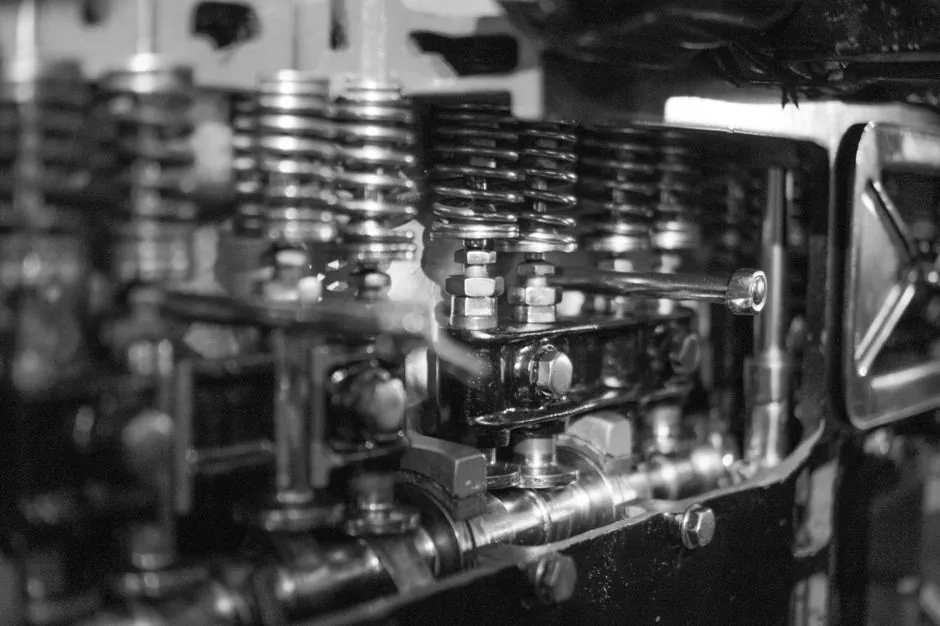
For a large automotive structural casting, specify a cold-chamber high-pressure die casting machine by projected die area, aluminum shot weight, injection pressure, and tie-bar clearance, with the machine selected after die simulation.
Die casting uses high-pressure injection into reusable steel dies to produce complex, tight-tolerance metal parts at high volume.
Define the casting and process envelope
Automotive die casting injects molten metal into hardened steel dies at approximately 10–175 MPa, followed by pressure holding, solidification, die opening, and ejection [S2]. That cycle suits complex, near-net-shape parts with repeated geometry and smooth as-cast surfaces [S1].
For a large structural component, the machine envelope must cover the complete closed die, projected casting area, gating system, shot sleeve, and shot weight. A machine’s nominal clamping tonnage does not prove that the die fits: die dimensions are constrained by platen width, height, tie-bar spacing, daylight opening, and ejector-stroke requirements [S3].
Aluminum is the normal baseline for large automotive structures because it combines low density with mechanical performance and recyclability [S2]. Hot-chamber machines are normally reserved for zinc, magnesium, lead, and tin alloys, whereas a cold chamber die casting machine accepts ladled aluminum and higher-melting-point alloys [S1][S4].
Match four sizing criteria, not tonnage alone
Clamping force, die area, shot weight, and injection performance form the primary selection set. Locking force resists cavity-opening force during filling; shot capacity must cover the aluminum charge including runners; die-area limits control the physical tool envelope; and the injection unit must reproduce the required pressure and velocity profile [S1][S3][S5].
Machine size is classified by locking tonnage, so an 800-ton machine has 800 tons of nominal locking capacity [S3]. Available shot weight is not fixed by tonnage alone: changing shot-sleeve and plunger dimensions can give each frame a lower-to-upper shot range [S3].
Compare the credible machine routes
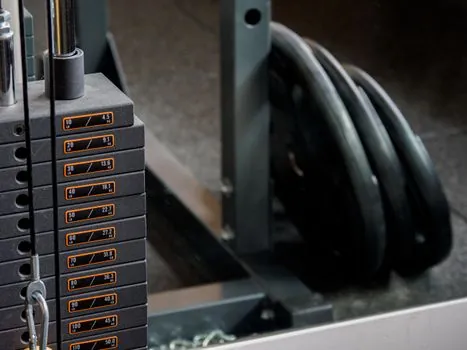
Cold-chamber HPDC is the default route for a large aluminum structural casting because it separates the molten-metal furnace from the injection hydraulics and supports the high filling forces associated with thin, extensive geometry [S1][S4]. Its disadvantages are capital cost, die expense, and the need to control air, oxide inclusions, and solidification across a large cavity.
Vacuum-assisted HPDC can address gas porosity in demanding structural parts, while low-pressure die casting provides controlled filling and solidification for thicker components such as wheels [S2]. A gravity die casting machine uses gravity rather than high injection pressure and suits thicker, lower-volume parts, but it does not match HPDC for thin walls or rapid repetition [S4].
Machine specifications vary by brand, year, and manufacturer, so the published size chart should be treated as a basic reference when selecting a machine based on die size and shot weight. These are screening ranges, not a substitute for die calculations.
Control output, solidification, and machine utilization
For structural castings, cooling time rises with casting mass and section thickness, so the small-part cycle example should not be transferred directly. Actual output requires the die maker’s or simulation-based estimate for cavity solidification, number of cavities, and added handling operations [S3]. The use die casting dry cycle time for output estimation approach separates machine motion from metallurgy so capacity is not overstated.
For a multi-variant automotive program, standardize the machine platform, tie-bar spacing, platen dimensions, and automation interface before comparing suppliers, but avoid buying a large frame that penalizes changeover and idle time for smaller parts [S5].
Protect die life, safety, and structural quality
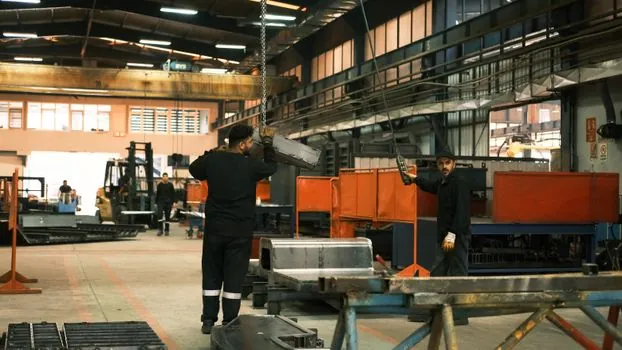
Select the alloy, die material, lubrication, mold temperature, venting, and internal gating as one process package rather than evaluating the machine in isolation. The casting simulation must predict fill, weld lines, gas entrapment, hot spots, shrinkage, and residual stress before the steel die is cut [S3][S5].
Vacuum-assisted HPDC is worth considering when internal integrity is more demanding than conventional venting can deliver, but it adds vacuum-system complexity and process control. Low-pressure casting offers slower, pressure-controlled filling for thicker sections, yet large integrated automotive structures are more naturally aligned with high-pressure filling [S2].
Machine selection should include a margin in performance, operating parameters, efficiency, and safety, supported by measurable yield, productivity, failure rate, maintenance workload, and process-stability criteria [S5]. For structural components, evaluate the complete die casting die, including split-line design, ejector system, slider support, gate geometry, and die-cooling capacity.
Shortlist from a frozen operating profile
Freeze the casting geometry, alloy, target mass, projected area, runner weight, fill time, injection pressure, ejection method, annual volume, and expected cycle before requesting proposals. Require each candidate to demonstrate that the proposed die fits, the calculated clamping load is below rated capacity, the shot sleeve covers the full charge, and the injection system meets the pressure and velocity profile [S1][S3][S5].
Then compare machines on tie-bar and platen clearance, daylight opening, ejector travel and force, maximum die weight, shot range, injection stroke, pumping speed, control resolution, vacuum readiness, safety systems, and service support [S4][S5]. Require the supplier to state which values are guarantees and which are application-dependent, because large-frame specifications alone do not establish capacity for a structural casting [S9].
The final decision is the machine that accommodates the simulated casting with documented force and shot margins, reproduces the required filling profile, supports the planned cooling and ejection sequence, and remains within the validated annual and variant volume. For large aluminum structures, begin with a cold-chamber HPDC platform, then use vacuum assistance only where the casting validation data justifies it.