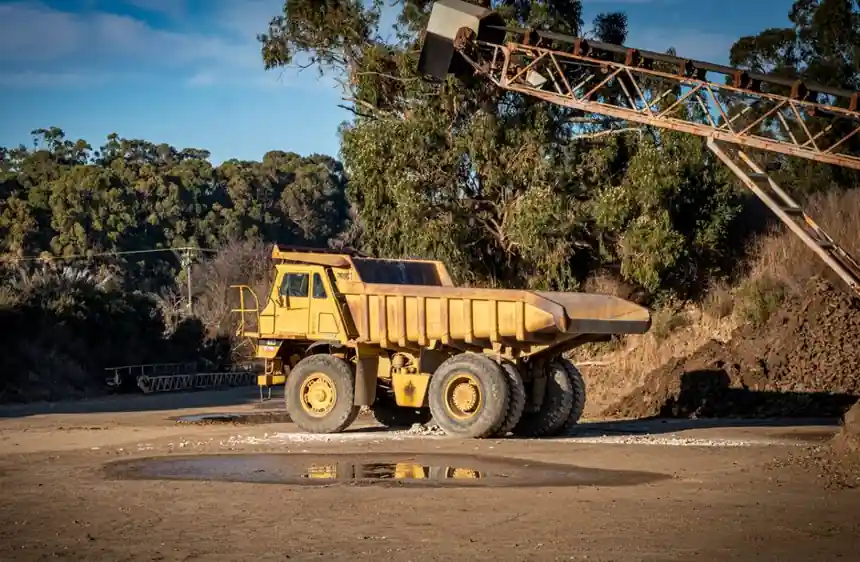
Diesel-electric drivetrains replace a mechanical gearbox and driveshaft path with a generator, traction motors and reduction gearing, while mechanical loaders transmit engine torque through conventional gearing.
The decision depends on operating weight, traction demand, duty cycle, service capability and life-cycle cost, not simply on whether one architecture is described as more efficient.
Architecture and operating scope
A diesel-electric powertrain converts diesel-engine output into electrical energy through an alternator, then uses electric motors to propel the wheels. This arrangement removes the main gearbox, gear changes and clutch-disengagement events associated with a mechanical transmission [S3]. Electric motors can provide full torque from 0 rpm, which is a direct advantage when starting tractive effort is important [S4].
A mechanical drivetrain instead uses the diesel engine, clutch, gearbox, driveshaft, axles and final drives. It remains the simpler arrangement for a wheel loader where the engine speed range, gearbox ratio count and duty cycle permit efficient mechanical shifting.
These comparisons should be applied carefully. For electric wheel loaders, the drivetrain usually comprises electric motors or a combination of electric motors and a diesel engine [S5]. For model selection, obtain the loader manufacturer’s rated net power, operating weight, bucket capacity, gradeability, tire specification and duty-cycle data.
Decision criteria: efficiency, control and ownership cost
Diesel-electric systems are strongest where precise torque control, repeated starts, low-speed traction and component protection matter more than minimum purchase price. The generator-and-motor arrangement avoids the need for a gearbox [S3].
That finding should not be converted into a universal efficiency percentage because it concerns the compared application and system design. The commonly circulated 65% overall-efficiency claim for diesel-electric haul trucks is an arithmetic treatment rather than a guaranteed wheel-loader result [S6].
For a loader owner, calculate fuel per tonne-kilometre or bucket cycle, including idle time, travel distance, payload, grade, and regeneration or engine-load behavior where applicable. The economic case is stronger when the machine spends substantial time in low-speed traction, waiting with the engine running, or operating where precise modulation reduces tire wear and material spillage.
Comparison of the two drivetrain options
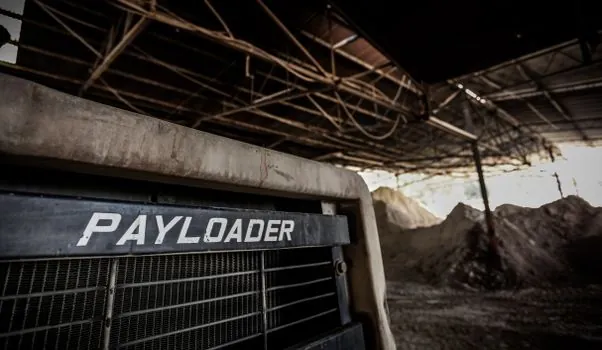
Diesel-electric versus mechanical comparison by criterion gives a practical structure for procurement. On low-speed control, diesel-electric wins because electric motors can deliver full torque from 0 rpm [S4]. On gearbox complexity, diesel-electric wins because it avoids the main gearbox, while mechanical systems require a clutch and multi-ratio transmission [S3].
On retarding and service familiarity, mechanical drive has the stronger documented case in the cited equipment discussion [S2]. On lower-speed operating cost, diesel-electric may benefit when traction control and cycle repeatability are valuable.
Where diesel-electric fits best
Electric motors can modulate output without repeated clutch engagement, reducing harshness during direction changes and loading [S3].
Large mining-truck data illustrate the size relationship but do not establish a wheel-loader cutoff. BELAZ stated that 130 t and above should use electric drives while 30–60 t machines should be mechanical, and it also developed a 90 t electric truck; both options were considered viable in the 90–100 t class depending on cost [S2]. Caterpillar offered mechanical drives from 182 t payload upward in the cited market assessment [S2]. These are rigid-hauler positions, not transferable loader specifications.
For wheel loaders, the duty-cycle equivalent matters more than payload alone. A high-production loader with repeated bucket cycles may justify diesel-electric even below the payload levels associated with mining trucks. The wheel loader size classes reference should be used to map the selected machine’s operating weight and bucket capacity to its expected production role.
Where mechanical drive remains preferable
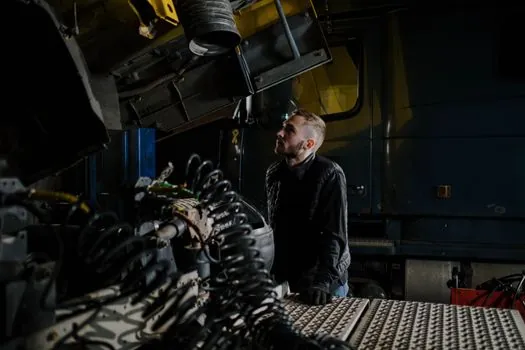
Mechanical drive is usually the lower-complexity choice for small and medium loaders with moderate annual hours, modest grades and limited low-speed crawling. It keeps the diesel engine, clutch, gearbox and driveline in one familiar service architecture, which can simplify technician training and parts planning. The documented advantages include stronger retarding capability and more straightforward mechanical traction control in the cited comparison [S2].
Mechanical drive is also a defensible choice when the loader has access to dealer-supported conventional driveline service but limited electrical troubleshooting capability. It is less attractive where the gearbox is oversized, repeated shifts cause driveline shock, or tire protection and smooth bucket control are central operating requirements. Mechanical equipment can still be fitted with electronic controls, so the comparison must separate basic transmission architecture from optional traction-management systems.
Do not select a diesel-electric loader solely from horsepower. A more informative comparison uses rated net engine power, gross and operating weight, bucket capacity, static tipping load, payload, turning radius, gradeability, cycle time and fuel consumption under the same material. These values should be requested for the exact wheel loader configuration rather than inferred from a model family.
Failure modes, constraints and sourcing
Diesel-electric loader risks center on electrical insulation, alternator output, traction-motor cooling, reduction gearing, cables, contactors, power electronics and control software. Mechanical loader risks center on clutch wear, gear-shift quality, synchronizer wear, driveshaft condition, axle bearings and final-drive lubrication. Neither architecture removes the need for brakes, tire maintenance, hydraulic inspection and engine cooling-system care. [S3]
Several procurement errors recur. First, comparing generator output with engine peak power rather than net continuous traction power. Second, using an efficiency figure calculated from component ratings and treating it as field fuel consumption. Third, excluding battery, inverter, motor or alternator replacement from life-cycle cost. Fourth, assuming electric drive eliminates all reduction gearing; the architecture still requires geared wheel output unless a particular design uses another reduction arrangement [S1][S3].
Specify the diesel engine’s applicable emissions and safety requirements, the electrical insulation and enclosure ratings, protection against water and dust ingress, cooling requirements, diagnostic access, warranty scope and availability of local service. For procurement comparisons, request a one-page duty-cycle calculation from each supplier showing measured or defensibly estimated fuel consumption, cycle time, tire wear and maintenance cost over the same annual operating hours. A published 75% mechanical efficiency and a derived 65% diesel-electric efficiency appear in the haul-truck discussion, but neither is an acceptance criterion without a matched test [S6].
The trackable procurement signals are the loader’s guaranteed operating hours and fuel rate at the specified duty, the number and scope of gearbox or electrical maintenance interventions per 1,000 hours, and the commercial availability of critical components. If those three measures are supplied by both OEMs, the comparison becomes auditable instead of relying on generic claims about efficiency or control.