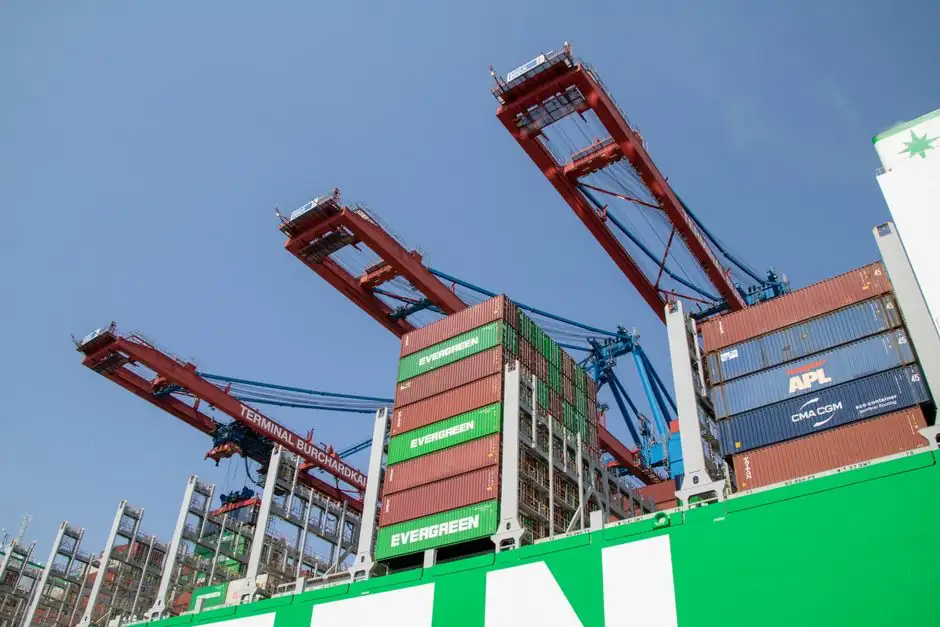
For an electronics distribution bay, the engineering default is a 6 ft wide recessed hydraulic dock leveler rated between 25,000 and 80,000 lb, sized 25 to 30% above the heaviest forklift-plus-load combination [S2][S8].
Electronics handling skews toward high cycle counts, side-by-side pallet moves, and a mix of standard 53 ft trailers and lower-bed shipping containers, which is why the pit-style recessed leveler is the typical spec rather than an edge-of-dock (EOD) unit [S1][S2][S4].
Recessed vs Edge-of-Dock: Which Fits Electronics Bays
Recessed pit-style levelers give a 12 in above and 12 in below dock operating range as standard, with special configurations reaching 18 in above and below, and that range is the reason they dominate higher-traffic facilities [S3]. Edge-of-dock levelers are commonly 72 in. and 66 in. wide and serve a narrow 3 in above-or-below-dock range, so they only fit light-duty, low-volume applications [S3][S5]. For an electronics DC moving dozens of trailers per shift, the wider range alone disqualifies the EOD on operating-window grounds [S4][S5]. Mechanics, not just cycle volume, drive the same call: a recessed leveler carries a standard 50,000 lb and higher rating, which is well above any electric pallet jack or stand-up forklift typically used to move server racks and consumer electronics pallets [S5]. The decision map is short, and it is a map a process engineer can defend in a capital review.
Capacity Sizing: Forklift, Load, and the Safety Factor
Rated dock leveler capacity runs 25,000 to 80,000 lb, and the sizing method is arithmetic, not judgment: add the gross weight of the heaviest forklift to the gross weight of the heaviest load, then apply a safety factor of 2.5 for typical use or 3 to 4 for heavier, more frequent cycles, and round up to the next available capacity [S2]. A second, simpler rule from a separate specifier is to choose a leveler rated 25 to 30% above the expected maximum load, and both rules converge on the same engineering instinct, which is to never size to the exact maximum [S8]. The wider 30% rule is the more conservative of the two and is the one to use when electronics pallets are stacked two-high on a counterbalanced electric forklift, since the moment load on the lip during transition is what kills a marginally rated leveler, not the static pallet weight. For a 5,000 lb forklift plus a 4,000 lb load, the 2.5 factor lands near 22,500 lb and the next standard rating up is 25,000 lb; the 30% rule lands near 23,400 lb and rounds to the same 25,000 lb bin [S2][S8].
Width, Length, and Lip Geometry

Standard dock leveler widths are 6 ft, 6 ft 6 in, and 7 ft, with 6 ft the most common and 7 ft the most flexible for side-by-side pallets and below-dock loading [S4][S9]. For electronics handling, where 48 in by 40 in GMA pallets are loaded two abreast on stretch wrap, a 7 ft wide platform gives the maneuvering room that prevents the costly scrape damage that voids chassis warranties. Platform length runs 5 to 12 ft, with 8 ft the most popular length and the minimum length set by the equipment's maximum grade capability: 7% for a manual pallet truck, 10% for an electric pallet truck, and 15% for an internal combustion forklift, calculated as the height difference divided by the equipment's max grade [S4]. The lip itself must extend at least 4 in into the truck per ANSI MH30.1, with a standard 16 in lip projecting 12 in past the dock bumpers, and refrigerated or specialty trailers can require 14 in or more past the bumpers [S4].
Activation: Mechanical, Hydraulic, or Air-Powered
Mechanical spring-loaded levelers are pulled up with a release chain and walked down onto the trailer, cost less up front, and keep working through power failures, but they require routine lubrication, adjustments, and manual safety-leg retraction for sub-4 in below-dock service [S3][S5]. Powered hydraulic units add constant-pressure push-button controls, full-range toe guards as standard, and hydraulic free-fall protection, which is the safety step that mechanical units only approximate with a 4 in mechanical safety leg [S3]. Air-powered units such as the AIRDOCK SUPER-DUTY series target the strongest duty cycles, where high-volume dock traffic justifies the pneumatic infrastructure [S7]. For an electronics DC, the call is almost always hydraulic, because the combination of cycle count, side-by-side pallet moves, and operator turnover pushes the total cost of ownership below mechanical once labor and downtime are priced in [S2][S3][S6]. A useful cross-reference for how powered material-handling choices scale into the rest of the warehouse is covered in the material handling encyclopedia entry, and broader storage handling integration is worth reviewing before the dock equipment order is cut.
ESD, Cleanliness, and Electronics-Specific Constraints
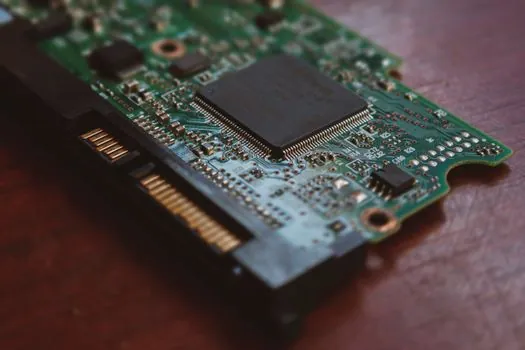
Standard dock leveler documentation does not call out electrostatic-discharge ratings, and a process engineer specifying for an electronics bay should treat that gap as a known unknown rather than assume a default. The practical mitigation is to ground the leveler frame to the building ground, spec static-dissipative lip and ramp coatings where the OEM offers them, and keep the leveler clean of metal debris that can short pallet decks or scratch chassis. Cold-climate electronics operations add an insulation requirement that influences whether a vertical-storing leveler, which sits flush with the dock face when not in use, is the better spec over a pit-style unit, since vertical-storing designs reduce the air infiltration that drives up reefer load [S5]. The same shipping-container mix that forces a wider operating range also means a longer-than-standard 18 in above-and-below configuration is worth pricing for, and recessed units can be ordered to that envelope without going custom [S3].
Cross-Reference Map: Type, Capacity, Range, Best Fit
On a head-to-head comparison for electronics handling, mechanical pit levelers run 25,000 to 50,000 lb, give 12 in above and below dock as standard, suit low-to-medium cycle counts, and are the lowest first-cost option. Hydraulic pit levelers run 30,000 to 80,000 lb, give 12 in standard or 18 in special above and below, suit medium-to-high cycle counts, and are the default for high-turnover electronics DCs [S2][S3]. Air-powered pit levelers run to the highest capacities in the available product lines and suit the most demanding duty cycles, while EOD levelers run to about 20,000 lb, give a narrow 3 in range, suit only low-volume docks, and are the right answer for a small parcel electronics bay that sees one or two trucks a day [S3][S5][S7]. The comparison is also visible at a higher level through the dock leveler encyclopedia page, which collects the same capacity, width, and lip geometry into a single reference.
Selection Checklist for an Electronics DC

Before signing the PO, a process engineer should confirm seven numbers: truck mix and the lowest expected bed height, heaviest forklift-plus-load combination, the calculated capacity with a 2.5 to 4 safety factor, dock height and the required above-and-below range, platform length from the height-divided-by-grade calculation, width from the pallet-arrangement study, and lip projection per ANSI MH30.1 with any refrigerated-trailer override [S2][S4]. Add an eighth item, which is the operator-safety package, and require full-range toe guards, hydraulic free-fall protection, and an interlocked truck restraint where cycle counts justify the cost [S2][S3]. The seventh number worth tracking on a retrofit is pit depth, because an existing pit that is too shallow caps ramp length and forces a steeper grade than the forklifts can climb [S4]. A useful adjacent read for automation that often pairs with the dock decision is the AGV cold chain spec map, which covers the vehicle side of the same traffic pattern.</h2> <p>The next trackable signal is the ANSI MH30.1 lip-projection requirement, which the specifier should confirm against the current revision before ordering, and the second is whether the OEM offers static-dissipative lip coatings as a catalog option rather than a custom upcharge, which would close the known ESD-spec gap for electronics bays [S3][S4].