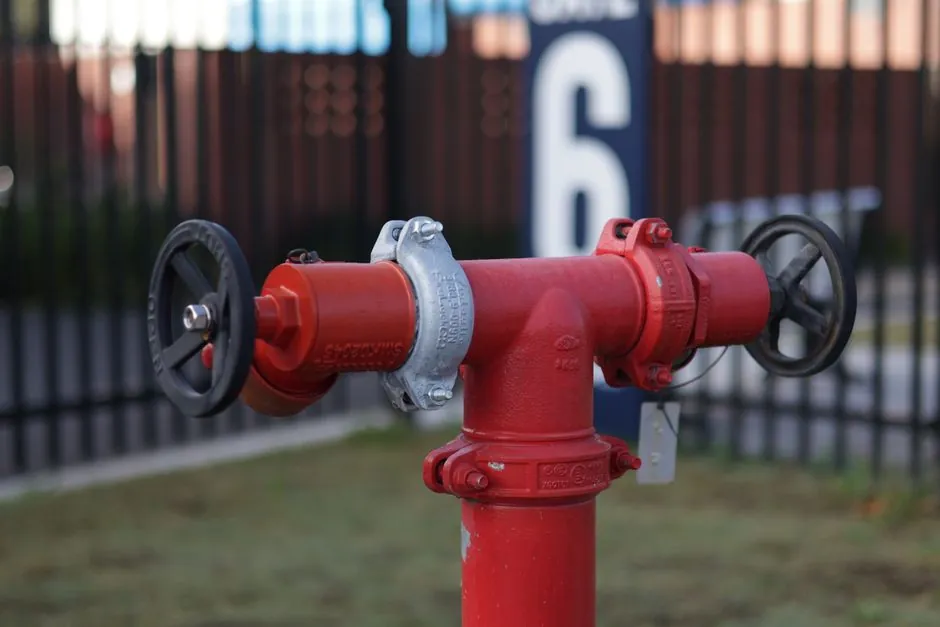
Wet barrel fire hydrants are typically less expensive and can provide immediate flow, while dry barrel hydrants usually cost more but remain unfilled during freezing weather [S1][S3].
The choice depends on climate, water-system connection, flow response, maintenance capacity and installed cost, with wet barrel units serving urban and warm-climate sites and dry barrel units serving freezing locations [S1][S2][S3].
Dry Barrel vs Wet Barrel: Price and Performance
The price difference follows the operating design: a wet barrel remains connected to the pressurized supply and contains standing water, while a dry barrel stays empty until its underground main valve opens [S1][S3]. Wet barrel hydrants are usually less expensive because they are simpler and can start delivering water immediately [S1][S3]. Dry barrel hydrants have more complex internal construction and generally require regular testing and inspection [S1][S3].
A dry barrel must admit water before discharge, so it does not provide the same immediate response [S1]. That startup delay and added mechanical complexity explain why dry barrel units usually carry the higher purchase price [S1][S3].
The price comparison should be based on the supplied fire hydrant system rather than the barrel type alone, because outlet count, pressure class, flow requirement, valve arrangement, connection size and installation conditions can outweigh the basic type premium [S1][S3][S5].
When Wet Barrel Hydrants Justify the Lower Cost
Wet barrel hydrants suit urban, residential, commercial and industrial sites where freezing is not a controlling condition and immediate hose flow is valuable [S1][S3]. Each outlet has its own valve, allowing firefighters to open the selected discharge without first operating a separate underground main valve [S3].
They are also practical where extended dry periods, limited water access or low surrounding water pressure make stored or immediately available water advantageous [S1].
The lower purchase price does not eliminate operating costs. Standing water can promote limestone buildup and contaminants, so wet barrel hydrants require more frequent flushing [S1]. Municipalities operating these units also need provisions for draining them during cold winter months to avoid freeze-ups and ice jams [S1].
A wet barrel hydrant is not the best default for an exposed site with sustained sub-zero conditions unless the owner accepts an engineered freezing strategy. For those conditions, the dry barrel purchase premium buys the principal feature the wet barrel lacks: no standing water in the above-ground barrel.
When Dry Barrel Hydrants Justify the Premium
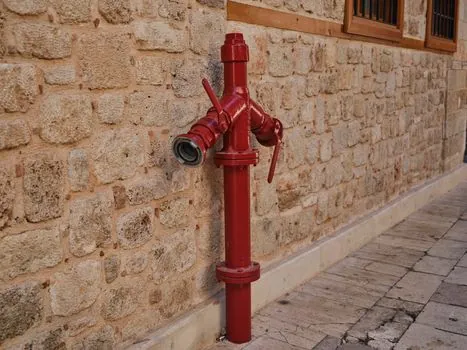
Dry barrel hydrants are intended for colder climates because their vertical barrel remains empty while idle [S2][S3]. The underground main valve admits supply water only when the hydrant is operated, and the barrel drains after use, reducing the risk of trapped water freezing [S3].
They are also relevant where the supply arrangement is independent of a continuously pressurized public network or where reducing contamination of the public supply is a stated design objective [S1]. A dry barrel can be connected directly to its water source rather than operating as a continuously wet branch of the public supply [S1].
The trade is mechanical complexity for freeze resistance. Dry barrel hydrants generally do not require routine flushing because they do not retain standing water above ground, but they still require regular testing and inspection [S1]. Buyers should include that inspection allowance in the total cost comparison instead of treating the equipment price as the complete dry barrel cost [S1][S3].
Installation can also change the economics. A dry barrel depends on an underground valve and adequate drainage, so excavation, valve-box installation, connection work and commissioning belong in the estimate alongside the hydrant body. None of these site-specific additions is quantified in the research, so a supplier quotation is required for a valid installed-price comparison [S1][S3].
Flow, Pressure and Application Requirements
These values are selection criteria, not a guarantee that either barrel type will meet a project demand; available network pressure, main size, elevation and required fire flow determine performance [S3].
A low-pressure wet barrel may therefore cost less than a high-flow dry barrel while failing the hydraulic requirement. Compare equipment that meets the same flow and pressure basis, not different performance classes.
These bands help crews recognize capacity, but they do not establish climate suitability or total installed cost.
The supplied article on fire hydrant lateral diameter and length limits provides the next engineering check after barrel selection, because inlet and lateral constraints can restrict the usable flow class independently of wet or dry barrel construction.
Approvals, Materials and Purchase-Scope Controls
AVK dry barrel and wet barrel hydrants are identified as UL listed and FM approved, providing a documented approval route for projects requiring those product certifications [S5]. Approval status, listed configuration, outlet arrangement and project pressure class must be matched on the quotation; a model that satisfies the climate requirement may still be unsuitable if its certification or outlet schedule does not match the installation.
Both types use recognizable components, including a bonnet, vertical barrel, operating nut and discharge outlets [S3]. Wet barrel hydrants assign a valve to each outlet, whereas dry barrel hydrants use an underground main valve to control water entry [S3]. This component-level difference affects inspection access, replacement parts and service labour, which should be priced as separate line items in a lifecycle comparison.
Request quotations that separate the hydrant, underground main valve, valve box, lateral or connection assembly, drainage provisions, freight, taxes, excavation and commissioning [S1][S3]. Keep every alternative on the same approved model family, outlet count and flow class, then add the climate-specific maintenance plan for that option. This avoids a false comparison between a low-cost wet barrel and a high-performance dry barrel.
Procurement Decision by Site Type
Choose a wet barrel where the operating climate is not dominated by freezing, the priority is immediate discharge, and lower capital cost plus acceptable flushing and winter-draining labour are important [S1][S3]. Choose a dry barrel where freeze protection is mandatory or the connection arrangement requires an empty idle barrel, provided the owner budgets for its more complex construction and regular inspection [S1][S2][S3].
For a warm-climate industrial site needing 1,000 GPM, the defensible comparison is a UL/FM-approved wet barrel and dry barrel at the same flow class, pressure basis and outlet configuration [S3][S5]. For a freezing site, that comparison must add drainability and the underground valve arrangement rather than rely on equipment price alone [S2][S3].
Before issuing a purchase order, obtain at least two base-price quotations on identical project criteria, add one year of site-specific maintenance assumptions, and verify flow and residual-pressure requirements in the hydraulic design [S1][S3]. Track quoted body price, installed cost and annual maintenance exposure as three separate figures; that structure identifies whether the apparent wet barrel saving survives after freeze protection and inspection obligations are included [S1][S3].