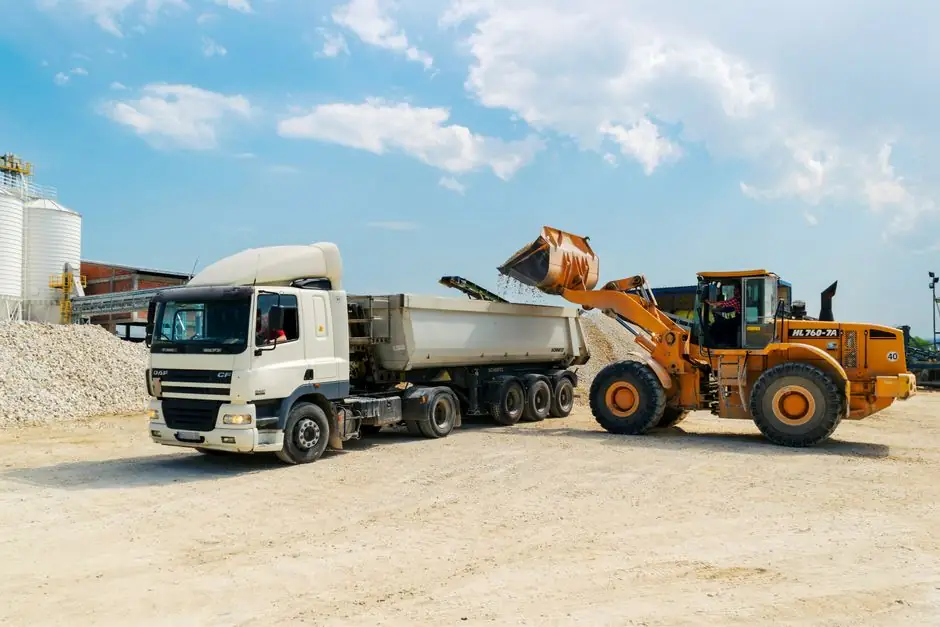
Underground and surface mining atmospheres routinely exceed the 2 mg/m³ respirable coal dust threshold, so MSHA/NIOSH-approved respirators, not nuisance masks, are the minimum spec on every longwall, drift, and haul-truck cabin [S3]. A 10-pack of non-rated micro masks sold at US$9.99 explicitly states it is "NOT NIOSH APPROVED and NON-RATED" and "NOT intended for use in hazardous or toxic environments" [S1], which automatically disqualifies it from any regulated mining task.
Selection therefore starts with hazard mapping (coal dust, silica, diesel particulate, welding fume), then narrows to filter class (N95, R95, P95, P100), then to fit factor and exhalation valve configuration. The full taxonomy of disposable particulate respirators used in industry is covered in the dust mask reference page, which mirrors the NIOSH 42 CFR Part 84 approval scheme.
Filter class vs. mining hazard: where N95, R95, and P100 actually apply
NIOSH 42 CFR Part 84 defines nine filter classes that combine a letter (N, R, P) and a number (95, 99, 100), where the letter denotes oil resistance: N = not oil-resistant, R = somewhat oil-resistant (up to 8 h), P = oil-resistant (no time limit), and the number is the minimum filtration efficiency (95%, 99%, 99.97%) [S1]. For coal dust, silica dust, and most metal-ore particulates in dry conditions, an N95 or N100 is the default spec; once oil mist from lubrication, cutting fluid, or diesel exhaust coexists with the dust load, the spec must step up to R- or P-class.
A P100 filter is the only single-use disposable that meets the 99.97% efficiency bar and is therefore specified for hard-rock drilling, shotcrete operations, and any work near a running mining dump truck where DPM (diesel particulate matter) loads exceed the MSHA DPM limit of 160 µg/m³ total carbon. Half-mask elastomeric P100 reusable respirators are commonly swapped in for hot-work, welding, and longwall shearer operator duty cycles where filter cost per hour matters more than unit price.
Fit factor, seal check, and the S/D ratio that decides real protection
A passing qualitative fit test (QLFT, saccharin or Bitrex method) is only acceptable for tight-fitting negative-pressure half masks and is not permitted for full-face or supplied-air units, which require QNFT regardless. [S1]
User seal checks (positive and negative pressure) must be performed every donning, and the mask must be replaced when the seal degrades; for mining, the typical replacement trigger is 1 shift for an N95 disposable in heavy dust, or when breathing resistance rises noticeably. Foldable flat-fold designs with a malleable nose pad, like the US$0.16 FOB-China foldable dust mask [S2], are common in non-regulated applications because they ship flat (288 pcs/ctn packing) and reduce storage volume, but flat-fold construction does NOT confer any filter-class advantage, it is a form-factor choice only.
Construction and material: meltblown, non-woven, and why layer count is not a spec

A typical three-layer disposable dust mask stacks spunbond polypropylene (outer), meltblown polypropylene (filter, 20-25 g/m² basis weight for N95 class), and spunbond polypropylene (inner) [S4]. The 20-25 g/m² meltblown layer is the actual filter; adding more outer/inner layers does not improve penetration, it only adds breathing resistance, which drives leakage around the seal.
Exhalation valve diaphragms are typically silicone or thermoplastic elastomer over a plastic valve body, and they drop exhalation resistance by roughly 50% versus a valveless mask at 85 L/min minute volume, which is the NIOSH standard test flow. Valved masks must NOT be used in sterile or source-control environments (TB wards, cleanrooms), but they are preferred for hot, humid mining faces where heat stress is a daily limiter. For the broader family of particulate monitoring, the dust detector and dust particle meter reference pages explain how real-time aerosol monitors verify that the chosen respirator is matched to the actual exposure profile.
Who a nuisance mask is FOR vs. who it is NOT for
Nuisance masks like the 10-pack Micro Dust Mask at US$9.99 (10 units per pack, or US$1.00 per unit) are explicitly limited to "minor dust nuisance in non-toxic and non-hazardous environments" [S1]; that excludes any underground mine, any confined-space entry, any welding, any silica-generating operation (cutting, grinding, abrasive blasting), and any work near a running diesel engine without verified DPM control. Using a non-rated mask in a regulated atmosphere is a citable MSHA violation and an OSHA general-duty citation.
These masks are appropriate for yard sweeping, light warehouse dust, and non-regulated construction sweep-up where the employer has documented that the contaminant is below the PEL. They are NOT appropriate for: coal-face operators, roof bolters, continuous miner operators, longwall shearer crews, crusher attendants, shotcrete nozzlemen, sandblasters, or any worker assigned to a respirator-required task per the site-written respiratory protection program.
Selection gates and a direct comparison of the main options

The following four-way comparison covers the respirator classes most commonly specified for mining operations; each row is a discrete selection gate the safety officer must clear before purchase.
Disposable N95 (e.g.
Disposable P100 (e.g.
Half-mask elastomeric P100 (e.g. 3M 7503, MSA Advantage 420): ~US$25-45 mask body plus US$2-6 per 2091/2097 P100 filter, reusable body, multi-shift filter life (typically 1-4 weeks in heavy dust), lower long-run cost for hot-work and longwall crews.
Powered air-purifying respirator (PAPR) with HE filter: ~US$500-1500 system, Assigned Protection Factor (APF) 25-1000 depending on hood/facepiece, no fit test required for loose-fitting hoods, used for long-duration high-dust tasks and tight-quarter maintenance on mining dump truck drivetrains.
Standards, training, and the documentation that holds up in an MSHA audit
Every respirator issued in a US mine must be NIOSH-certified (42 CFR Part 84) and selected under the mine's written respiratory protection program, which must include hazard assessment, selection logic, medical evaluation per OSHA 29 CFR 1910.134 Appendix C, fit testing, training, and program evaluation. The medical evaluation questionnaire must be reviewed by a PLHCP (physician or other licensed health-care professional) before the worker is fit-tested or assigned to a respirator.
Filter change-out schedules are not standardized; the common rule of thumb is to replace particulate filters when breathing resistance increases noticeably, when the filter is visibly loaded, or at the end of the shift in heavy dust, whichever comes first. Records of fit tests, medical clearances, and training must be retained for the duration of the worker's employment plus 30 years per 29 CFR 1910.1020 in some jurisdictions; site-specific retention rules vary by state and MSHA district.
Failure modes and the constraints that override convenience
The most common field failures are: (1) facial hair under the seal, which collapses fit factor to near zero, (2) wrong size selected, where a medium mask on a small face leaks at the chin, (3) valved masks used in source-control settings, and (4) stretched-out straps that no longer tension the seal. None of these are visible in the spec sheet, which is why qualitative or quantitative fit testing is the only reliable gate. [S1]
Storage conditions also matter: meltblown polypropylene degrades under UV and high humidity, so masks must be kept in sealed packaging or cabinet storage, not on a truck dashboard. Shelf life is typically 2-5 years from manufacture for disposable N/R/P class respirators when stored sealed at room temperature; expiry dates are stamped on the box and must be checked at receipt, not at issue. For site-level pressure transmitter and flow meter selection on the dust-collection side of the ventilation system, the same change-out and calibration discipline applies.
Two trackable signals to watch over the next quarter: MSHA's quarterly respirable dust citation list, and NIOSH's National Personal Protective Technology Laboratory (NPPTL) approvals log for any new powered air-purifying class configurations aimed at longwall and roof-bolter duty cycles. Both are public, free, and updated on a defined cadence.
This topic is covered further in Thrust bearing selection for steel mills: load, speed, and lubrication gates.