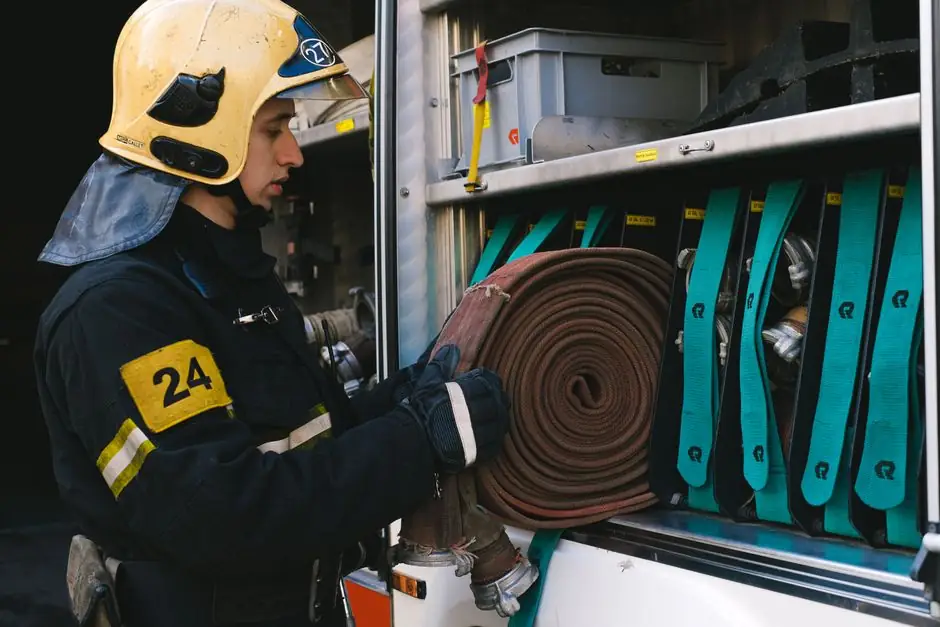
Structural firefighting face protection centres on a helmet-mounted visor certified to NFPA 1971 chapter 6, with an optical-class polycarbonate lens rated to 260 °C radiant heat and a separate inner Nomex or Kevlar hood that covers the neck, ears, and jaw, while wildland firefighting uses a soft fabric face mask that integrates with half-mask respirators from Dräger or Sundström because radiant flux on a brush-fire call is lower but particulate inhalation is the dominant hazard.
The two configurations are not interchangeable: structural helmets are tested against the NFPA 1971 thermal, impact, and penetration protocol and weigh 1.4–1.8 kg with the visor flipped down, whereas a Hot Shield HS-2 wildland mask weighs roughly 170 g and is rated for blowtorch flame contact plus soot filtration through a replaceable N-95 element [S3]. Procurement officers who try to substitute one for the other typically end up with either a non-compliant structural rig or a wildland mask that melts on an interior attack.
Visor material, optical class, and thermal limits
NFPA 1971 chapter 6 requires the structural helmet's eye protection to survive a 10 s radiant heat exposure at 260 °C without the lens distorting or transmitting flame, and most modern structural visors are made from 2.0–3.0 mm optical-grade polycarbonate with a hard-coat anti-fog layer on the inner face. The trade-off is weight: a 2 mm polycarbonate lens adds roughly 80 g to the helmet pivot, a 3 mm lens adds 120 g, and the 3 mm variant is preferred on industrial fire brigades where the helmet spends more time with the visor deployed. [S3]
For wildland operations the visor is replaced by a Nomex or flame-resistant treated-cotton shroud that wraps the face and neck, and the dominant thermal test is the ASTM F955 radiant-heat test used for firefighter hoods. The shroud is consumable: Hot Shield publishes replacement N-95 filter pads and full shroud re-order pricing around $40 and $25 respectively, which makes lifecycle cost a real specification variable rather than a marketing footnote [S3].
Headband, strap, and decontamination compatibility
Headband and strap materials on a firefighting face shield must survive repeated exposure to the cleaning chemistries used on turnout gear: hot-wash detergent, chlorine bleach at 100–200 ppm, and isopropyl alcohol wipe-down between calls. Open-source COVID-era face shield data lists the same baseline compatibility window: polypropylene headbands, silicone or natural-rubber straps at 0.8–1.6 mm thickness and Shore A 40–55, and PET or PPSU visors in the 0.18–0.5 mm range all survive autoclave, EtO, hydrogen peroxide vapour, gamma, and UV-C sterilisation cycles [S1]. PPSU costs more than PET but is the only one of the two that survives repeated 134 °C autoclave cycles without hazing, which matters for cross-staffed industrial brigades that share gear with a hospital lockbox.
Wildland shrouds are typically washed rather than autoclaved: a standard NFPA 1851 advanced clean cycle at 40–60 °C with pH-neutral detergent is the default, and bleach is restricted to spot treatment because Nomex fibres lose tensile strength above 5% cumulative chlorine exposure. The mask-to-respirator interface is the failure point most often missed: a half-mask Dräger X-plore or Sundström SR 100 silicone facepiece needs a shroud with a stitched Lycra binding around the respirator port, otherwise soot bypasses the seal on every breath.
Comparison: structural visor vs wildland fabric mask
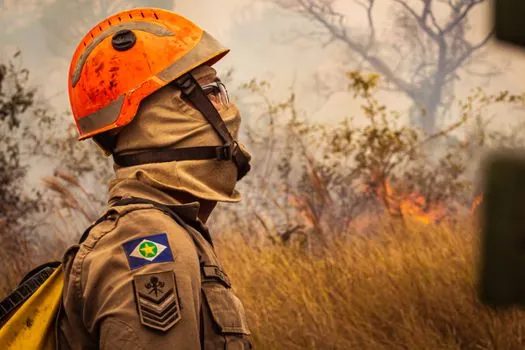
On four decision criteria the two options separate cleanly. Thermal rating: structural visor to NFPA 1971 chapter 6 at 260 °C / 10 s, wildland shroud to ASTM F955 radiant heat at roughly 8–12 kW/m² flux. Weight at the head: 1.4–1.8 kg for a structural helmet-and-visor rig, 0.15–0.20 kg for a Hot Shield HS-2 fabric mask [S3]. Respirator integration: structural kits pair with SCBA facepieces, wildland kits pair with half-mask elastomeric respirators using Dräger or Sundström cartridges. Sterilisation method: structural visors are wipe-down only, wildland fabric masks are machine-washable and filter-pad replaceable.
Specifiers should weight the four criteria against their call profile. A municipal structural crew running 90% interior attack should default to the NFPA 1971 helmet-visor-hood stack; a wildland contractor or utility-line clearance crew running 90% exterior brush exposure should default to the fabric mask + half-mask stack; a mixed industrial fire brigade should hold both in inventory and label the gear lockers by call type, not by individual name. The cross-reference data set is the same as the open-source mass-manufacturing file released under the White Label Face Shields project, which gives the baseline strap, headband, and visor compatibility matrix used by the COVID hospital surge lines [S1].
Failure modes and field rejection criteria
Three failure modes account for most in-service rejections. First, polycarbonate visor hazing after 12–18 months of UV exposure, which drops visible-light transmission below the 80% threshold that NFPA 1971 chapter 6 sets and forces visor replacement even when the structural shell is intact. Second, shroud fabric abrasion at the respirator interface, which opens a soot bypass path that no amount of cartridge chemistry can filter; field rejection is at any visible fraying around the Lycra binding, not at a service-hour count. Third, strap elasticity loss: silicone and natural-rubber straps at the 40–55 Shore A range stretch permanently after roughly 200 autoclave cycles, and the failure signature is a face shield that slides forward on the forehead during a crawl. [S3]
Standards traceability matters here. NFPA 1971 (2025 edition) chapter 6 covers the structural helmet and visor system, NFPA 1851 covers the cleaning, inspection, and decontamination cycle for the same gear, and ASTM F955 covers the radiant-heat performance of the fabric hood or shroud that goes underneath. For non-US brigades the EN 443 helmet standard plus EN 13911 hood standard are the equivalent regulatory pair, and EN 166 sets the optical requirements for the visor lens.
Procurement and lifecycle signals
For procurement, the trackable signals in 2026 are the lead time on replacement visors (typically 4–8 weeks from US distributors, longer for EN 166 stock), the price band for a complete wildland HS-2 setup at $115–$140 with a $40 replacement filter pack, and the availability of PPSU visor upgrade kits for hospitals that co-staff fire brigades [S3]. Labs specifying face protection for chemical or biological handlers should also review the face shield selection for laboratories spec map, which lines up the same PET, PPSU, and autoclave-cycle gates against lab-grade splash and particulate hazards, while warehouse and logistics crews should consult the face shield selection for warehouse operations map for impact-rated versus splash-rated choices. The general face shield reference page gives the baseline visor, headband, and decontamination vocabulary used across all three contexts.
The underlying component specifications are covered under shield machine, and pressure transmitter.