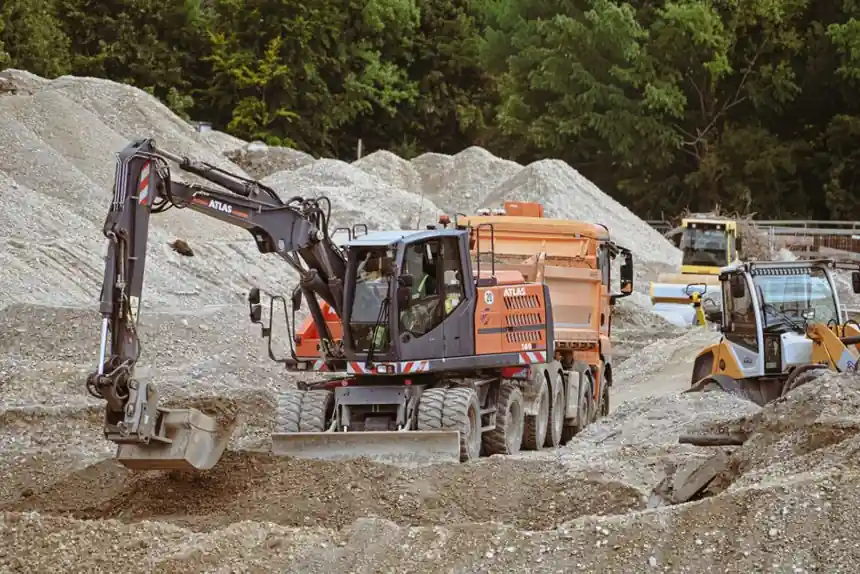
Electric mini excavators can have lower operating costs than comparable diesel models, and total cost of ownership is expected to drive electrification [S1][S3].
The economic case depends on annual hours, electricity and diesel prices, charging access, battery replacement risk, and the machine’s ability to work indoors or in noise-sensitive locations [S2][S4].
Purchase Price, Energy Use, and Operating Break-Even
Mini excavator ownership cost is approximately US$45,000–US$110,000 over five years, so buyers should calculate five-year cash cost rather than infer savings from the energy invoice alone [S6]. A defensible worksheet includes purchase price, electricity or diesel, scheduled maintenance, unscheduled repairs, battery replacement, charging equipment, financing, downtime, and residual value [S4].
Decision Matrix: Electric Against Diesel
Diesel models offer greater refueling flexibility, while electric models may reduce energy costs and have zero local exhaust emissions [S2][S4]. Electric mini excavators generally have lower maintenance requirements because their powertrains do not use a diesel engine, while diesel models require servicing of engine-related components [S2].
Diesel models are more practical where recharging is inconvenient or unavailable, including remote jobsites and longer outdoor working days [S2][S4]. Electric mini excavators are especially suitable for urban, residential, indoor, low-noise, and emissions-sensitive applications, with noise levels typically below 70 dB and no local exhaust emissions [S1][S2].
Electric is not automatically permitted inside every building. Operators must still assess site rules, ventilation requirements, local regulations, and the specific machine’s noise characteristics [S4]. Diesel is not automatically suitable for enclosed spaces because its combustion process produces local exhaust emissions [S2].
Battery, Charging, and Utilization Constraints
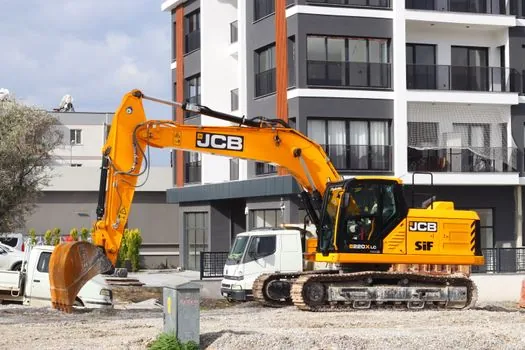
Most electric mini excavators use lithium iron phosphate packs rated for roughly 3,000–5,000 full-charge cycles before reaching 80% capacity [S1]. Runtime depends on usable battery energy and actual load, so a 4–8 hour operating window is a category range rather than a guaranteed shift length [S1].
That creates an opportunity-cost problem when the machine returns before the next shift or when site power cannot support simultaneous charger loads. Diesel remains operationally simpler when refueling takes minutes and the machine must move among remote sites [S2][S4].
Battery health is a financial risk, not merely a technical specification. The battery management system should protect against overcharging and deep discharge and report state-of-health data so replacement can be planned [S1].
Maintenance, Reliability, and Downtime Exposure
Electric drivetrains have fewer moving parts and remove engine oil and filter changes, while diesel machines retain scheduled servicing for the engine, fuel system, and exhaust aftertreatment [S2][S3].
In a high-utilization fleet, reduced oil and filter servicing should also be evaluated against the downtime cost of parts availability and technician response [S2].
Electric ownership still retains failure exposure in hydraulics, hoses, cylinders, controls, chargers, battery cells, and the motor. Diesel retains engine, injector, fuel-filter, turbocharger, and aftertreatment exposure. An electric model should not be assigned the lower TCO until its warranty terms, local service capability, battery replacement price, and charger support are documented [S2][S4].
Best-Fit Applications and Purchase Conditions
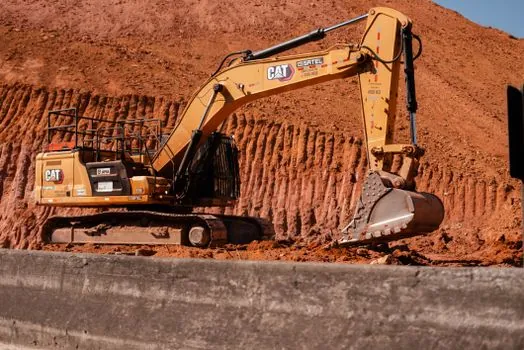
Electric mini excavators fit indoor renovation and demolition, basement excavation, warehouses, industrial buildings, greenhouses, agricultural facilities, and residential work with strict noise limits [S4]. These uses can produce the strongest case when the machine works many hours, operates near the site base, and can recharge during predictable idle periods.
Diesel mini excavators fit remote projects, long continuous shifts, uncertain work windows, and contractors moving the equipment among multiple sites [S2][S4]. They are also the lower-risk purchase where charging infrastructure is unavailable, temporary power is expensive, or one machine must cover long operating days without interruption.
Rental can be evaluated for low-hour or short-duration projects. Mini excavator purchase economics depend on utilization, operating conditions, and whether ownership or rental fits the workload [S8]. For an electric mini excavator, require written battery warranty terms and usable-capacity data; for a conventional mini excavator, price engine service, fuel logistics, and aftertreatment support before comparison.
How to Build a Five-Year TCO Case
Use the same annual-hour assumption for both machines and separate productive operating time from charging time. Calculate diesel fuel as litres per hour multiplied by hours and diesel price, then calculate electricity as kWh per hour multiplied by hours and electricity price [S4]. Add charger or depot-fueling infrastructure only to the option that requires it [S4].
Apply a separate battery reserve for replacement or reconditioning, including the year in which the pack is expected to leave the useful-ownership window. A battery warranty does not remove this reserve unless the financial terms transfer that risk to the supplier. Obtain the diesel machine’s full maintenance schedule as well, rather than comparing energy cost against a reduced electric service allowance [S1][S2].
Electric construction-equipment TCO also depends on operating duration and charging logistics, not a universal savings percentage. The related analysis of electric equipment TCO reinforces the need to test savings against actual hours, local energy prices, infrastructure, and downtime rather than applying a blanket assumption.
A 20-tonne IDTechEx comparison at 12,000 lifetime hours used US$2/L diesel and US$0.30/kWh electricity and calculated US$12,620 annual savings for the electric excavator, but it did not include emissions charges [S3]. Treat this as a sensitivity example for energy pricing, not as a mini-excavator quote. Mini machines consume less fuel, so maintenance and battery costs carry more weight in their business case [S3].
The procurement decision should pass only if the electric model’s verified battery kWh, operating consumption, annual hours, charger time, service rate, and battery replacement quote produce a lower risk-adjusted five-year cost than the diesel alternative.