Electric concrete pumping used 67.3% less energy and produced 12.9% fewer emissions than diesel pumping in the One Sydney Harbour comparison [S2].
Diesel and electric pumping units share the same hydraulic delivery principle, but differ in power source, site independence, energy cost, maintenance scope, noise, and exhaust emissions [S1].
Power Architecture and Selection Criteria
Diesel trailer pumps use a diesel engine to drive the hydraulic system, while electric trailer pumps use an electric motor; both drive the delivery pistons hydraulically [S1]. Both diesel and electric trailer concrete pumps rely on a hydraulic system to drive the delivery pistons and transport concrete to the construction site.
The power source does not determine concrete output by itself. Output also depends on the hydraulic system, delivery cylinders, discharge pressure, and pipeline layout [S1]. Compare each candidate using six criteria: grid dependency, operating cost, relocation speed, exhaust exposure, maintenance exposure, and access to service support.
Electric Units for Reliable Power and Controlled Sites
Electric concrete pumping used 59.1% less energy cost than diesel pumping in the One Sydney Harbour case study, where an electric pump was compared with a diesel unit on a neighbouring project [S2].
Electric pumps have no engine exhaust at the point of use and generally produce lower operating noise than diesel pumps [S1]. This configuration suits urban residential and commercial work where site restrictions address construction noise and emissions, provided the power supply has adequate capacity [S1].
The One Sydney Harbour project used electric equipment during construction of a 30-storey tower, including one concrete pump, two tower cranes, two hoists, elevated work platforms, and a formwork hoist [S2]. The case study found that electric concrete pumping used 67.3% less energy, produced 12.9% fewer emissions, and required 59.1% lower energy costs than diesel concrete pumping.
Diesel Units for Remote and Mobile Work
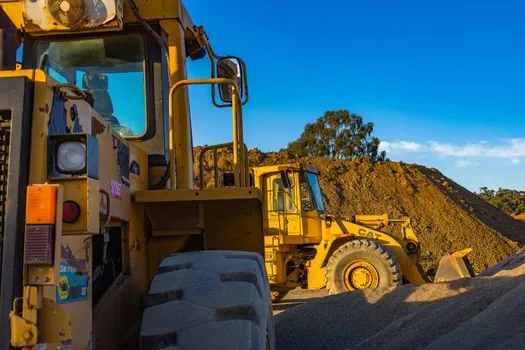
Diesel trailer pumps operate independently of the external grid, making them suitable for rural housing, highways, bridges, remote sites, and locations with unreliable electricity [S1]. A diesel unit can follow the construction schedule without waiting for grid energization or a site transformer.
Grid-independent operation does not eliminate logistics. Diesel-fuel transport, storage, refueling, and remote supply cost must be included in the operating plan, particularly where fuel delivery is irregular [S1]. For a long-term or remote project, these costs can offset part of the benefit obtained by avoiding fixed electrical infrastructure.
Published diesel-pump specifications illustrate the range available rather than a universal performance level. The HBTSB40-10-82R has a maximum output of 40 m³/h and maximum pumping pressure of 10 MPa, while the HBTSB60-13-129R reaches 67 m³/h and 13 MPa [S3].
Cost, Weight, and Maintenance Comparison
Electric pumps generally carry lower use and maintenance costs, but diesel units normally add engine weight and require a larger supporting structure; one comparison describes diesel pumps as heavier because of the engine and its larger frame [S4].
The project comparison also reported that electric pumping was 50.8% cheaper than diesel pumping when renewable electricity was used for the electric unit and the diesel comparison included net-zero treatment [S2]. That result depends on the renewable-electricity assumption and should not be transferred directly to a site using standard grid power.
Constraints That Can Reverse the Decision
Electric selection can fail when the available supply cannot support the pump. The supplied electrical system may require a high-power transformer and stable voltage; one engineering comparison warns that sustained voltage more than 20% below rated voltage after startup can cause excessive stator copper loss and motor overheating [S4].
Supplying a generator to overcome that constraint reduces the theoretical benefit of electrification and may add transport and operating costs [S4]. Confirm supply voltage, phase arrangement, frequency, connection capacity, earthing, and required starting method before ordering an electric unit.
Diesel selection can fail when fuel logistics are weak or prohibited. The unit may be capable of remote operation but still depend on regular fuel delivery, storage space, engine service access, and adequate ventilation around the engine. Exhaust controls, access rules, and underground or indoor restrictions can make a diesel unit unsuitable even where it is technically powerful.
Electric power does not remove the need to assess ventilation and safety at indoor, underground, or poorly ventilated work areas [S1]. The power source changes emissions and noise, not the hazards associated with stored concrete, pressurized lines, rotating machinery, or working in a confined area.
Concrete Delivery and Pump-System Limits
Concrete pumps must move a heavy, viscous, abrasive mixture containing hard aggregate, and the material must remain moving to prevent setting [S5]. These concrete properties place a higher practical limit on pipeline and placement performance than the prime mover alone.
Published diesel models show substantial variation within the same power category. The HBTSB40-10-82R is rated at 40 m³/h maximum output capacity, 10 MPa maximum concrete pumping pressure, and 120 m maximum vertical conveying distance.
These figures are model-specific and cannot be used to declare one prime mover more powerful than another. Match the complete pump, concrete mix, pipeline diameter, bends, elevation, and placement cycle to the required placement rate. For boom-pump applications, the receiving process may involve a concrete pump truck and a concrete mixer truck, while trailer line pumps remain a different equipment class.
Procurement and Operating Plan
Use a two-stage procurement check. Stage one compares site compatibility: reliable grid capacity or remote operation, relocation frequency, permitted emissions, noise limits, ventilation, and fuel or electrical infrastructure. Stage two compares the commercial model: theoretical output, maximum concrete pressure, vertical and horizontal reach, pump-valve arrangement, maintenance support, and total operating cost [S1][S3].
Do not accept a headline percentage without a defined operating basis. The 67.3% energy reduction, 12.9% emissions reduction, and 59.1% energy-cost reduction came from one 30-storey tower project comparison, not a universal performance guarantee [S2]. Validate expected fuel or electricity consumption, utilisation hours, electricity tariff, diesel price, maintenance allowance, infrastructure charges, and expected service life for the proposed site.
For an urban project with a stable grid, specify an electric pump when its calculated operating advantage remains after any transformer or cabling cost. For a remote highway, bridge, or long-duration project without reliable power, specify a diesel unit and include fuel delivery, storage, engine service, and ventilation in the site plan [S1][S6].