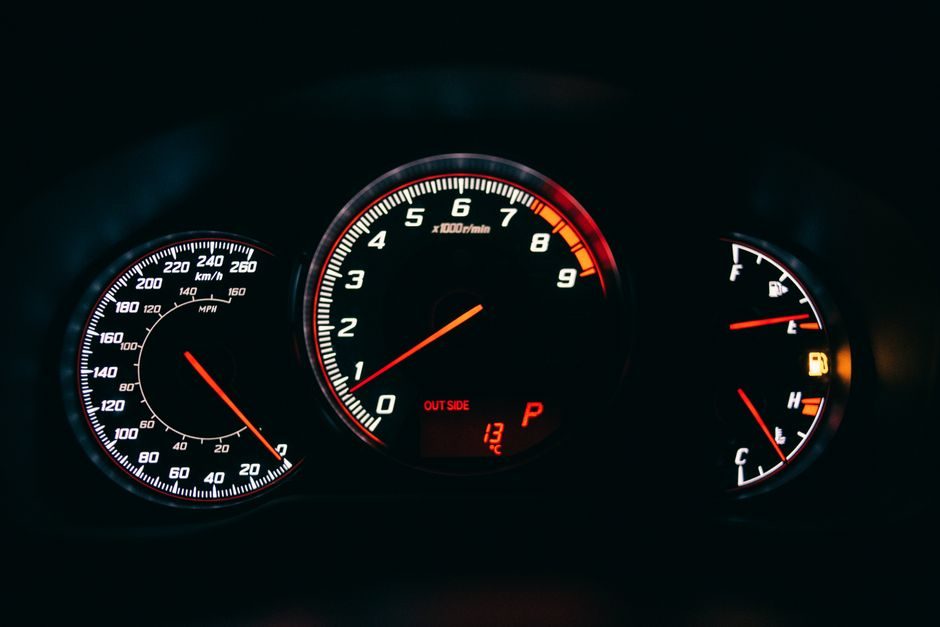
Modern electric-vehicle process control and instrumentation rests on three interlocking layers: cell-to-pack regenerative battery cycling, on-vehicle CAN-bus instrumentation, and EVSE conformance test platforms built to SAE J1772 and GB/T 18487.1 [S1].
Chroma's Chroma 8000 Automated Test System covers AC level 1 and level 2 EVSE, on-board chargers, DC-to-DC converters, and motor drivers in one expandable platform, addressing R&D through production test phases [S1]. Curtis China, ISO 9001:2015 and ISO 14001 certified since its 1995 Suzhou founding, supplies motor controllers, CAN and serial instrumentation, and DC/DC converters for electric and hybrid vehicles in the China and Southeast Asia markets [S2].
Battery Cycler Architecture: Cell, Module, Pack
Cell-to-pack instrumentation divides cleanly into three tiers: cell-level capacity and performance tests, module-level drive-cycle simulation, and pack-level incoming/outgoing inspection [S1].
Chroma's regenerative battery testers recycle discharged energy back to other channels in the system or back to the AC grid, reducing facility heat load and per-cycle energy cost on multi-channel racks [S1]. The same platform supports charge/discharge characterization, drive-cycle simulation, capacity verification, and production-end-of-line qualification, with field-upgradeable channel cards [S1]. Curtis' Acuity Battery Monitoring System sits in parallel on the vehicle side, paired with programmable CAN and serial hour meters and state-of-charge instruments, giving a closed loop between factory test data and in-service battery telemetry [S2].
EVSE Conformance: SAE J1772 and GB/T 18487.1
EV supply equipment acceptance is gated by SAE J1772 in North America and GB/T 18487.1 in China, both of which define AC level 1/level 2 charge protocol handshake, control pilot, and protection behavior [S1].
The Chroma 8000 test platform is built for full-function EVSE verification against both standards in a single configuration, configurable with AC/DC sources, regenerative electronic loads, power analyzers, oscilloscopes, DMMs, and digital/analog I/O cards [S1]. Pre-written test sequences plus user-defined scripts handle the conformance matrix, with automatic data logging and statistical report generation that flows into production quality records [S1]. For OEMs shipping to both regions, dual-standard coverage in one fixture removes a parallel test cell and its associated fixturing cost.
On-Vehicle Instrumentation: CAN, SOC, and Hour Meters
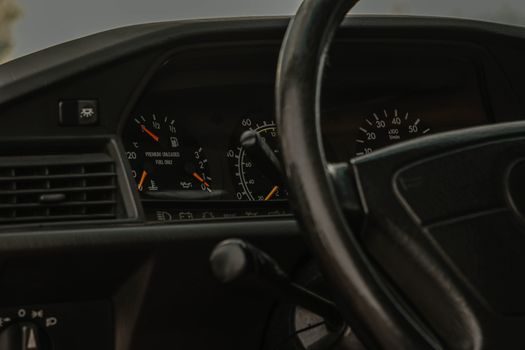
On-vehicle instrumentation is dominated by CAN-bus programmable devices: motor controllers, DC/DC converters, battery chargers, and a separate CAN and serial instrumentation line for state-of-charge, hour metering, and battery monitoring [S2].
Curtis China's catalog splits cleanly into Motor Controllers, Power Conversion (DC/DC converters and battery chargers), and Instrumentation, with Acuity Battery Monitoring and Battery State-of-Charge Instruments forming the battery-side measurement tier [S2]. The CAN and serial instrumentation line is field-programmable, which lets OEMs re-flash parameters without a hardware swap when a vehicle variant is added [S2]. On the factory floor, the same CAN backbone ties directly into an electric pallet truck battery monitoring rollout pattern, where cell-level telemetry replaces manual voltage checks.
Safety and Dielectric Test: Beyond Functional Coverage
Functional test alone is insufficient; dielectric withstand, isolation resistance, leakage current, and ground bond are mandatory for the power system, motors, batteries, charging system, wiring, charging lines, connectors, and the charging station itself [S1].
Chroma supplies both benchtop and automated safety test systems, plus wound-component analyzers, for in-line and end-of-line electrical-safety acceptance [S1]. For an EV battery pack, isolation resistance measurement between high-voltage bus and chassis is the single test that most often catches a cell-to-pack wiring regression, and it should be logged alongside functional data rather than run on a separate station. EV manufacturing plants integrating these tests into a single multifunction process calibrator workflow cut instrument count per line.
Process-Control Trade-Off Map: Test Platform vs Vehicle Instrumentation
Decision-makers typically weigh four criteria when scoping an EV instrumentation program: test coverage, energy recovery, regional standard coverage, and on-vehicle connectivity [S1][S2].
By those four gates, Chroma's Chroma 8000 scores high on coverage (EVSE/OBC/DC-DC/motor driver) and energy recovery (regenerative to grid), with dual SAE J1772 + GB/T 18487.1 conformance but no on-vehicle role [S1]. Curtis China covers on-vehicle connectivity (CAN, motor controllers, battery monitoring) and is programmable in the field, but does not position itself as a stationary EVSE conformance tester [S2]. A complete EV program needs both: a stationary test platform for build verification and a CAN-based vehicle instrumentation stack for in-service data, with shared data formats so factory cycling results reconcile with fleet telemetry. Specifiers mapping out a new line should look at how EV Manufacturing Quality 2026 layers digital twins over this same test stack before committing to a single-vendor architecture.
Procurement and Sourcing Map
Sourcing EV instrumentation in 2026 means balancing Taiwan-headquartered test-instrument OEMs against China-located controller and instrumentation suppliers, each with distinct regional strengths [S1][S2].
Chroma ATE positions itself as a world-leading manufacturer of precision test and measurement instrumentation, automated test systems, and turnkey test and automation solutions, with EV-specific platforms aimed at global automotive OEMs and tier-1s [S1]. Curtis China operates a Suzhou manufacturing facility and engineering center, ISO 9001:2015 and ISO 14001 certified, focused on China and Southeast Asia markets for electric and hybrid vehicles and equipment [S2]. Procurement teams should match supplier geography to the plant's regulatory target: North American-bound EVSE on Chroma 8000 for SAE J1772, China-domestic lines on Curtis for CAN-stack consistency, and dual-region programs requiring both. Where a build line also handles material handling, an electric actuator selection feeds the same CAN backbone used for battery monitoring, simplifying spares.
Two trackable signals: any 2026 update to GB/T 18487.1 revision clauses around DC charging handshake, and Chroma or Curtis announcements of new channel densities for pack-level cyclers, which directly drive per-channel test cost.