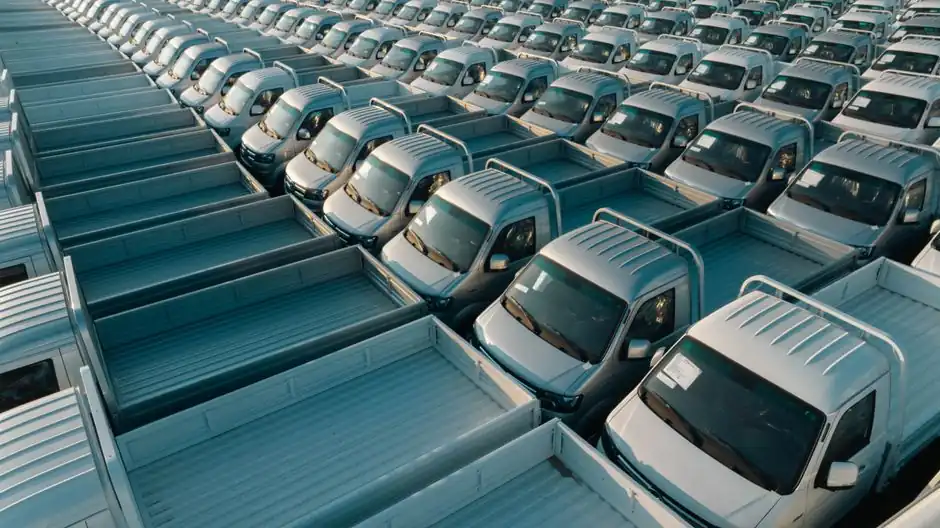
FIBC bulk bags rated 500-4,000 lb with 5:1 or 6:1 safety factors are the standard shipping format for dry automotive inputs, including PP/PA resin, EPDM granules, paint-line powder coatings, and small stamped components [S1]. Four-loop top-lift construction with 1,500-2,000 lb loop ratings is what the bulk bag handling system is engineered around, and the bag itself is the costliest component of that filling line [S1][S3].
Automotive plants rarely handle one bulk material: Tier-1 facilities run resin pellets, paint powder, friction-material granules, and cleaned metal trim through the same dock. That mixed flow is what makes a spec-first bulk bag selection process non-negotiable, rather than a procurement convenience [S2][S7].
Type A vs Type B vs Type C vs Type D: Which FIBC Matches the Auto Dock
FIBC static-control types are A (no static protection), B (up to 4 kV brush discharge), C (groundable conductive loops, breakdown voltage typically below 100 V to ground), and D (static-dissipative, no grounding required), and the right pick is governed by the lowest ignition energy of the product on site [S1]. Type C bulk bags require a verified ground connection during fill and discharge, while Type D bags use dissipative fabric to suppress incendiary discharge without grounding [S1].
For resin pellet intake, where dust is low and ignition energy is high, Type A or B is normally acceptable. For powder-coat feed to paint lines, where minimum ignition energy of epoxy or polyester powders is typically below 25 mJ, Type D is the default safe choice. For paint-line solvent wet-wipe waste or any flammable-liquid-soaked absorbents, Type C with documented ground loops is the only compliant option, and it must be specified as UN-certified if the shipping paper declares a hazardous material [S1][S6].
Safety Factor, SWL, and Loop Rating: The Numbers That Drive a 4,000 lb Bag
Standard safety factors are 5:1 for single-trip bags and 6:1 for reusable FIBCs, and every bag carries a safe working load stamped on a 6x9 inch document pouch along with UN certification codes such as 13/H2/Y [S1]. Four lifting loops rated at 1,500-2,000 lb each are sewn into the woven polypropylene body with reinforced stitching, which is what the forklift attachment engages during the lift cycle [S1][S3].
Bulk bag filling systems are designed for at least 2,000 lb and up to 4,000 lb payloads, with the inlet spout sized at 14-16 inches in diameter and 12-18 inches long, and discharge spouts ranging 14-24 inches depending on the flowability of the product [S1][S3]. When the loop rating is undersized relative to the actual gross weight including product and liner, the bag fails at the stitch line, not the fabric, so loop rating is the binding constraint, not the safe working load on the label [S3].
FIBC vs Paper Bags vs Rigid Drums for Resin and Powder Flow
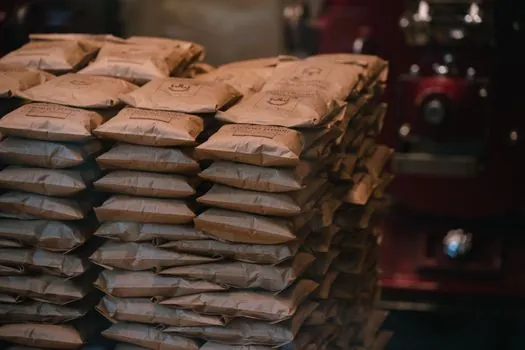
FIBCs consolidate product into a single package and reduce the number of individual units moving through production, storage, and shipping, which is the structural cost advantage over 50 lb paper sacks [S2][S3]. Paper bags add touches during filling, palletizing, transport, and storage, and they require stretch-wrap and pallet handling at every step, which raises labor cost in busy warehouses [S2].
Rigid drums and gaylords handle hazardous or ultra-pure loads but cost more per trip, take more storage space, and require tipping to unload, which raises spillage risk and operator exposure [S3]. For automotive resin, where volume is high and hazard is low, the bulk bag is the lower-cost format; for paint-line waste where UN certification is mandatory, rigid UN-rated packaging or UN FIBCs replace the standard FIBC [S3][S6]. Bulk bag selection also interacts with wider logistics packaging decisions on pallet footprint, and bulk bag format is one option inside that wider map.
Post-JIT Buffer Stock and FIBC Lead Time
Just-in-time logistics, conceived in the 1950s at Toyota, has been formally re-evaluated by plastics and chemical supply chains after pandemic and weather disruptions, with many buyers moving to buffer-stock inventory models [S4]. That shift directly raises the working volume of FIBCs at resin suppliers, which in turn lengthens FIBC lead times in the short term as producers rebuild safety stock [S4].
For automotive procurement teams the practical signal is to plan 6-12 months ahead on FIBC orders rather than running quarterly POs, and to lock the bag spec (Type, SWL, liner, UN code) so the supplier does not substitute under buffer-stock pressure [S4][S7]. The same buffer logic is reshaping how plants spec industrial valve and flow meter spares, since the spec is locked long before the unit ships.
UN Certification, Food-Grade, and Document Pouch Compliance
UN 13/H2/Y certification on the bag label confirms it has passed the relevant packing-group II and III drop, stack, and top-lift tests for solids in flexible packaging, which is the requirement when the bag itself is the declared UN packaging for a hazardous material [S1][S6]. UN FIBCs are mandatory for transport of hazardous materials and require the same certification chain as rigid UN packaging, with periodic retest on the design type [S6].
Food-grade FIBCs use virgin polypropylene resin, FDA- or EU-compliant inner liners, and a document pouch on the body, which protects the certificate of conformance from forklift abrasion and contamination [S1]. Even on non-food automotive lines, food-grade inner liners are commonly specified when the bag carries parts that are cleaned and shipped as service components, since the liner prevents fiber-shed contamination that would otherwise fail the cleanliness audit [S1][S7].
Where FIBCs Are the Wrong Tool in an Auto Plant
FIBCs are designed for dry, flowable materials, so any liquid automotive chemical (antifreeze concentrate, cutting fluid, oil) is out of scope for a standard bulk bag and must move in a drum, IBC, or UN-rated flexitank [S3]. High-value small components (fasteners, sensors, connectors) also underperform in a bulk bag because the bag is filled and emptied by spout, which makes part counting, FIFO, and pick-face replenishment harder than a rigid tote or gear coupling kitting bin [S3][S7].
Explosive or peroxide-forming powder (some metal powders, certain coating catalysts) requires Type C with a verified ground and a documented hazard classification on the shipping paper; if the dock cannot guarantee a ground point on every fill station, Type D is the safer default even at higher unit cost [S1][S6]. For these exceptions, switching the format at the spec stage is cheaper than retrofitting a grounding program after an incident.
Selection Workflow: From Resin SKU to Bag Part Number
The standard automotive FIBC selection workflow starts with the product (resin, powder, granule, or component), assigns the static-control type (A, B, C, or D) from the minimum ignition energy and dust cloud data, picks the safety factor (5:1 single-trip or 6:1 reusable) from the trip count, sizes the SWL from the loop rating and the densest product variant, and finally layers the liner and UN code from the shipping paper [S1][S2][S7].
The order of precedence is product hazard, then trip count, then freight mode, then dock equipment, because a misstep at step one invalidates the rest of the spec. For mixed docks that also stage port logistics turnover box flows, the same logic applies at the container level, and the bag spec should be reviewed against any custom OEM or ODM tooling on the filling line before the PO is released [S2][S7]. Trackable next nodes: confirm whether the resin supplier is moving from Type B to Type C after 2025 powder-dust incident data, and whether buffer-stock rules push standard lead time past 8 weeks by end-2026.