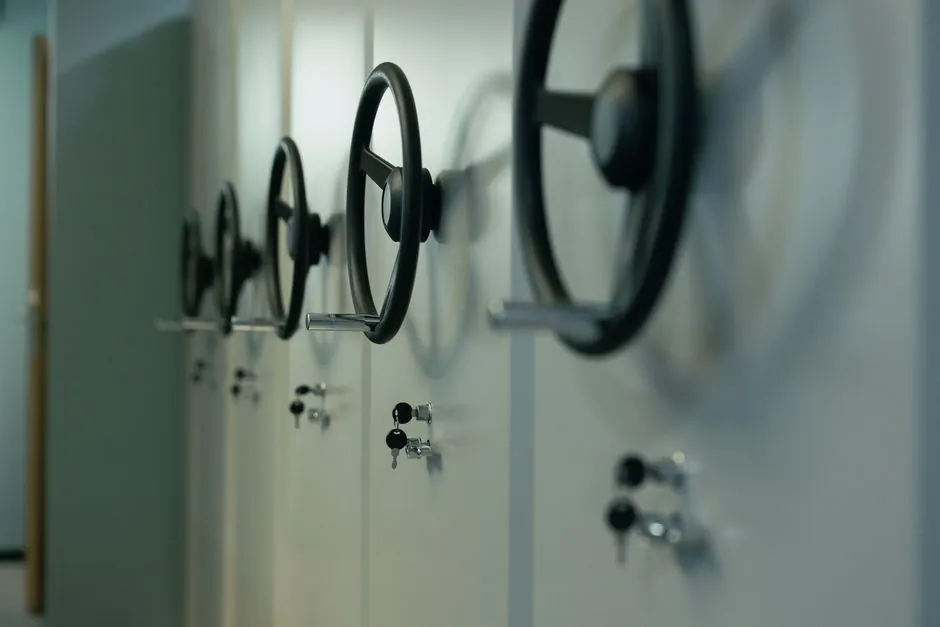
Steel fire-rated assemblies rated up to 3 hours are the baseline door spec for U.S. data-center white space, transformer vaults, and UPS rooms, with smoke-leakage rated to UL 1784 layered onto the same openings [S2][S3].
Specifiers in 2026 build the door schedule around four decision gates: fire-resistance rating in minutes or hours, smoke-leakage class per UL 1784, hardware integration with electronic access control, and the door's contribution to envelope U-factor at loading docks or exterior walls [S1][S2][S9].
Codes, Standards, and the UL Marking Stack
UL 10C evaluates fire doors for exposure to fire from the exterior side and is the primary positive-pressure test referenced in NFPA 80, while UL 1784 measures air-leakage rates of door assemblies under ambient and elevated temperature to qualify a door for the "S" smoke leakage suffix [S1][S3].
UL opening-protective certification covers a stack of attributes on a single label: fire rating (20, 30, 45, 60, 90, 180 minutes, or 3 hours), temperature rise (250 or 450 °F), smoke leakage (S-label), and means-of-egress compliance for the door's hardware set [S1]. For data centers, the typical interior compartment door is specified as a 90-minute or 3-hour listed assembly with an S-label and a panic or fire-exit hardware listing where the door sits on a means-of-egress path [S1][S2].
NFPA 75 and NFPA 76 govern the IT equipment room and telecom facilities respectively, and both reference NFPA 80 for the installation, inspection, and testing of fire doors; field labels, fusible-link louvers, and field-drilled holes void the listing, so any spec must be written against factory-labeled assemblies [S1][S7].
Steel Doors and Frames: the Default Material
Steel doors and frames are specified in the majority of data-center door schedules because of their listed fire ratings up to 3 hours, compatibility with electrified hardware, and structural capacity to carry heavy access-control devices [S2]. The Hollow Metal Manufacturers Association (HMMA) and Steel Door Institute technical data series cover frame gauge, reinforcement, and anchor patterns, with 16-gauge frames and 18-gauge face sheets being the typical minimum for labeled openings [S2].
For transformer vaults and battery rooms, an additional consideration is that some jurisdictions require temperature-rise ratings of 250 °F (instead of the default 450 °F) on the unexposed face of the door, which limits the glazing area and forces solid-panel construction unless a listed fire-rated glazing lite is used [S1]. Frames in high-traffic corridors should be specified with welded masonry anchors or welded steel-stud anchors, not the snap-in or compression anchors used in office tenant fit-outs, because data-center door cycles can exceed 200 cycles per day at security mantraps [S2][S9].
Rolling, Sectional, and Specialty Door Types
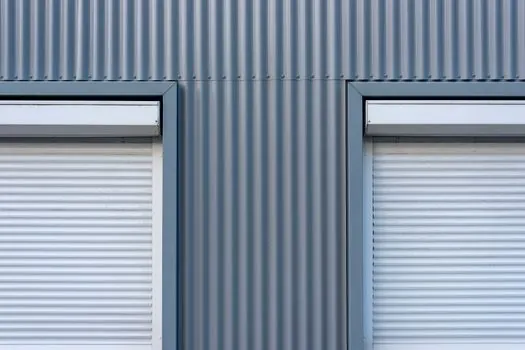
Coiling fire doors listed to UL 10B / UL 10C with fusible-link or smoke-detector release are commonly used at vehicle bay openings, equipment corridors, and between data halls where a swing door is impractical because of floor slope, ductwork, or loading-dock equipment paths [S3][S4]. A typical 1-hour fire-rated roller shutter is described in vendor literature as the data-center go-to for large openings because it provides both fire and smoke containment in a single motorized package [S8].
Insulated sectional doors with stucco or woodgrain-embossed steel exteriors in flush, ribbed, or raised-panel configurations appear on loading-dock and exterior equipment-yard openings; U-factor, R-value, and NFRC-rated glazing in lites are the selection criteria here rather than fire rating alone, because the dominant code path is energy code compliance plus a separate fire-rated coiling door for the rated wall [S9].
Elevator smoke curtains listed to UL 1784 are a related but distinct product: they seal elevator lobby openings against smoke migration in a fire scenario and are coordinated with the fire-rated door schedule rather than substituting for it, because the curtains address smoke leakage while the rated door addresses fire resistance [S3].
Fire-Rated Glass and Glazed Lites
Fire-rated glazing in data-center vestibules, NOC rooms, and corridor view panels must be listed as a complete assembly (glass + frame + glazing tape) with a rating matching the door, typically 60 to 120 minutes for interior human-occupancy doors, and 45 to 60 minutes for transformer and UPS-room observation panels where the unexposed-face temperature-rise rule applies [S5].
Ceramic typically carries higher impact and longer ratings with better optical clarity post-fire, while laminated intumescent products rely on a foaming interlayer to maintain integrity and often ship with a wire-mesh or filmed surface to hold shards in place during the fire event [S5]. Vetrotech and similar vendors package complete framing systems (slimline, butt-joint, curtain wall) so the door, sidelite, and transom are listed as one assembly, which is the only way to keep the UL label valid on a glazed opening [S5].
Selection Criteria Comparison: Steel vs. Rolling vs. Glazed

Across the three dominant data-center door families, the decision grid is roughly: steel swing doors win on rating ceiling (up to 3 hours), hardware integration, and cost for human-occupancy openings; coiling fire doors win on opening size (up to ~30 ft wide), motorized operation, and tight headroom conditions; fire-rated glazed assemblies win on corridor visibility, NOC sightlines, and code-mandated observation points in transformer or UPS rooms, but lose on cost-per-square-foot of opening [S2][S3][S5][S8].
For loading-dock and equipment-yard envelopes, insulated sectional steel doors with low U-factor and NFRC-rated glazing are the spec for the energy code, while a separate fire-rated coiling door handles the rated wall, so the door schedule is rarely a single-product choice on a real project [S9].
Hardware, Access Control, and Maintenance
Listed fire doors lose their listing the moment a field-drilled electric strike, surface-mounted closer, or non-labeled continuous hinge is added, so the hardware set must be specified as part of the listed assembly or carry its own UL category listing for the door's rating [S1][S2]. Electrified mortise locks, request-to-exit devices, and electrified hinges are the typical package; biometric and RFID readers are mounted on the frame face, not the door face, to keep the labeled door surface intact [S2].
NFPA 80 requires annual inspection and drop-testing of fire-door assemblies, and data-center operators typically layer this onto their quarterly maintenance walk-down, with the acceptance criterion that gaps at head and jambs stay at or under 1/8 inch and that the self-closing device fully latches from any open position [S1]. Failure to close-and-latch under drop test is the single most common reason fire-rated door assemblies fail inspection in operational data centers, ahead of label-legibility and fastener issues [S1].
Use Cases: Where Each Type Actually Goes
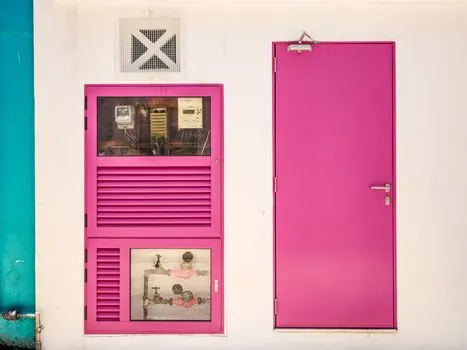
In a typical 5 MW to 30 MW data-center fit-out, steel 90-minute or 3-hour swing doors with S-labels sit at data-hall entries, UPS-room entries, generator-room entries, and transformer-vault entries; coiling 1-hour or 2-hour fire doors sit at equipment-bay openings between the loading dock and the data-hall corridor; fire-rated glazed assemblies sit at NOC rooms, security-mantrap vestibules, and corridor view panels into battery rooms; and insulated sectional doors sit on the building envelope at the loading dock and exterior equipment yards [S2][S3][S5][S8][S9].
For hyperscale builds with liquid-cooling rear-door heat exchangers, the door schedule also has to coordinate clearances for rear-door piping, which is why coiling and pocket-style fire-rated assemblies are gaining preference over swing doors in cold-aisle containment corridors [S9]. A spec-side signal worth tracking: hyperscale operators are standardizing on 3-hour listed steel frames even for 90-minute doors, because frame gauge and weld quality drive hardware-cycle life on the high-traffic entries [S2].
For spec engineers comparing data-center braking and motion-control hardware against the door schedule, the brake-resistor selection guide for data-center VFD duty covers the drive side; for a parallel decision on warehouse-side access hardware, the checkweigher spec map for warehouse automation is the closest peer process, even though it is not a door topic. Background on the fire door category and the broader fire-rated door assembly family is in the reference encyclopedias, and the aluminum door and window framing context applies to glazed fire-rated door framing systems [S5].