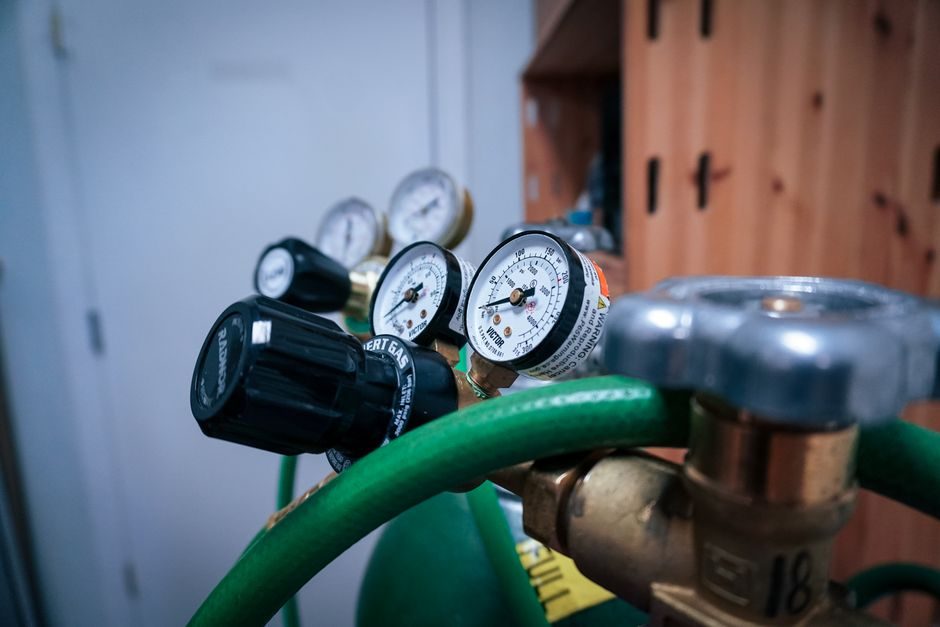
For most 2026 process builds, the right flow instrument is the one whose measurement principle is physically compatible with the process fluid and whose turndown covers the full operating window — not the one with the longest brochure [S1][S2].
Buyers in mid-2026 are weighing magnetic-inductive units such as the ProSense FMM50-1002 (1/2 in NPT, 0–6.6 GPM, –4 to 176 °F) [S2], gear meters like the KEM ZHM series for paint and coating lines [S1], and metal-tube rotor / turbine meters for battery-electrolyte service [S5], with hazardous-area marks increasingly required at the quote stage.
Start with the fluid, not the brand
Conductivity is the hard gate for magnetic-inductive flow meters: deionized water, hydrocarbons, and many oils do not meet the minimum conductivity threshold and will not register on a magmeter regardless of price tier [S2]. A gear meter (e.g. KEM ZHM) handles viscous paints and coatings where a magmeter would read near zero [S1].
Cleanliness drives the second gate: magmeters and Coriolis are generally tolerant of clean, single-phase fluids; turbine, vortex, and positive-displacement gear meters need strainers upstream and will drift or fail with particulate or fiber-laden streams. A practical pre-spec check is fluid conductivity for magmeter vs. viscosity ceiling for gear/turbine vs. cleanliness for vortex.
Turndown and line size set the operating envelope
Turndown ratio (max flow / min readable flow) is where projects quietly lose money. Vortex and magmeter units commonly deliver 10:1 to 30:1; Coriolis can reach 100:1 but at a price premium; gear and positive-displacement meters trade turndown for high accuracy on narrow ranges [S4][S5].
Line size matters as much as the number. Insertion-style magmeters and ultrasonic clamp-on units are commonly used on retrofits above 6 in to avoid full bore shutdowns, while 1/2 in to 2 in services typically use inline meters such as the FMM50-1002 [S2]. For marine fuel-oil and similar, dedicated marine flow meters are still sourced as engineered skids rather than commodity items.
Criteria-based comparison: pick on these four axes
Across 2026 catalog data, the main types line up against four decision criteria as follows [S1][S2][S5]:
• Magmeter (e.g. ProSense FMM50-1002): conductive liquids only, no moving parts, mid turndown, low pressure drop. Best for water, slurries below conductivity limit, chemical dosing — see also conductivity-meter selection for skid design.
• Gear / positive displacement (e.g. KEM ZHM): viscous, clean fluids, high accuracy at narrow turndown, tolerant of non-conductive media such as paints and oils [S1].
• Vortex and turbine: clean steam, gas, and low-viscosity liquids; turbine and metal-tube rotor meters dominate lithium-battery electrolyte lines [S5].
• Ultrasonic clamp-on and Coriolis: clamp-on avoids contact for retrofit and hygienic lines; Coriolis adds density and temperature in one run.
Differential pressure (orifice, Venturi, Pitot) is still specified against [ISO 5167] for custody and large utility lines, especially steam and flare gas where cost-per-accuracy rules the day.
Hazardous area, output, and integration in 2026 quotes
ATEX, IECEx, and Class/Division marks are no longer optional line items on most 2026 RFQs. Made-in-China chemical flow-meter listings now display CE and IECEx status directly on the product card, and procurement teams are filtering on that field at search time. Marine units ship with their own maker certifications and traceability chains. [S1]
Output protocol drives integration cost. 4–20 mA + HART remains the universal default for new analog-loop installs. Foundation Fieldbus and PROFIBUS PA are fully digital, two-wire replacements, not overlays on HART; mixing a HART-only transmitter onto a PA segment is a frequent spec error that surfaces only at commissioning. For battery-powered or remote sites, pulse output from a turbine or rotor meter feeds an energy-meter or data logger with no extra protocol gateway [S6].
Who a 2026 flow-meter guide is for — and who it is not
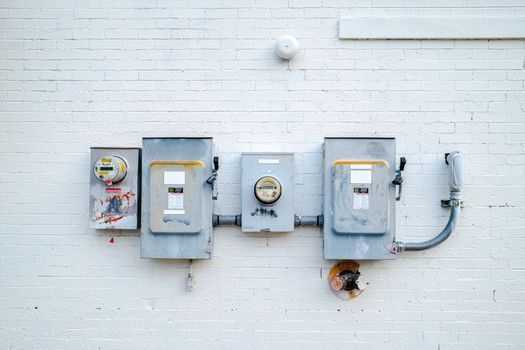
This guide is for process, instrumentation, and procurement engineers who already know the fluid, the line size range, the area classification, and the required output, and who need a defensible shortlist to send to vendors [S1][S2]. It is not a substitute for a vendor datasheet review against [ISO 5167] for DP work, ASME B16.5 / B16.34 for flange and body ratings, or NACE MR0175 for sour-service trim where applicable.
It is also not aimed at custody-transfer weighing, where a counter-meter or weigh system with legal metrology approval sits in front of the flow element, nor at sub-cubic-cm laboratory dosing where a gear or syringe pump is more honest than a process magmeter.
Real use cases seen in 2026 catalog and project data
Coating and paint lines: KEM ZHM gear meters specified for in-line volumetric dosing where conductivity-based meters are unusable [S1].
Chemical skid and utility water: ProSense FMM50-1002 magmeter on 1/2 in NPT lines, –4 to 176 °F, used for closed-loop control rather than custody [S2].
Battery electrolyte and lithium chemistry: metal-tube rotor, turbine, and inserted electromagnetic meters dominate the equipment list, with the manufacturer publishing explicit selection notes on nominal flow, viscosity, and pressure [S5].
Marine fuel and lube oil: engineered marine flow-meter skids from dedicated suppliers such as Ningbo Beilun Mingrun, ordered as packaged units with maker documentation.
Hazardous-area chemical service: suppliers are pre-listing CE and IECEx status on chemical flow-meter price pages to shorten RFQ cycles.
Limitations and failure modes to spec against
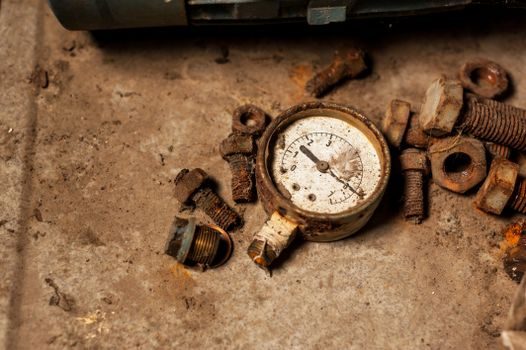
Magmeters fail silently on low-conductivity fluids and on partially-filled pipes; both must be ruled out by calculation, not assumed away [S2]. Gear and PD meters fail on particulate — a 60–80 mesh strainer upstream is normal, not optional [S1].
Vortex meters lose accuracy below their minimum Reynolds number and on multi-phase flow; turbine meters drift with viscosity change and need periodic re-k-factor verification. Ultrasonic clamp-on depends on adequate straight run and a clean, decoupled pipe wall, and will misread on lined or corroded piping. None of these are defects — they are operating-envelope boundaries that must be locked in the datasheet, not discovered on site.
Track the next two signals in late 2026: (1) how often vendor cards combine IECEx + Ethernet-APL on the same model, since that pairing shortens skid integration, and (2) whether more marine and chemical-supplier catalogs start exposing calibration certificates as machine-readable PDFs, which is the practical next step beyond CE/IECEx badges.