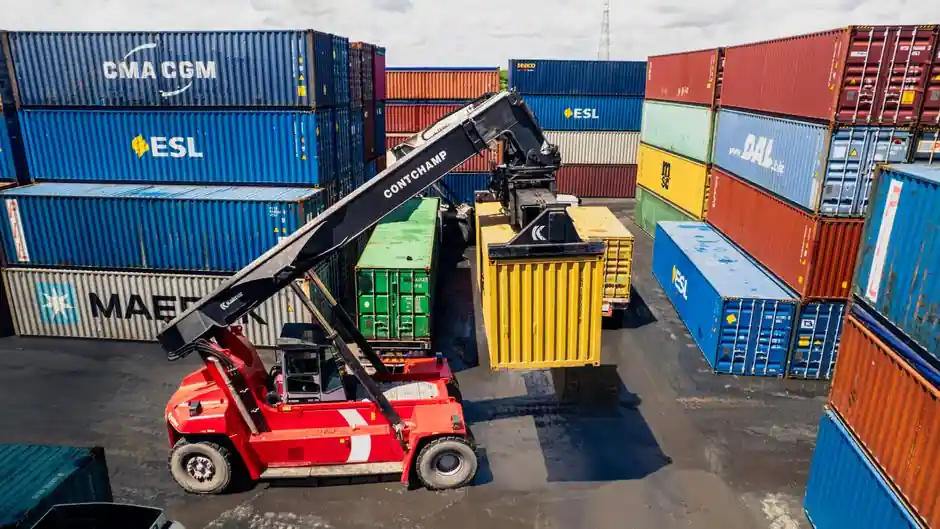
A forklift monthly rental is most economical for defined projects or fluctuating demand, while a lease normally suits continuous daily use because it spreads the capital cost over several years and may retain a purchase option [S3][S4].
The comparison covers four commercial structures: short rental, monthly rental, multi-year lease, and purchase, with contract duration, maintenance responsibility, upfront cost, and end-of-term flexibility determining the result [S1][S4].
Monthly Rental or Lease: Decision Thresholds
Use a monthly rental when demand is known but temporary, equipment is needed quickly, or the operation lacks a planned replacement program. Use a lease when the same forklift supports core work every day, the required configuration is stable, and the business wants to avoid a large initial purchase while retaining predictable monthly payments [S2][S4].
The appropriate rental structure depends on workflow demands, seasonal needs, operating patterns, equipment requirements, and related business factors rather than a calendar label alone [S2].
Cost Comparison: Four Forklift Acquisition Structures
Short-term rentals offer greater flexibility and lower upfront cost, while rental economics depend in part on how long the fleet would otherwise remain idle [S2][S5]. A lease generally has a multi-year fixed term, monthly payments, and often an end-of-term purchase option; purchase requires the full capital outlay but leaves the owner with the asset [S3][S4].
Long-term rental providers may discount weekly or monthly rates when they accept a minimum term because their risk of the unit remaining idle falls [S5]. The saving is not automatic: request the complete monthly payment, rate escalator, minimum term, delivery charge, and service responsibility rather than comparing headline daily rates alone.
Maintenance, Upfront Cost, and Contract Control
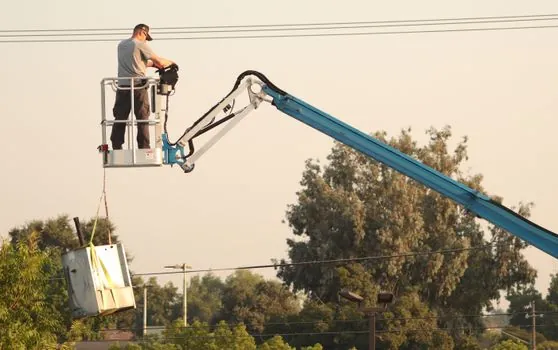
Renting can avoid the purchase price of a forklift, but the available evidence does not establish that monthly rentals normally include maintenance and repair [S1][S4]. Service and repair should be considered when deciding between renting and buying a forklift [S5].
A lease may also include maintenance services, but that must be verified in the proposal because “lease” does not automatically specify every service item [S4]. Compare engine or battery exclusions, preventive-maintenance frequency, parts charges, labour, tire charges, and response time. If the provider owns maintenance, document whether a failed truck is repaired on site or exchanged for an equivalent unit.
Contract duration determines negotiating power and exit cost. Short-term and monthly rental arrangements support faster fleet adjustment, whereas a lease extends for several years and can include a purchase option [S4]. Require the renewal date, notice period, early-termination formula, minimum-hours limit, overtime rate, fuel or energy policy, transport charges, damage liability, and any purchase-option price in writing [S1].
Operator, Fleet, and Equipment Suitability
The forklift specification must match the material-handling task before the commercial structure is selected, including load weight, lift height, aisle geometry, floor condition, and attachment requirements. If an attachment changes the truck’s operating characteristics, read the forklift capacity data plates before adding attachments and record the rated capacity for the complete configuration. [S2]
Forklift capabilities vary by power source and application. For a multi-year lease, verify charging access, battery replacement responsibility, propane-fuelling arrangements, or diesel-fleet support before accepting the equipment.
Operator availability is part of fleet sizing. Neither training responsibility nor operator certification should be implied by the contract alone; each must be assigned explicitly.
Who Should Choose Each Structure

A monthly rental is suitable for seasonal capacity, emergency replacement, warehouse reconfiguration, relocation, inventory projects, and equipment evaluation. Short-term forklift rentals are intended to cover spikes in business or inventory counts and to bridge periods before a business moves to a different location [S5].
A long-term lease is suitable for daily loading, unloading, and goods movement where demand is stable and fleet size has been justified. Buying becomes more attractive when utilization remains high and the business is prepared to manage depreciation, service, parts, and eventual resale directly [S4][S5].
Monthly rental is a poor choice when the forklift is required continuously and the rental rate is being extended indefinitely without reviewing the accumulated cost. A lease is a poor choice when the workload is seasonal, site changes are likely within the term, or the business may need to exit quickly. For broader equipment comparisons, the forklift encyclopedia entry provides a neutral starting point for matching truck type to the operation.
Procurement Method and Contract Checklist
Model the comparison with at least four totals: first-month payment, total payment over the planned term, maintenance exposure, and exit cost. Add delivery, pickup, deposits, taxes, fuel, attachments, insurance, and downtime risk where the quotes apply them. The research supports the cost distinction, but it does not provide a universal rate table, so a defensible decision requires like-for-like supplier quotations [S1][S3].
For monthly rental, request 3 quotations using the same duty cycle, duration, configuration, and service level. For a lease, request the total fixed payment, escalation clause, initial capital or security deposit, maintenance schedule, residual-value assumptions, and end-of-term purchase price. This approach also supports the related decision between construction fleet financing, lease, or loan, where total cost and exit flexibility are evaluated rather than the headline monthly figure alone.
Approval should require a named utilization scenario, duration, and replacement trigger. A defensible monthly-rental case identifies the date or condition that ends the rental. A defensible lease case includes the operational requirement that keeps the truck deployed throughout the multi-year term. If neither condition can be stated, the commercial terms will not resolve the equipment risk.
The next trackable signal is the delivered fleet utilization: sustained daily use should trigger a lease or purchase comparison, while repeated short hires with gaps should trigger a monthly-rental renegotiation and a dated return plan [S1][S2].