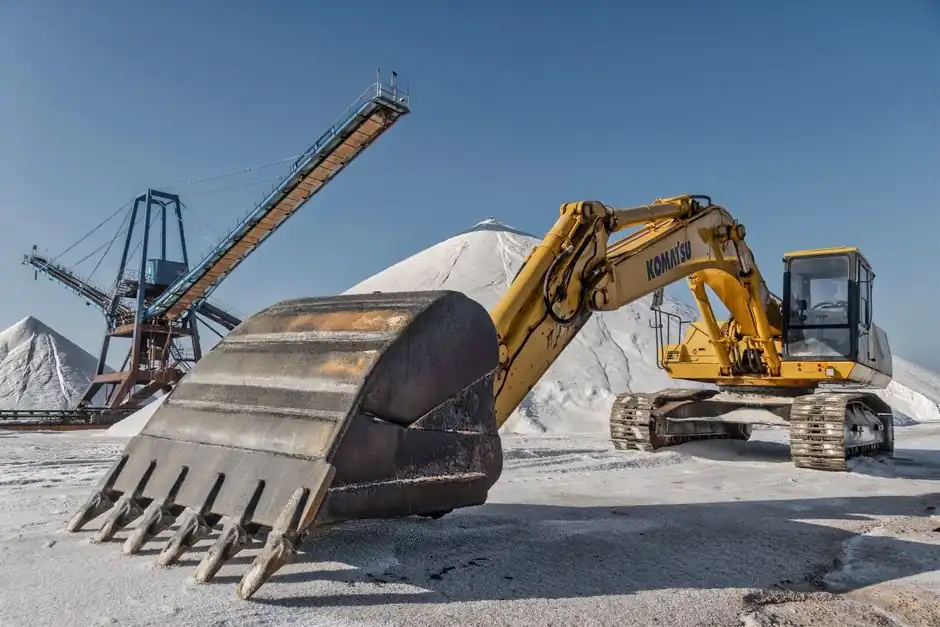
Mining sites expose workers to methane (CH4), carbon monoxide (CO), hydrogen sulfide (H2S), sulfur dioxide (SO2), nitrogen oxides (NOx), oxygen deficiency, and radon progeny, and a controller selection process that begins with the gas list rather than the instrument catalog is the only path to a defensible specification [S1][S3][S5].
Three sensor families dominate: infrared (IR) for hydrocarbons, electrochemical for toxic gases such as CO and H2S, and catalytic bead for combustible gas detection; wireless and Modbus-connected fixed monitors layer on real-time data delivery, which is essential for ventilation control in longwall and open-cut environments [S2][S3][S5].
Build the Selection Around Atmospheric Hazards, Not Sensor Count
Federal U.S. regulations require coal mining operations to continuously monitor methane and oxygen on every piece of drilling equipment, with machine-mounted detectors calibrated to alarm at 1% methane concentration or higher, and that requirement is the floor, not the ceiling, of an underground coal-mine gas alarm controller specification [S4].
A sensor that reads more gases is not automatically safer; portable four-gas monitors clipped to a miner's belt can warn of personal exposure, while fixed controllers at the face, return airway, and belt drift cover the area, and a mining safety program needs both, paired with audible sirens, flashing lights, and strobes tied to controller outputs [S3][S4].
The first design step is therefore a hazard assessment that lists every credible gas source, including diesel exhaust (NOx), post-blast fumes (CO, NOx), organic decomposition (H2S), and strata emissions (CH4, radon), and maps each gas to a sensor technology, an alarm setpoint, and a controller channel [S1][S3][S5].
Sensor Technology Comparison for Mine Controllers
IR sensors offer fast response and high accuracy for methane, do not suffer catalytic-bead poisoning, and are the preferred LEL channel for headface and return-airway fixed controllers, but they cannot detect H2S or CO and must be paired with electrochemical cells for the toxic-gas channels of a multi-gas gas alarm controller [S5].
Electrochemical sensors produce a current proportional to gas concentration, deliver precise CO and H2S readings, and are compact enough for personal monitors, yet they drift with temperature and humidity, require bump testing on a documented schedule, and are the channel most often responsible for false alarms in underground coal [S3][S5].
Catalytic bead sensors detect combustible gas through oxidation heat on a catalyst and are low cost, but silicone, sulfur, and lead compounds poison the catalyst, which is why dual-filament LEL designs (two active filaments in one sensor) are now specified for high-dust headings to extend service life when one filament is contaminated [S1].
Wireless gas monitors such as the Rosemount 928 Wireless Gas Monitor reduce cabling in hostile headings, but wireless is a transport layer, not a sensor technology, and the controller must still validate calibration records, alarm setpoints, and event logs on a periodic basis [S3][S5].
Fixed vs. Portable: A Criteria-Based Comparison
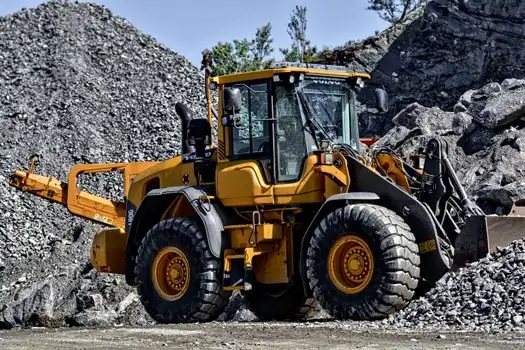
Fixed controllers install at strategic points (intake, face, return, belt drive, refuge chamber), accept four integrated sensor heads in a single enclosure, expose RS485 Modbus registers for the surface SCADA, and log calibration and alarm history, which is the configuration the SMARTSENSE SSFM-100-class fixed monitor uses to feed a perimeter alarm layer around the mine [S3].
Portable monitors run on the miner's belt, sample four gases simultaneously (O2, H2S, CO, combustible), and have dual audible alarm ports and tri-sided LED arrays so the alarm is visible in 100 dBA headings, which is a hard requirement for confined-space monitors rated to MSHA confined-space standards [S1].
Open-cut coal operations in Queensland still rely primarily on portable electronic detectors for day-to-day coverage, supplemented by fixed area monitors at high-risk equipment, because the ventilation geometry of a strip pit does not produce the same methane stratification as a longwall [S6].
Underground hard-rock and metal/nonmetal mines face MSHA approval requirements only when classified as gassy; the controller architecture can shift from a four-channel fixed monitor to a distributed wireless mesh once MSHA gassy-mine classification is confirmed on the panel [S3][S7].
MSHA Approval, Calibration, and Failure Modes
Certain equipment used in underground coal and gassy underground metal and nonmetal mines requires MSHA approval or certification for the intended application, and a controller that is not MSHA-approved cannot be installed in those atmospheres regardless of its sensor performance [S3].
Calibration drift, sensor poisoning, and ventilation-pattern changes cause unreliable readings more often than sensor failure, so a controller specification must include documented bump-test intervals (typically before each shift for toxic-gas channels), calibration-gas concentration traceable to NIST, and a maintenance log of sensor replacement dates [S1][S3][S5].
Failure modes specific to mining include: water ingress on conveyor-side installations (IP65 minimum, IP67 preferred); dust loading on catalytic-bead and IR optics in longwall dust; and RF interference on wireless links from VFD-driven conveyors, which is why fixed controllers with wired RS485 Modbus remain the baseline for fire alarm control panel integration in the same equipment room [S3][S7].
Integration With Ventilation, SCADA, and Site Safety
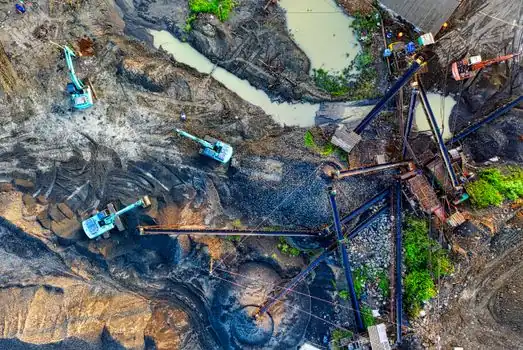
Real-time gas concentration data feeds mine ventilation control directly, allowing operators to raise or lower fan speeds, open or close regulators, and trigger fresh-air brattices before a gas cloud reaches explosive concentration, which is the operational reason a controller is never specified as a standalone device [S2].
A controller that exposes programmable alarm setpoints, dry-contact or Modbus outputs, and event logging can be wired into the mine's broader gas analyzer layer, into the mining dump truck refueling interlocks to prevent hot-vehicle fueling near a CH4 release, and into the surface SCADA for trend archiving [S2][S3].
Common procurement mistakes include specifying on sensor count alone, omitting calibration-gas and bump-test consumables from the RFQ, ignoring MSHA approval for the actual mine classification, and underestimating the maintenance burden of electrochemical cells in hot, humid workings [S3][S7].
Selection Criteria Mapped to Mine Type
For U.S. underground coal mines, the minimum controller is MSHA-approved, machine-mounted methane and oxygen monitoring with a 1% CH4 alarm setpoint, supplemented by portable four-gas personal monitors and a fixed infrared CH4 head at the return airway [S3][S4].
For underground metal/nonmetal mines that are not classified gassy, the controller can shift to a fixed multi-sensor unit with IR CH4, electrochemical CO and H2S, and an O2 cell, networked over Modbus to the surface, with portable monitors reserved for entry-team and confined-space work [S3][S5].
For open-cut coal and large hard-rock pits, portable four-gas monitors dominate, fixed area monitors are placed at refueling stations, crusher houses, and ventilation raises, and the controller spec is driven by diesel-exhaust NOx and CO rather than methane stratification [S6].
For tunneling and mine-construction contracts adjacent to active workings, a hybrid architecture of fixed controllers with wireless sensor heads and portable personal monitors is common, with a documented bump-test and calibration schedule that survives the contractor handover [S7].
Standards, Sourcing, and Procurement Signals
U.S. coal and gassy metal/nonmetal mine controllers must carry MSHA approval for the intended application, a non-negotiable line item; outside the U.S., the equivalent regimes (ATEX for the EU, IECEx internationally, state-based schemes in Queensland and New South Wales) require explosion-protection certification matched to the zone classification [S3][S6].
A defensible RFQ for a mining gas alarm controller lists the target gases with concentration ranges, the sensor technology per gas, alarm setpoints in ppm or %LEL, output protocol (Modbus RTU/TCP, 4-20 mA, dry contact), enclosure rating (IP65 minimum, IP67 in wash-down areas), power input (12/24 VDC or 110/230 VAC), and a calibration-gas and spare-sensor schedule for a defined operating period [S3][S7].
Buyers should track the MSHA approval status of the specific model number (not the family), the manufacturer's stated sensor life in months, and the availability of a documented Modbus register map, all of which are observable signals that separate a mine-ready controller from a generic industrial unit [S3][S1].
For adjacent safety-instrumentation work, an explosion-proof vs anti-static spec-first selection walk-through pairs naturally with the controller selection above, and a fixed gas detector certification checklist for wastewater plants supplies the same calibration-documentation template that an MSHA audit will expect on the mining side.