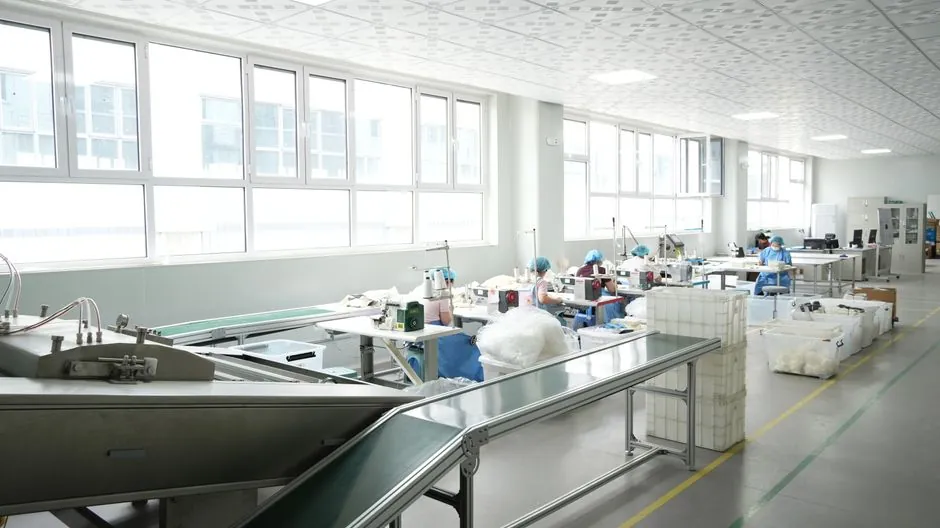
The 2026 supplier landscape for gas chromatograph (GC) hardware splits cleanly into two camps: process/online GC vendors (Emerson Rosemount, ABB, AMETEK, Siemens, Yokogawa, Honeywell) and lab/benchtop GC vendors (Agilent, Shimadzu, Thermo Fisher, PerkinElmer, Bruker, LECO, Waters) [S1][S3].
Specifying engineers should anchor the buy on three hardware-level decisions: detector family (TCD, FID, MS, PFPD, FPD, BID), column format (packed, micro-packed, or capillary), and for online units the hazardous-area certification (ATEX/IECEx Zone 1 or Class I Div 1) plus the analyzer shelter rating [S2][S6].
Process GC vs Lab GC: Two Distinct Supply Chains
Online process gas chromatographs are designed for unattended C1–C6+ hydrocarbon, H2S, CO2, and natural-gas energy content measurement, and are sold by Emerson (Rosemount 700/1500/370XA lines), ABB, AMETEK, Siemens, Honeywell, and Yokogawa [S2][S6]. Lab GCs from Agilent, Shimadzu, Thermo Fisher, PerkinElmer, Bruker, LECO, and Waters target environmental, food, pharma, and forensic workflows where method flexibility dominates uptime considerations [S3][S9].
Procurement lists maintained in 2026 consistently include 19 lab-oriented makers (ABB, Agilent, APIX Analytics, Bruker, Buck Scientific, Falcon Analytical, GOW-MAC, Inrag, JEOL, LECO, OI Analytical, PerkinElmer, Quadrex, Shimadzu, SRI Instruments, Teledyne Tekmar, Thermo Fisher, Waters, Zoex), confirming the breadth of the lab supply base [S3].
2026 Online GC Vendor Map and Application Specialties
Five companies dominate the 2026 process-GC supplier list published by industry analysts: ABB, Emerson Electric, Honeywell, Yokogawa, and Siemens [S6]. Emerson positions its Rosemount portfolio as an industry standard for natural gas and process gas composition, including Btu/CV, specific gravity, and trace H2S on a single analyzer [S2].
AMETEK Process Instruments and AMETEK MOCON offer continuously operating GC hardware for single or multi-component monitoring in industrial streams [S1][S7]. Metoree's August 2026 ranking surfaces PAC L.P. and Drawell as additional ranked chromatographic-gas suppliers, illustrating the spread beyond the top five [S4].
Detector and Carrier-Gas Hardware Trade-offs
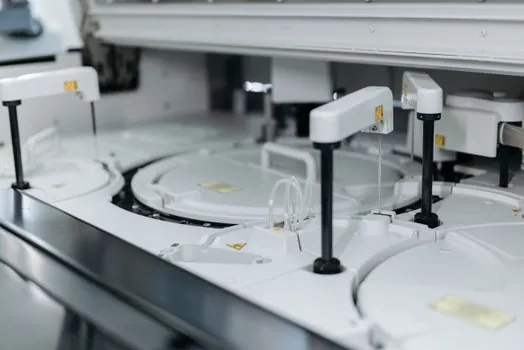
Detector choice drives both price and suitability: thermal conductivity detectors (TCD) handle permanent gases and H2; flame ionization detectors (FID) cover hydrocarbons down to sub-ppm; mass spectrometry (MS) and barrier ionization (BID) extend speciation for trace unknowns [S3][S9]. Carrier-gas plumbing also matters: helium remains the default for capillary lab work, while hydrogen and nitrogen dominate online and refinery process units for cost and run-time reasons.
Method-driven specs, including column ID, film thickness, and oven ramp, are covered in detail for engineer-side selection in this column, detector, and carrier-gas reference on GC sizing and selection, which sits alongside the supplier map covered here.
Refurbished, Service, and Reconditioned Channels
Refurbished Agilent GCs, autosamplers, and detectors, restored to OEM specification, are listed by specialist resellers with on-hand inventories of 86 GC line items spanning autosamplers, GC-MS systems, and accessories [S5]. For capital-constrained food, environmental, and cannabis labs this channel shortens lead time from 8–14 weeks for a new unit to 2–4 weeks.
Distinguishing refurbished inventory from new OEM build slots matters for warranty terms: OEM new units typically ship with 12-month warranty, while certified-refurbished systems carry 90–180 day coverage depending on the seller [S5].
Selection Criteria Comparison: Online vs Lab vs Refurbished
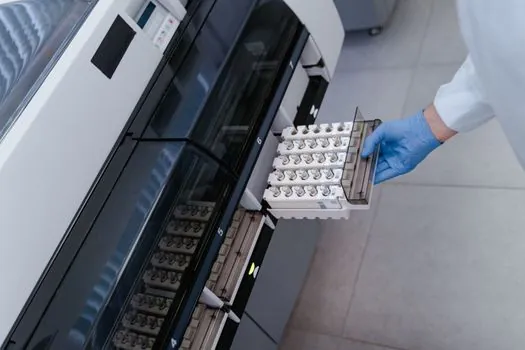
For procurement engineers, the three buying routes compare against the criteria below:
Online process GC (Emerson, ABB, AMETEK, Siemens, Yokogawa, Honeywell): new unit $25,000–$120,000, hazardous-area certified, multi-year service contracts, suited to continuous natural-gas, refinery, and petrochemical streams [S2][S6].
Lab benchtop GC (Agilent, Shimadzu, Thermo Fisher, PerkinElmer, Bruker, LECO, Waters): new unit $15,000–$80,000, method-flexible, no continuous-duty certification, dominant in environmental, food, and pharmaceutical workflows [S3][S9].
Refurbished lab GC (reseller channel): typically 40–60% of new price, 2–4 week delivery, shorter warranty, sensible for methods labs with stable SOPs [S5].
Industry Applications and Method Coverage
Food and beverage labs increasingly specify GCs for residual solvents, flavor profiling, and pesticide screening, with dedicated guidance on detector and column choice available in this food and beverage GC selection guide. Process GCs continue to anchor custody-transfer and pipeline-quality measurement in natural gas, with Emerson Rosemount models marketed specifically for energy content (CV/Btu) and H2S reporting per AGA 8 / ISO 6976 calculation methods [S2].
Industrial hygiene, refinery, and biogas measurement rely on the same detector families but with different calibration gas standards, methane-vs-air matrix handling, and shelter climate specs (typically 0–45°C ambient for analyzer cabinets, with -20°C cold-start options for remote sites) [S2][S7].
Standards, Compliance, and Sourcing Cautions
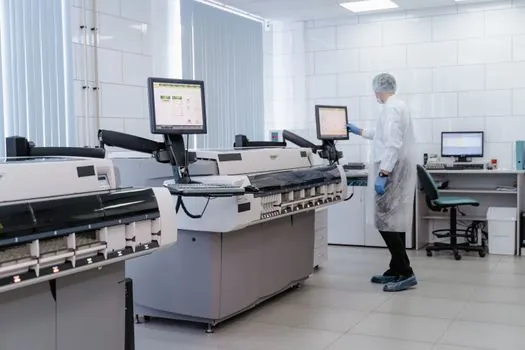
Process GCs deployed in European chemical and refinery plants are commonly specified to ATEX 2014/34/EU for Zone 1 hazardous areas, with IECEx as the parallel international scheme for non-EU sites [S2]. Lab GCs sold into regulated pharma workflows reference USP 467 for residual solvents, EPA TO-14/TO-15 for ambient air, and 21 CFR Part 11 for electronic records [S3].
Specifying engineers should confirm analyzer shelter climate, carrier-gas cylinder redundancy, and sample-conditioning system dew point against the stream composition before committing to a single vendor, since these three items drive field uptime more than detector sensitivity [S2][S7].
Buyer Watch List for the Next Quarter
Track three signals: 2026 supplier ranking updates from Metoree and Research and Markets, which the August 2026 release showed already splitting top-five process-GC vendors (ABB, Emerson, Honeywell, Yokogawa, Siemens) from a longer lab tail [S4][S6]; any IEC 60079-0 and ATEX certificate refreshes for the analyzer shelter on existing Rosemount 700/1500/370XA fleets; and method-specific regulatory changes (USP, EPA TO series) that may force detector upgrades on installed lab units [S2][S3].
The underlying component specifications are covered under gas chromatograph, construction machinery and equipment, and lamps and light fittings.