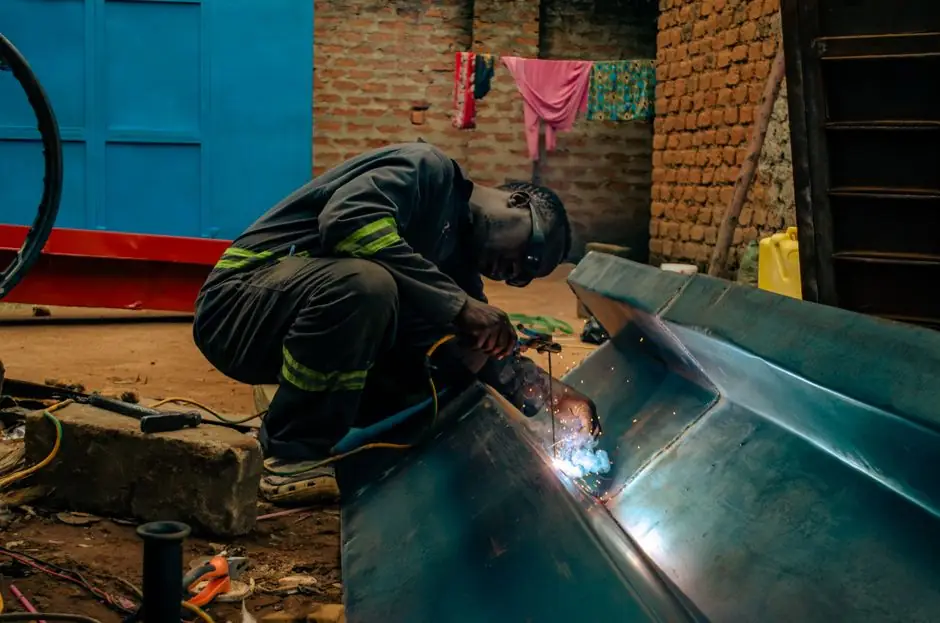
Electric die heaters can preheat dies before production, reduce initial rejects, and maintain die temperature during production breaks [S3].
The practical choice is not simply fuel versus electricity: torch heating suits portable, short setup tasks, while electric systems suit scheduled production, controlled ramps and dies requiring repeatable surface temperatures [S1][S3].
Process Targets for Gravity Die Preheat
Preheating is essential because cold die steel exposed to molten aluminium undergoes severe thermal shock as its surface temperature rises from an ambient temperature of 20–30°C [S1].
A die that is too cold can produce misruns, cold shuts, and poor surface finish, whereas a die that is too hot can produce gross shrinkage porosity, extended cycle times, die soldering, and accelerated die fatigue [S1].
The distinction between preheat and production temperature is critical. A 150–200°C starting point protects the die during initial filling, while controlled cooling then balances cyclic metal heat input against heat extraction to maintain the higher production window [S1].
Die temperature affects filling, directional solidification, surface reproduction, dimensional stability and die life. A cold die can cause misruns, cold shuts and poor finish, while an overheated die can promote shrinkage porosity, longer cycles and aluminium soldering [S1].
Gas Torch: Speed, Portability and Local Risk
Gas-torch heating is useful where the die must be heated in position without installing heaters or heating channels. A torch can provide a fast initial response and requires little supporting equipment, making it practical for field setup, short runs and dies awaiting installation [S1][S4].
Gas-burner preheating can produce uneven heating, with hot spots and cool spots affecting repeatability [S5]. Flame impingement can also create local temperatures 100–200°F above the target in applications where manual torch control is used [S5].
Modern electric die heaters can reduce gas consumption and avoid unsafe open-flame gas burners [S3].
Surface checks alone can miss bulk-temperature differences, so measured points should cover heavy sections, cores and distant cavity areas [S1][S5].
Electric Heaters: Repeatability and Temperature Control
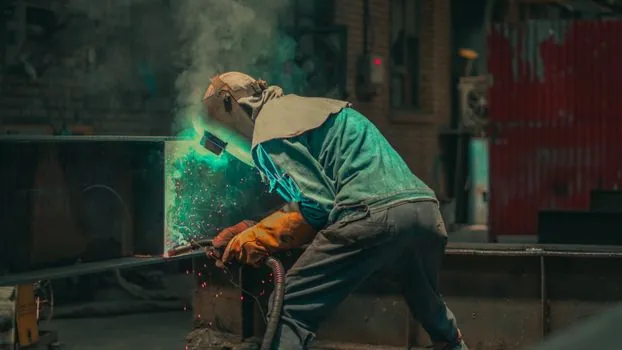
Electric die heaters eliminate open flame and offer programmed heating, PID control and substantially better spatial uniformity. Electric heaters for casting dies are designed for preheating dies used in gravity casting and high-pressure die casting [S3].
An electric die heater can be programmed to begin heating before the first shift so that production can start without waiting for the die to heat up [S3].
Electric systems can also be scheduled before a shift, installed in the die slot, maintain temperature during production breaks and accommodate dies that lack dedicated heating or coolant channels. These features reduce start-up rejects, thermal shock and the need for a separate combustion-heated furnace [S3].
Electric infrared heating adds a different approach: radiant energy heats the die surface without a burner flame, supports controlled heating in place and is used for die heating and mold preheating. Forced-air electric systems can also provide adjustable air temperature, flow and power for die-heating applications [S2][S4].
Decision Matrix by Operating Criterion
On portability, gas torch wins because the equipment can be brought directly to the die, while electric resistance or infrared systems require heaters, power connections, controls and a suitable heater geometry [S2][S3].
Manual torch heating introduces operator variability because flame distance, angle, and movement speed directly affect heat input [S5].
On uniformity, electric heating wins because it distributes heat through a controlled heater or radiant surface. Gas flames create hot spots where the burner dwells and cool spots between passes [S2][S3][S5].
On setup speed and capital, the answer depends on scale. A torch offers rapid deployment without heater installation, while electric equipment adds hardware but removes repeated manual attendance, supports start-up scheduling and can be reused across production cycles [S1][S2][S3].
Gas torch heating is suitable for portable setup, emergency warming and short-run preparation. Electric preheating is the stronger choice for scheduled aluminium production, quality-critical first shots and dies with temperature-sensitive cavities or cores [S1][S3].
Controls, Limits and Failure Modes
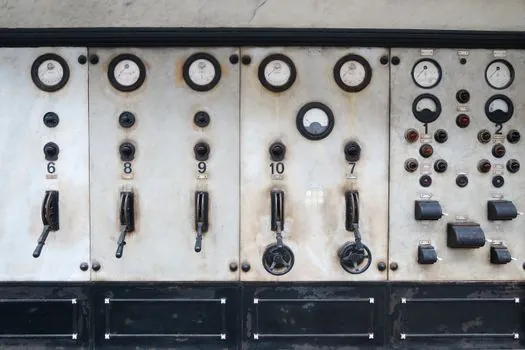
A controlled torch setup requires more than reaching one temperature reading. Flame distance, angle, movement speed, hot and cool spots, and readings at different surface locations all affect repeatability, and a single surface measurement may not represent the metallurgical temperature through a heavy section [S5].
Electric resistance heating also has design limits. Typical blanket specifications include 10–25 W/in² power density, maximum temperatures of 315–760°C depending on blanket type, heated widths of 150–305 mm on either side of a joint and multi-point PID monitoring with 3–6 thermocouples per zone [S5].
The most credible qualification depends on the production objective. For aluminium gravity dies, start with the 150–200°C preheat requirement, then define the alloy-specific 250–350°C production window and the cooling method before choosing equipment [S1].
Gas also introduces combustion products and hot-zone exposure near hoses, cables and factory personnel. Electric systems remove combustion soot and open-flame hazards, while forced-air equipment may produce negligible fossil-fuel use but still requires verification of airflow, temperature drop through insulated piping and control settings [S3][S4].
Do not treat the electric heater example as a universal rating: its 18 kW power, 600 × 450 mm zone and 200°C maximum are specific to the TS 18/200 model. Larger dies, heavier sections, higher target temperatures and longer heat-up allowances require separate sizing [S3].
Specification Checklist for the Purchase Decision
Specify the die mass, cavity dimensions, minimum preheat temperature, target production temperature, heat-up time, power supply, control method, thermocouple locations and heater footprint before comparing quotations [S1][S3].
For a torch proposal, request the burner type, fuel, tip size, working range, temperature-measurement plan, shielding arrangement and procedure for moving between cavity zones. For an electric proposal, request kW rating, heated area, maximum operating temperature, PID stability, insulation, thermocouple count, over-temperature protection and suitability for installation beside existing cooling lines [S3][S5].
Operational acceptance should include a measured heat-up profile from 20–30°C ambient, verification across multiple die zones, and documentation of the first-shot result. These checks distinguish a die that is nominally hot from one that is uniformly preheated [S1][S3][S5].
For a gravity die casting cell, specify electric heating when repeatability, operator safety and reduced start-up rejects outweigh heater cost; retain gas torch capability for portable or contingency heating. This split matches the strengths of each method without forcing one technique across every die and duty cycle [S1][S3].