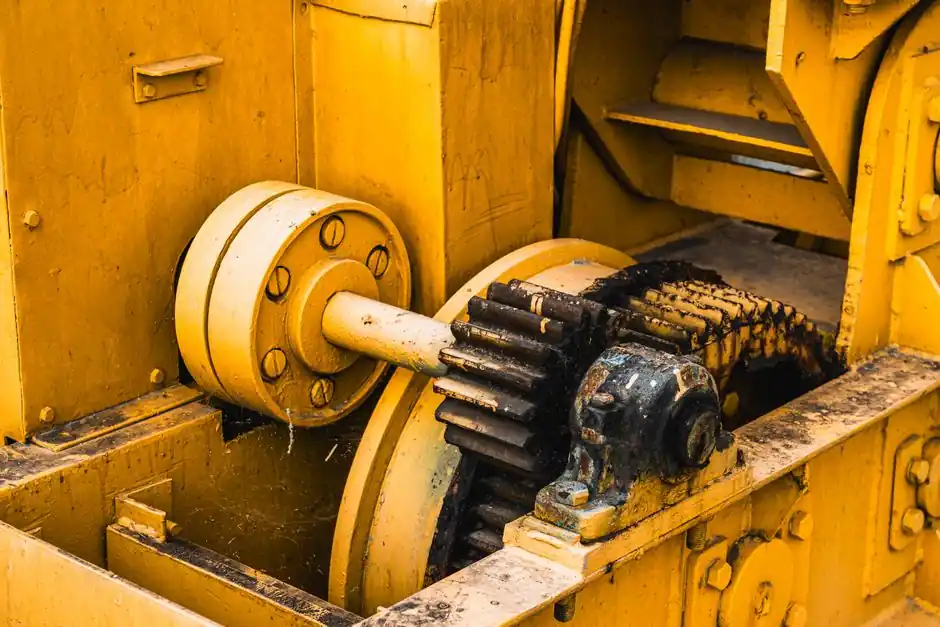
A hot-chamber gooseneck provides automatic melt delivery for low-melting-point zinc and magnesium, while a cold-chamber shot sleeve receives a measured aluminum dose for each cycle [S1][S2].
The choice governs alloy compatibility, shot-volume control, thermal load, cycle time, maintenance exposure, machine architecture, and the attainable clamp force and part size [S2][S8].
Gooseneck and Shot Sleeve Operating Principle
A hot-chamber gooseneck is an iron-based casting immersed in the holding bath. It contains the shot cylinder, a curved riser channel, and a fill port; when the plunger retracts, molten metal enters the cylinder, and when it advances, it closes the port and forces metal through the nozzle into the die [S3].
The nozzle connects the gooseneck to the sprue bushing of the die and must be kept hot so that the metal does not freeze in it. Keeping this connection hot prevents the metal from freezing between shots, while plunger rings seal against the cylinder wall [S3].
A cold-chamber machine instead keeps the holding furnace separate from the injection cylinder. For every cycle, a measured quantity is ladled or dosed into a horizontal or vertical shot sleeve, then a plunger advances through slow and fast shot phases and applies intensification pressure during solidification [S1].
Alloy Compatibility Drives the Architecture
Hot chambers are normally selected for zinc, magnesium, and compatible lower-temperature alloys, while cold chambers accommodate aluminum, many magnesium alloys, and selected copper alloys [S1][S8]. The decisive constraint is chemical attack on the immersed shot system, not simply melting point: molten aluminum can dissolve iron, which rapidly damages a submerged steel gooseneck, whereas zinc is compatible with a conventional hot-chamber arrangement [S2].
Some zinc alloys containing higher aluminum levels are better suited to cold-chamber operation despite zinc’s lower melting temperature [S2]. Alloy choice must therefore be confirmed from the exact grade and its casting temperature rather than selected only by alloy family.
The hot-chamber gooseneck must be matched to the alloy, plunger diameter, cylinder bore, gooseneck geometry, and nozzle length. Those four dimensions determine available shot volume and pressure on the metal, so replacing one component without recalculating the shot system can change fill behavior [S3].
Comparison by Cycle, Control, and Maintenance
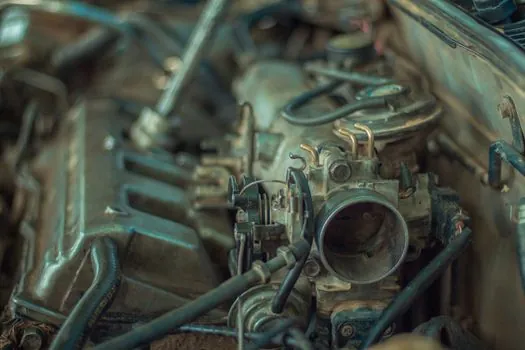
Cycle rate: hot chambers remove the per-shot ladling operation and refill the shot cylinder during plunger return, supporting shorter cycles. Cold chambers add a transfer step for every shot and therefore generally run more slowly, although automatic ladles and servo shot control can reduce variation and handling effort [S1][S2][S3].
Temperature control: hot chambers keep the gooseneck, cylinder, and nozzle continuously exposed to melt. The nozzle may need active heating to avoid freezing. Cold chambers separate the injection plunger from continuous melt immersion, but each ladled charge can lose heat before injection and can introduce oxides during transfer [S1][S3].
Component life: the hot chamber concentrates risk in the gooseneck, plunger, cylinder, seals, and nozzle. Erosion, plunger-to-bore sliding wear, and nozzle thermal load can produce slower fills, variable part weight, or metal leakage [S3]. A replaceable cylinder sleeve or liner can refurbish the gooseneck body without replacing the complete body [S3].
Part envelope: cold chambers cover a wider machine and tonnage range and are better suited to larger structural parts; hot chambers are generally selected for smaller, detailed, high-volume parts [S2]. The cold-chamber shot sleeve also removes one continuous hot-metal exposure path, but it introduces dosing, ladle cleanliness, charge weight, and oxide-control requirements.
Shot System Wear and Failure Modes
Gooseneck wear starts with melt erosion of the immersed iron-based body. As the plunger and cylinder wear, metal bypasses the piston instead of entering the die, reducing effective shot weight and making cycle time and cast weight less stable [S3].
Nozzle failure usually appears as leakage or a freezing-related restriction. The nozzle must remain above the freezing condition of the alloy while also connecting correctly to the sprue bushing, and its heating arrangement should therefore be checked before buying a machine [S3].
Cold-chamber failure modes shift toward transfer control: incorrect ladle dosage changes fill weight, temperature loss delays filling, and oxide formation during metal handling contaminates the shot [S1].
For a used hot-chamber machine, inspect the gooseneck, plunger, cylinder bore, rings, and nozzle as one matched assembly rather than evaluating them as unrelated parts. Their condition directly controls shot speed, part weight, leakage, and repeatability [S3].
Recommended Configuration by Production Need
Choose a hot-chamber gooseneck system for small zinc or magnesium components, short cycle targets, high volume, and detailed features where automatic refilling provides a production advantage. This architecture is not appropriate when molten aluminum would attack the immersed iron-based shot system [S1][S2][S3].
Choose a cold-chamber shot-sleeve design for aluminum parts, larger tonnage, larger structural geometry, or alloys that require separation between the furnace and injection unit. The additional transfer operation must be priced into cycle time and controlled through dose accuracy, temperature management, and oxide control [S1][S2].
Magnesium requires alloy-specific qualification in either configuration. The literature identifies magnesium among hot-chamber applications, but also lists many magnesium alloys among cold-chamber candidates, so the exact alloy chemistry and operating temperature determine the feasible architecture [S1][S8].
Specification and Sourcing Checklist
Specify the exact alloy grade, melt temperature, shot weight, cycle target, fill time, intensification requirement, maximum casting size, and annual volume before selecting the machine. These inputs determine whether a gooseneck or shot sleeve is technically viable and which clamp-tonnage class is appropriate [S1][S2].
For a hot chamber, request the gooseneck material, cylinder-bore or liner configuration, plunger diameter, seal specification, nozzle length, heating method, available shot volume, and maintenance limits. For a cold chamber, request shot-sleeve diameter and volume, dosing accuracy, transfer method, charge-temperature control, and oxide-control provisions [S1][S3].
Do not accept a quotation based only on tonnage. A matched 1-shot-capacity statement must connect plunger diameter, cylinder bore, gooseneck geometry, and nozzle length to the selected alloy and required shot volume [S3]. Supplier evaluation should also address process validation, replacement-part availability, and measured repeatability rather than relying on cycle claims alone.
The next technical check is straightforward: obtain the exact alloy grade and operating temperature, then compare them against the quoted gooseneck material or cold-chamber dosing and sleeve design. If the candidate machine is used, request measured shot weight, cycle time, nozzle-leakage status, and gooseneck or sleeve wear data before purchase [S1][S3].