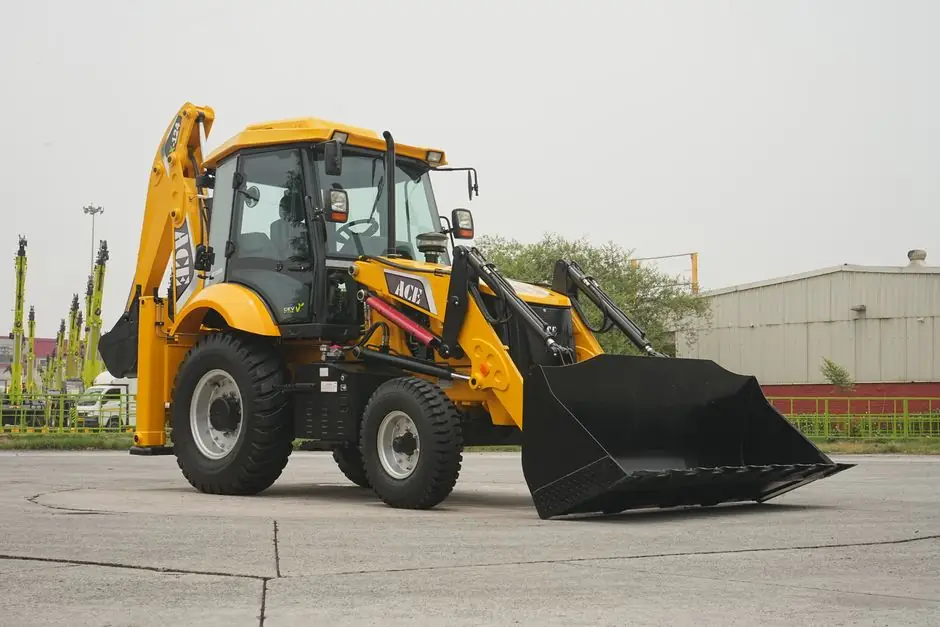
The John Deere TK-Series is a pinned system that requires no hammers or pry bars, with a simple socket or breaker bar wrench sufficient for replacement.
The decision is not simply service speed: material grade, tooth profile, machine tonnage, material abrasion, back-dragging, and replacement frequency determine the practical winner.
Decision Criteria for Loader Bucket Teeth
John Deere TK-Series teeth specify a Rockwell hardness range of 47–52, room-temperature Charpy V-notch toughness above 15 J, and low-temperature toughness of 11–15 J at −40°C [S4]. These are useful baseline checks, but model-specific metallurgy must be verified before mixing systems or approving a substitution.
On a wheel loader, the primary criteria are retention security, time per change-out, wear-part consumption, penetration, impact exposure, and compatibility with the bucket lip. A fast pin removal cycle has little value if the adapter, nose, or locking components deform under the load pattern.
Hammerless Systems: Mechanism and Maintenance
John Deere describes its TK-Series as requiring a socket or breaker bar wrench, with no hammers or pry bars [S4]. This removes impact-assisted installation and removal, two practices that can damage pins, adapters, and tooth pockets.
Deere’s TK-Series uses reusable rubber locks held captive by the tooth and a reusable retention pin [S4]. The TK-Series retention pin has male and female ends that allow it to be inserted from either side. The TK-Series reusable rubber locks and retention pin are designed for long wear life and very infrequent replacement.
Pinned Systems: Retention and Load Behavior
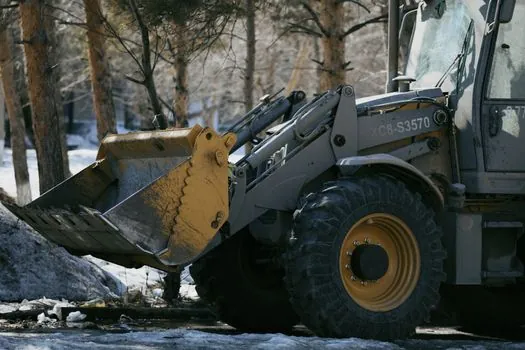
Pinned systems are not synonymous with hammer-driven installation. Deere’s TK-Series is pinned but explicitly excludes hammers and pry bars, using a socket or breaker bar instead [S4]. The distinction should therefore be defined by how the pin is installed, removed, and loaded rather than by the presence of a pin alone.
Deere states that the TK-Series pin becomes loaded during back-dragging and remains on a neutral axis during other digging and loading movements [S4]. These results concern named test products and loads, not every loader bucket configuration.
The pin arrangement can also expose the tooth to directional wear. The TK-Series retention pin becomes loaded during back-dragging and otherwise remains on a neutral axis during digging and loading movements.
Cost, Wear Life, and Integration Effort
Hammerless replacement reduces tool dependence and avoids hammering, but it does not eliminate system cost. Replaceable-tip systems introduce separate tips, adapters, pins, and locking components, and KVX E2 uses one or two adapter bolts depending on machine size [S1]. A pinned one-piece arrangement may reduce component count, but its actual economics depend on tooth wear, adapter life, and how many change-outs are required.
For fleet comparison, calculate total cost per operating hour, including teeth, pins or locks, adapters, workshop labor, bucket availability, and unscheduled removal. Record change-out time separately from wear life. A system that lasts 550 hours but stops a loader for 45 minutes can be less productive than a system lasting 254 hours and taking 15 minutes to change, depending on fleet utilization.
Application Fit and Failure Modes
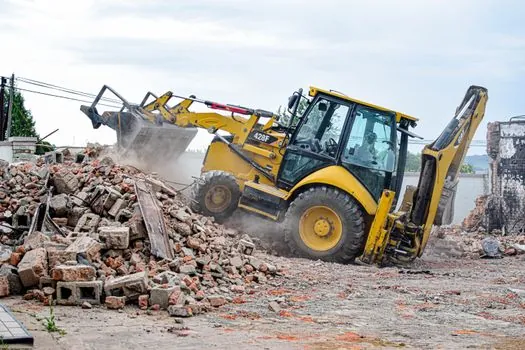
Ultralok is a hammerless tooth system designed for optimum wear on wheel loaders working in extreme-abrasion applications. This architecture is relevant where rapid replacement and a compact tooth profile are operational priorities.
Hitachi’s hammerless mining and construction tooth system emphasizes contact geometry between tooth and adapter for stress absorption and distribution, while its low profile supports faster material flow [S5]. These claims identify design priorities, but they do not establish comparative wear life without matched field testing in the same material and loader.
The common failure modes differ. Hammerless systems can suffer from worn locking elements, contaminated interfaces, incomplete seating, or damage during forced removal. Pinned systems can suffer from bent pins, damaged tooth pockets, deformed adapter noses, and wear at locking or retention components. Back-dragging, impact loading, abrasive fines, and high machine tonnage should be included in the test plan rather than treating clean gravel loading as representative.
Compatibility, Sourcing, and Selection Rules
Specify the complete system, including bucket lip, adapter, tooth, pin or locking mechanism, retaining parts, and tool requirements. Do not approve a tooth by profile or machine tonnage alone. The KVX E2 is published for 35–300-tonne wheel loaders and uses one or two bolts according to machine size, while the TK-Series material limits are tied to identified tooth models and documented test results [S1][S4].
Request the manufacturer’s tooth model, material grade, hardness range, toughness data, applicable tooth and adapter drawings, service instructions, and replacement-part list. Confirm whether the pin is reusable, whether the locking elements are captive, whether the tooth is reversible, and what tools are required. Also verify that spare-parts terminology is consistent across dealer, workshop, and purchasing records.
Hammerless is the stronger choice for fast routine changes, mixed crews, remote operation, and avoidance of impact-assisted maintenance. A pinned system deserves preference where destructive-test or field data demonstrate higher retention strength for the exact application, reverse loading is severe, or machine downtime and wear-part consumption dominate labor savings. No system is universally superior without matched testing by material, loader tonnage, and duty cycle.
For procurement, build a side-by-side record covering hours per tooth set, change-out minutes, pins or locks replaced per event, adapter wear, retained-tooth failures, and cost per loader hour. Validate the first production cycle in the intended abrasive material and compare it with the incumbent system before standardizing the fleet.