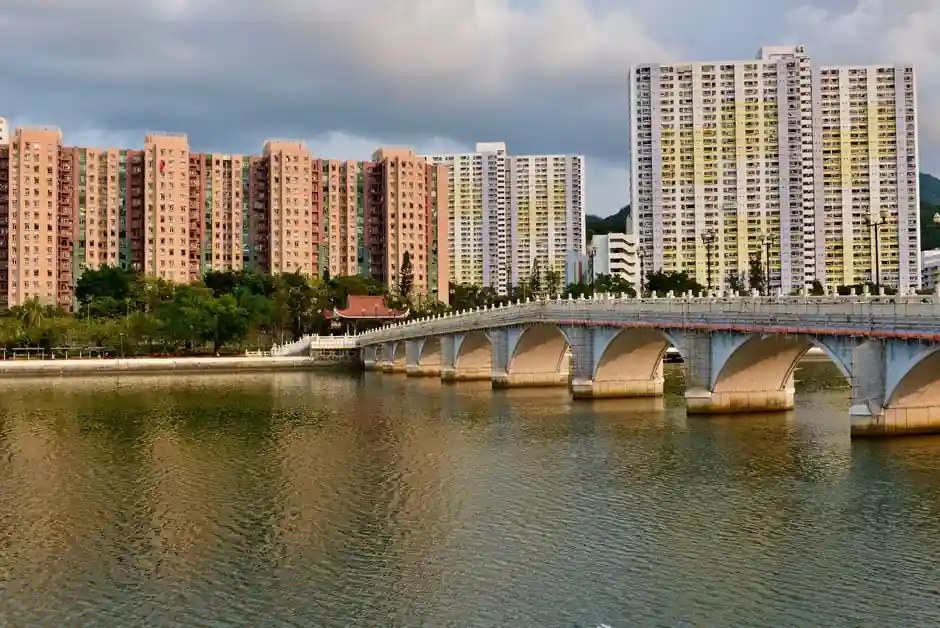
For high-rise projects in 2026, membrane selection is split by exposure zone: HDPE and pre-applied fully-adhered sheets for blindside and below-grade work, modified bitumen and single-ply systems for exposed roofs, and polyurethane or PMMA liquid-applied membranes at podium decks, balconies, and expansion joints, per guidance from Henry, Siplast, and Constr facilitator [S2][S3][S7].
The dominant failure drivers are not the membrane chemistry but the detailing: expansion-joint movement, lateral water migration under hydrostatic pressure, and root/overburden loads on buried assemblies. Matching the right waterproof membrane family to a specific zone is what separates a 30-year roof from a 7-year repair cycle.
Why High-Rise Differs from Low-Rise Spec'ing
High-rise structures expose roughly 4-8x the vertical envelope area per occupied floor of a low-rise building, so wind-driven rain, thermal cycling, and facade joint movement all scale non-linearly with height. Dr. Fixit's field guidance for Indian coastal metros (Mumbai, Chennai, Kolkata) flags continuous monsoon exposure plus constant humidity as a year-round load rather than a seasonal event [S4].
Tall buildings also concentrate hydrostatic head in deep basements, where water table depth plus structural slab thickness can push working pressures above 50 kPa. HDPE sheets in the 1.5-2.5 mm thickness band are widely specified for these zones because they tolerate hydrostatic pressure and aggressive groundwater chemistry that would attack bitumen [S7].
Finally, the dynamic load case is different. Podium decks and elevated landscape slabs see pedestrian, planters, and occasional vehicular load, while parking decks must resist oils, de-icing salts, and abrasion. A single membrane cannot serve all of these zones, so spec sheets are typically split into 3-5 distinct assemblies on a tower project [S3][S4].
The Main Membrane Families: HDPE, Modified Bitumen, Single-Ply, and Liquid-Applied
HDPE (high-density polyethylene) geomembranes are the workhorse for deep basements and blindside shoring-wall applications because they resist hydrostatic pressure, chemical attack, and root intrusion in one sheet. They are commonly specified at 1.5-2.5 mm thickness, sometimes with a textured surface for adhesion to poured concrete [S7].
Modified bitumen membrane systems (APP and SBS) remain common for exposed roofs, podiums, and planters because of multi-decade track records and torch- or cold-applied installation. Siplast's overburden guide treats them as appropriate where the membrane is buried under soil, vegetation, or paver systems, with the explicit caveat that roofing membranes are not a substitute for true waterproofing under ponding loads [S3].
Single-ply membranes (TPO, PVC, EPDM) cover the bulk of exposed commercial roofing and are well suited to high-rise roofs where UV stability, single-source warranty, and fast coverage matter. The Philadelphia Water Department notes that modified bitumen roofing, waterproof single-ply, and metal roof systems are the three common categories on blue-green roof retrofits [S1].
Liquid-applied membranes (polyurethane, PMMA, polyurea) handle the geometry that sheet goods cannot: balcony transitions, planter upturns, pipe penetrations, and complex expansion-joint detailing. They are typically specified at 1.5-3.0 mm DFT (dry film thickness) and can be reinforced with fleece at movement zones [S4][S5].
Selection Criteria: Movement, Hydrostatic Load, Exposure, and Compatibility
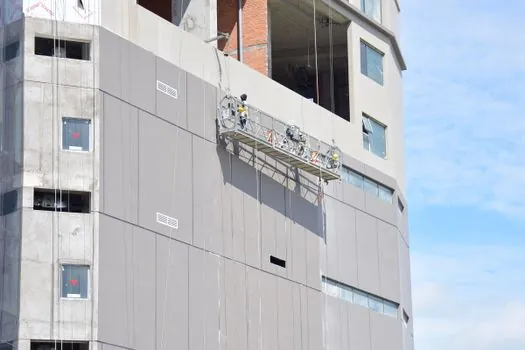
Movement tolerance is the first filter. Expansion joints in a 100 m tower can cycle 15-30 mm annually from thermal movement, and any membrane bridging that joint without a proper cover plate or backer rod will fatigue within 5-10 years. Liquid-applied PMMA and fleece-reinforced polyurethane are the standard answer for these zones, not sheet goods [S4].
Hydrostatic load is the second filter. Below-grade zones with sustained groundwater should default to HDPE or pre-applied fully-adhered membranes, while damp-proof courses and non-pressurized planters can use lower-cost bituminous or single-ply systems. Henry's blindside guidance emphasizes that fully-adhered systems limit lateral water migration, which is the controlling failure mode in deep basements where a puncture could otherwise channel water many meters laterally [S2].
Exposure and traffic load form the third filter. Pedestrian plaza and balcony membranes need abrasion resistance plus a slip-rated finish, while vehicular traffic decks add chemical resistance for oils and de-icing salts. The thermal waterproofing class also matters at occupied terraces, where insulation and membrane must be sequenced correctly to avoid vapour drive blistering.
Substrate and detailing compatibility is the fourth filter, and the one most often short-changed. Pre-applied HDPE needs a concrete pour that bonds to its textured face, while post-applied sheet systems need a dry, sound substrate. NuSite's below-grade guide is explicit: membrane selection, waterstop strategy, and drainage design should be anchored to the geotechnical report's long-term groundwater assessment, not to a generic specification [S6].
Where Each System Fits: Roof, Podium, Balcony, Basement
Exposed high-rise roofs: TPO or PVC single-ply at 1.2-1.8 mm, mechanically attached or fully adhered, is the common 2026 commercial default. Modified bitumen is still used where redundancy and multi-ply warranties are mandated, and liquid-applied coatings are used over existing roofs as restoration [S1][S5].
Podium and plaza decks (over occupied space): modified bitumen, PVC, or polyurethane liquid-applied systems, all specified for pedestrian or vehicular traffic loads. A slip-resistant wear course is typically added for pedestrian plazas. Drainage composites above the membrane are standard to prevent standing water at the membrane plane [S3].
Balconies and planters: liquid-applied polyurethane or PMMA, typically reinforced at corners and penetrations, with upturns of 150-200 mm above the finished surface. These are the most repair-call-heavy zones on a tower, so spec'ing a redundant two-coat system with a fleece reinforcement at the floor-wall transition is common practice [S4].
Below-grade basements and blindside walls: HDPE geomembranes or pre-applied fully-adhered membranes against shoring walls, combined with PVC waterstops at construction joints and a drainage composite at the waterproofing plane. NuSite's recommendation is to base waterstop spacing and drainage-board selection on the geotech report rather than generic details [S6][S7].
Common Failure Modes and What Drives Them
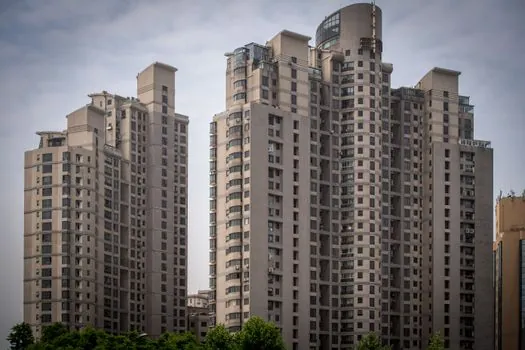
Lateral water migration at a single puncture is the dominant below-grade failure mode. If a 1.5 mm HDPE sheet is loose-laid, even a 5 mm puncture can leak for many meters before water surfaces inside, which is why fully-adhered systems dominate new high-rise blindside work [S2].
Expansion-joint fatigue is the dominant podium and facade failure mode. Bituminous sheets without proper joint covers crack within 5-10 years on tall buildings, while correctly detailed liquid-applied systems at the same joint run 20+ years [S4].
Blistering and vapour drive on buried assemblies is the third major mode. When a membrane is placed over a warm, wet substrate without a vapour vent or proper primer, vapour pressure builds under solar gain and blisters the sheet. Spec'ing a vented base sheet or a moisture-tolerant primer is the standard mitigation [S3].
Root intrusion and overburden compression on podium planters is the fourth mode. Standard HDPE and modified bitumen resist roots, but only if the root barrier is continuous at penetrations; a single unprotected pipe entry can defeat the system within 2-3 growing seasons [S7].
Standards, Sourcing, and 2026 Field Guidance
ASTM standards govern the membrane material properties most spec sheets cite: D638 for tensile, D696 for cold crack, and various D/DM standards for puncture and hydrostatic resistance. Concrete substrate prep typically references ACI 503R on bonding, though the standard number should be confirmed against the project's specification. [S3]
For fire and code compliance on exposed roofs, FM Global and UL listings (FM 1-90 or UL Class A) are common in North America, while European projects reference EN 13501-1 reaction-to-fire classes. None of these are optional on a 2026 commercial high-rise; an unrated membrane will be rejected at plan review [S1][S5].
Specifier workflow in 2026: start from the geotech report for below-grade zones, the structural movement study for podiums, and the wind-uplift calculation for roofs, then map each zone to one of the four membrane families. The membrane brand is a final step, not the first. As a related process-engineering note for spec teams who also handle structural castings, the static pressure molding machine selection for automotive castings workflow follows a similar "load case first, equipment second" logic.
Trackable signals for the next spec cycle: updated FM/UL wind-uplift ratings for single-ply on 100 m+ towers, growth of pre-applied HDPE in residential high-rise basements, and a steady shift toward liquid-applied PMMA at balcony and expansion-joint zones in Asian coastal markets [S2][S4][S7].