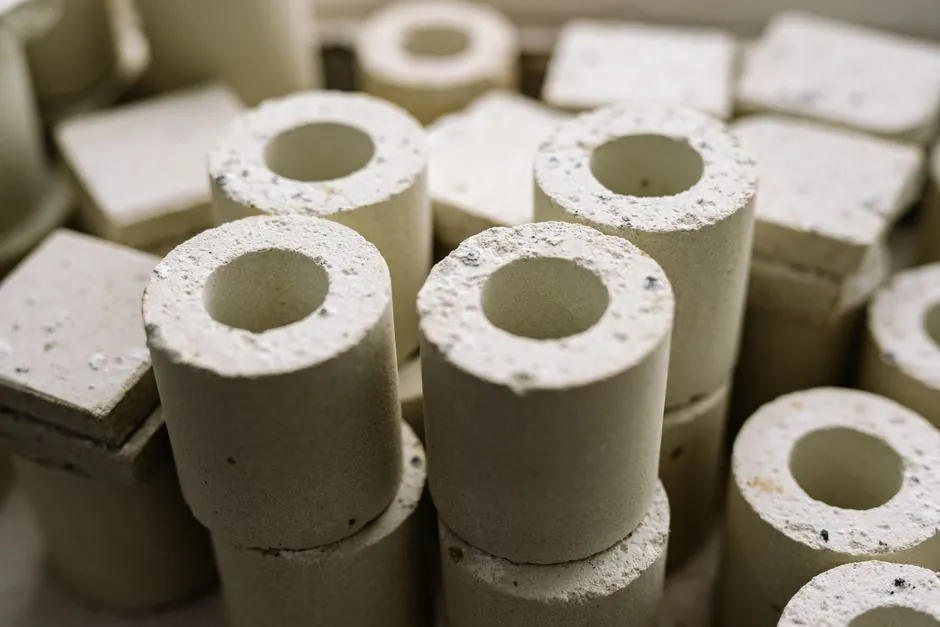
A hot box core shooter specified for energy equipment work in 2026 typically needs template size 780-1400 mm, electric heating 25-50 kW per station, blow pressure around 6 bar, and maximum core weight 10-40 kg, with horizontal core box mounting on a 200-300 kg sand bucket [S1][S3].
Energy equipment covers a wide castings scope, from valve bodies and pump housings to engine blocks, turbine auxiliary fittings, and power transmission components. Hot box (heated core box) core making is the mainstream process where these cores are concerned, because coated resin sand is shot into a heated core box, then cures in seconds to give smooth, dimensionally accurate cores ready for iron or steel pouring [S3]. The selection conversation therefore centres on matching machine envelope to core geometry, not on the resin chemistry itself.
Core Box Geometry and Template Size
Template size, not shot weight, is the first hard constraint, because the core box has to physically fit the heating platen and the blow head [S3]. The 2026 horizontal hot box line spans ZH750 at 780x600 mm, ZH870 at 930x750 mm, ZH1080 at 1150x950 mm, and ZH1580 at 1400x800 mm, with minimum mould thickness 280 mm across the range and mould closing stroke 300-500 mm [S3]. For pump and valve work, the 780x600 and 930x750 footprints cover most body and bonnet cores; engine and power component cores push selection to 1150x950 and above.
Core box mounting is horizontal on the mainstream hot box line, which suits the symmetric, through-blow sand path that hot box resin needs for even cure [S1][S3]. Operators that previously ran a vertical hot box for legacy reasons are migrating to horizontal for easier automation hookup, since horizontal parting aligns with the same orientation used in shell core shooter cells and simplifies downstream sand reclamation routing.
Shooting Pressure, Sand Capacity, and Cycle Economics
Blow pressure around 6 bar with a 20 kg single-shot capacity is the typical small-to-mid hot box operating point, suitable for coated resin sand of normal fineness [S1]. Sand bucket volume on the mainstream 2026 horizontal line is 200 kg on ZH750 and ZH870, and 300 kg on ZH1080 and ZH1580, which sets the practical upper bound on refill frequency during a shift [S3]. For a 25-40 kg maximum core weight station, the 300 kg bucket typically supports a full hour of single-core cycling before refilling, depending on blow time and cure cycle [S3].
Cycle economics improve markedly when a single operator runs 1-3 machines in parallel, which the dual-purpose horizontal platform is designed for; the operator only sequences cure timing, with one-button automatic cycling on the fully automatic control tier [S1][S3]. Plants that previously dedicated one operator per hot box station are now targeting one operator per 2-3 stations on the ZH870 and ZH1080 footprints, which materially shifts the per-core labour cost basis.
Heating Method and Electric Load
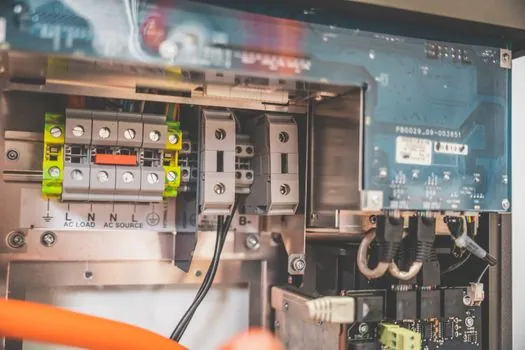
Electric heating and triethylamine (TEA) gas curing are both available on the 2026 horizontal hot box line, with electric power rising with template size: 25 kW on ZH750, 30 kW on ZH870, 45 kW on ZH1080, and 50 kW on ZH1580 [S3]. Energy-aware foundries should treat these figures as connected load per station, not average draw, because the heaters cycle on/off against the cure timer; the energy management implication is a 25-50 kW per-station peak that has to be reconciled with the plant's main breaker capacity and any demand-charge tariff.
Selection of electric versus TEA is a process decision more than a machine decision: electric is cleaner and easier to permit in environmentally constrained foundries, while TEA gas can give faster cure on thick-section cores at the cost of amine scrubbing on the exhaust. Either way, the heating method does not change the machine envelope, so the hot-box core machine line in 2026 stays the same physical platform regardless of which curing route is chosen.
Operation Modes, Automation, and Labour
Three operation modes are available across the 2026 horizontal hot box line: fully automatic cycle, single-cycle automatic, and manual, with semi-automatic and automatic options standard on ZH750 through ZH1580 [S3]. For energy equipment cores that need consistent density (pump impeller hubs, valve body cores), fully automatic cycling with a fixed blow time and cure time is the safer specification, since manual mode tends to drift between operators and produce variable core hardness [S3].
Plants running a 24-hour pattern typically pair fully automatic cycling with a simple PLC recipe table, and this is where the cold-box core machine alternative is sometimes compared; cold box avoids the heating load and is friendlier to intermittent small batches, but hot box wins on cycle time and on surface finish for thin-walled valve and pump cores where resin flow into corners matters.
Core Weight Bands and Foundry Application Fit
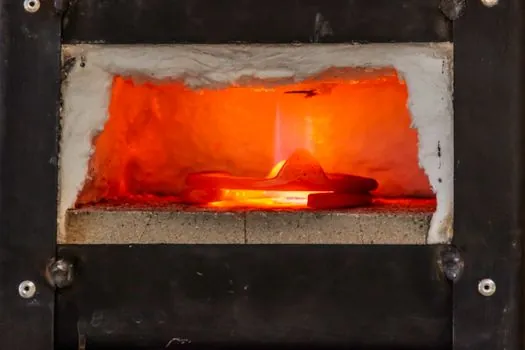
Maximum core weight bands on the 2026 horizontal hot box line are 20 kg on ZH750, 25 kg on ZH870, 35 kg on ZH1080, and 40 kg on ZH1580, which effectively sets the application fit per station [S3]. Smaller ZH750/ZH870 stations suit lighting fixture and small telecom cores; mid ZH1080 stations cover most automotive and small-engine cores; ZH1580 with its 40 kg ceiling is the workhorse for power component cores where the casting section is heavy and the core must be self-supporting through pouring [S3].
A practical foundry cross-reference for energy equipment looks like this. Pump and valve body cores fit comfortably on ZH750 and ZH870, matching the 10-20 kg shell core shooter envelope already common in those lines [S1]. Engine and generator housing cores push to ZH1080 at 35 kg, and large turbine auxiliary fittings or transformer housing cores typically need the ZH1580 footprint at 40 kg. For pump and valve foundries specifically, the spec map on Hot Box Core Shooter Spec Map for Pump and Valve Foundries and the sizing note on Hot Box Core Shooter Sizing for Lighting Fixture Foundries cover the lower and upper envelope from the same model line.
Selection Criteria Comparison Across the 2026 Line
Four decision criteria separate the four-station 2026 horizontal hot box line for energy equipment buyers: template footprint, max core weight, sand bucket volume, and connected electric load. ZH750 is the entry point at 780x600 mm, 20 kg core, 200 kg bucket, 25 kW. ZH870 steps up to 930x750 mm, 25 kg, 200 kg, 30 kW. ZH1080 reaches 1150x950 mm, 35 kg, 300 kg, 45 kW. ZH1580 tops the line at 1400x800 mm, 40 kg, 300 kg, 50 kW [S3]. For a foundry that needs flexibility across 15-30 kg cores without changing the bucket, ZH1080 is the most common pick; for a foundry that needs a single dedicated high-weight core, ZH1580 is the specification.
The selection rule worth writing down: pick the smallest template that physically accommodates the largest core, because oversizing costs you in electric load, sand bucket overfill, and floor space without giving you any production benefit.
When Hot Box is the Wrong Choice
Hot box is the wrong process for very small cores below about 1 kg, where the cure cycle overhead dominates the per-core time, and for very large cores above 40 kg where the heating platen cannot deliver even temperature across the section [S3]. It is also a poor fit for intermittent job-shop work with frequent core box changes, because the core box has to be heated to operating temperature and held there, so cold starts waste both energy and cure time. For those cases, the dual-purpose horizontal cold/hot platform allows a switch to cold-box amine curing without changing the machine envelope [S3].
Energy equipment foundries running a mixed product mix, for example a few large power component cores and many small valve cores, are increasingly selecting the dual-purpose cold/hot platform so that one machine handles both regimes, trading off some hot-box cycle speed for production flexibility. Plants locked into pure hot-box volume should standardise on ZH1080 as a single platform across the whole core weight range, since its 35 kg ceiling and 300 kg bucket cover 80-90% of typical energy equipment core weights in a single station.
Trackable signals for the next buying cycle: the publication of any new ZH-series station with electric load below 20 kW at the 20 kg core band, which would mark an efficiency inflection for small-foundry hot box work [S3], and any update to the dual-purpose cold/hot platform that closes the cycle-time gap to single-purpose hot box stations.