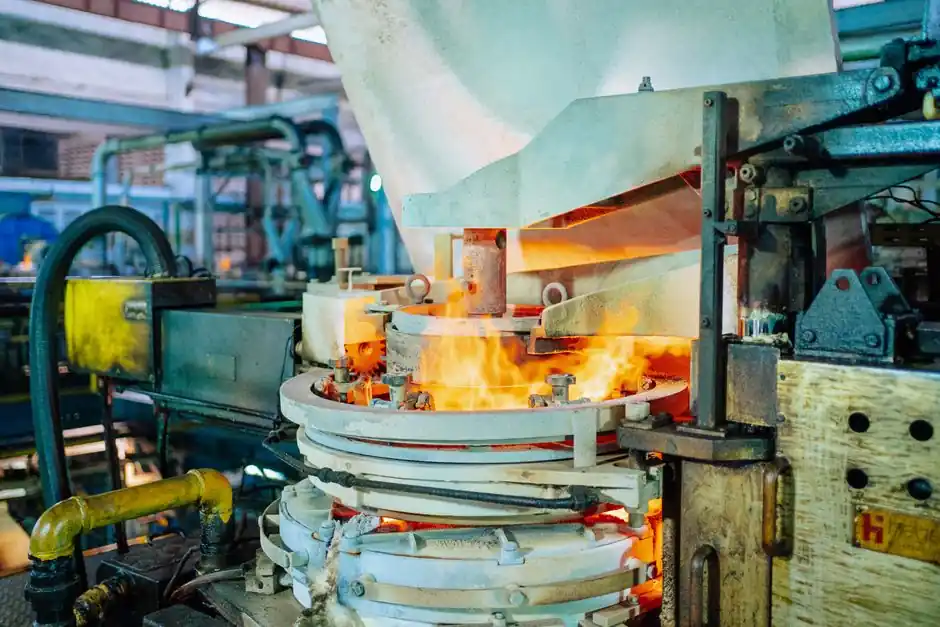
The comparison covers facility-level processing rather than a universal energy-per-kilogram factor, so an audited kWh/kg value is required for a specific zinc alloy, part, furnace, and machine.
What is the defensible energy benchmark for zinc die casting?
No single published value in the research establishes a universal kWh/kg benchmark for hot-chamber zinc castings.
A zinc die casting benchmark should therefore distinguish theoretical process energy from energy that is actually billed at the plant. The Ohio State University report identifies melting and holding as major demands, then lists alloy, starting form, process flow, yield, scrap rate, cycle time, operating shifts, machine size, robots, trimming, machining, plating, and assembly as variables that can change consumption [S2].
How is hot-chamber zinc energy used?
Molten-metal preparation consumes energy for melting and holding the alloy, while the casting system supplies hydraulic, heating, cooling, lubrication, and controls loads. Energy can also be attributed downstream to trimming, machining, plating, assembly, rejected material, and internal recycling [S2].
The hot chamber machine keeps the molten-metal reservoir at the machine and injects it directly into the die at high speed. A zinc die casting machine is therefore the correct equipment category for this calculation because the molten metal remains in the machine-side gooseneck and shot system rather than being ladled through a separate cold-chamber sleeve [S3].
Published hot-chamber cycle rates extend from roughly 150 parts per hour for large components to more than 2,000 parts per hour for small components [S7]. Faster cycles reduce machine idle time per kilogram, but they do not remove furnace or melting losses.
Why zinc needs less energy than aluminum or magnesium
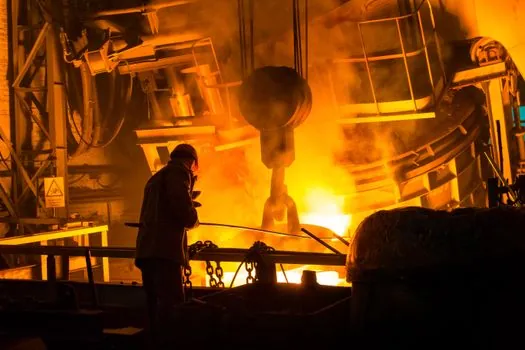
Zinc’s lower melting temperature reduces the heat required to prepare metal, and its low attack rate on iron and steel supports the faster hot-chamber method [S5][S6]. One process description states that lower-melting-point metals can be melted faster with less energy in hot-chamber production [S3].
The DOE facility comparison gives the clearest relative result: zinc hot-chamber die casting used 36% of aluminum energy usage for the facilities examined [S1]. This is not a claim that every zinc casting consumes exactly 36% of an equivalent aluminum casting. Product mass, wall thickness, runner weight, holding temperature, furnace efficiency, and recovery practices remain outside that ratio.
The cited source identifies extended die life as a benefit of zinc die casting but does not provide comparative tool-life multiples for zinc, aluminum, or magnesium. The cited source describes multi-slide and automated conventional high-pressure zinc die casting but does not state a specific shots-per-minute rate.
Which energy metric should a plant use?
A plant should calculate three separate values: process energy per shipped kilogram, facility energy per shipped kilogram, and net energy after recoverable scrap credit. The first exposes melting and machine efficiency, the second includes holding, trimming, handling, and utilities, and the third prevents recycled metal from being counted twice when reused in the melting furnace. [S2]
Calculation basis:
Process energy per kilogram = metered melting energy + metered holding energy + metered casting-machine energy, divided by shipped casting mass. For a cold chamber machine, the calculation must also include ladling and any separately metered furnace transfer energy because the metal reservoir is external to the machine [S3].
For internal benchmarking, however, metering each fuel and carrier separately is more useful because electricity, natural gas, and other thermal inputs carry different costs and emissions factors.
How do the main die casting routes compare?
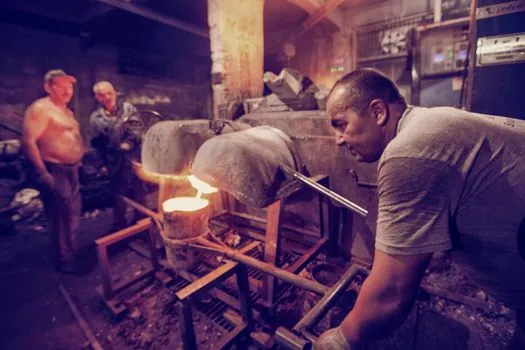
Hot-chamber zinc, cold-chamber aluminum, and sand casting should be compared on delivered mass, cycle rate, melt temperature, tooling life, yield, and measured facility energy. Published cycle-rate figures provide one screening comparison, but they do not replace a part-specific energy audit [S3][S4][S7].
Hot-chamber zinc die casting directly injects molten metal located at the machine into the mold, and its cycle rates range from roughly 150 parts per hour for large components to over 2,000 parts per hour for small ones. Cold-chamber aluminum die casting ladles liquid metal from a furnace reservoir into a chute called the shot sleeve before it is injected at high pressure into the mold. Sand casting avoids the high-pressure injection step but generally carries lower production rates and different melting and handling requirements [S2].
The energy choice should follow part geometry. Thin-walled, intricate zinc parts can reduce secondary operations because zinc has high fluidity, while larger parts may require different equipment, longer cycles, heavier runners, and more holding capacity [S3][S4].
What limits an energy claim for zinc castings?
The largest uncertainty is metering coverage. A die-casting operation may lack component-level metering, making it difficult to attribute an equipment or process change to energy savings [S2]. Energy use can also vary significantly between enterprises and within one enterprise over time, even when the nominal alloy and machine remain unchanged [S2].
Molten-metal processing is inherently energy intensive, and one die-casting study attributes roughly 25% of die-cast product cost to some form of energy consumption [S8]. That is a cost observation, not a kWh/kg conversion. It should not be used to estimate electricity, gas, or carbon intensity.
Temperature-control media are another boundary condition. The selection of oil or water temperature-control units for zinc dies affects the energy and thermal performance of the shot sleeve, gooseneck, and die-cooling circuit. Machine controls, die design, insulation, furnace maintenance, holding loss, and shot weight must therefore be retained in any defensible comparison [S3].
How to establish a production kWh/kg figure
An operational estimate requires a controlled interval with at least three measurement points: incoming solid-metal mass, shipped casting mass, and metered energy by carrier. Record furnace start and stop states, holding temperature, average shot time, shots per hour, die occupancy, rejected castings, returned runners, and downstream trimming. The DOE study identifies yield, scrap rate, cycle times, shifts, operating days, machine type, and downstream processing among the factors capable of changing die-casting energy use [S2].
For production qualification, use one zinc alloy, one die geometry, one machine class, and one part weight per comparison. Published cycle rates span roughly 150 to more than 2,000 parts per hour by component size, so combining different parts without normalization can distort any kWh/kg result [S7].
Track two improvement signals: energy per shipped kilogram and gross casting yield. If energy falls while shipped output rises, the change is meaningful. If total plant electricity falls because production falls, it is not an efficiency gain. A zinc hot-chamber route has a credible energy advantage over aluminum in the DOE facility comparison, but the production number must come from metering the installed process [S1][S2].