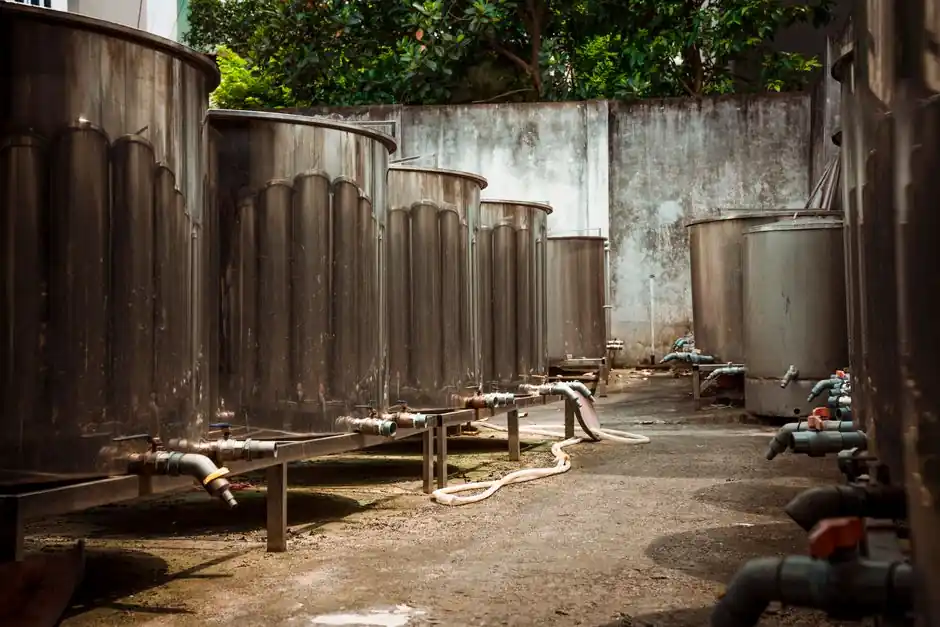
Plastic storage tank selection is driven first by the specific gravity of the stored liquid and the resin's chemical compatibility, not by capacity alone: tanks rated for water (specific gravity 1.0) typically use thinner walls than underground tanks rated near specific gravity 2.0, which must also resist external soil loading [S1].
The dominant manufacturing process for large seamless plastic tanks is rotational molding using high-density polyethylene (HDPE), linear low-density polyethylene (LLDPE), or polypropylene, with blow molding and injection molding handling smaller geometries [S4]. When properly specified and installed, plastic tanks deliver a service life of roughly 20 to 30 years [S4].
Resin and Material Grade
Polyethylene is the most common resin for plastic water storage tanks because it is durable and broadly chemically resistant; food-grade polyethylene is required for potable service to keep the water free from BPA, phthalates, and other leachables [S3].
For potable water, buyers should specify BPA-free polyethylene and confirm the resin carries a food-grade or NSF/ANSI 61-equivalent certification; for chemical service, polypropylene offers better chemical compatibility and higher temperature limits than standard HDPE [S1][S4]. Fiberglass (above-ground or underground) and stainless steel are alternatives when the duty outruns polyethylene's temperature or chemical envelope [S3].
Specific Gravity, Wall Thickness, and Capacity
Specific gravity ratings translate directly to wall thickness: a thicker tank wall indicates a higher specific gravity rating, and tanks that are too light for the liquid stored in them will fail in service [S1]. A water tank is typically rated to specific gravity 1.0, while an underground tank must contend with both internal hydrostatic head and external soil pressure, pushing the rating toward 2.0 [S1].
Capacity sizing depends on duty: emergency storage generally calls for at least 1,000 gallons, while residential use may only need 50 gallons, and commercial or agricultural sites can require several hundred to several thousand gallons [S2][S3]. Vertical cylindrical tanks are standard for above-ground water storage; horizontal cylinders are used underground or as transport tanks, often with internal baffles to limit liquid surge [S1][S5].
UV Protection, Color, and Site Conditions
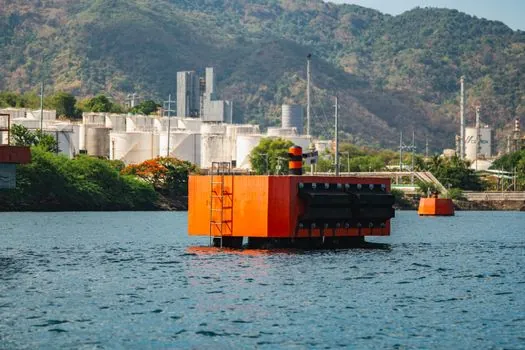
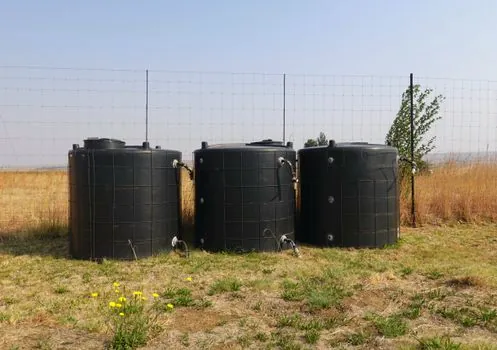
UV stabilizers compounded into the polyethylene resin during manufacturing protect against sunlight-driven degradation, which otherwise causes cracking, discoloration, and loss of mechanical strength in unprotected plastic tanks [S1]. Darker tank colors (black, dark green) block light penetration, suppressing algae and bacteria growth that would otherwise affect taste, odor, and color of stored water [S1][S2].
Common production colors include white, green, grey, and black, and darker pigments are the default choice when light blockage is a priority [S4]. Storage location also matters: a tank that sits in direct sun will heat its contents and shorten resin life, so shaded or insulated placement extends service intervals [S2].
Fittings, Manways, and Installation Geometry
Plastic tanks are typically supplied with inlet, outlet, overflow, and vent connections, and a manway (often 16-24 in. diameter depending on tank size) for inspection and cleaning; large horizontal underground tanks frequently carry two manways, one at each end of the cylinder [S1]. Optional level indicators, self-cleaning mechanisms, and pre-plumbed fitting packages reduce field labor but should be specified at order time [S5].
Shape follows duty: vertical cylinders maximize capacity per footprint for above-ground installation, horizontal cylinders with integral legs suit transport and below-grade use, and rectangular or slimline geometries fit against walls in tight service rooms or domestic yards [S1][S5].
Comparison: Main Plastic Tank Options by Duty
Three material families cover the bulk of plastic storage duty, and the right pick is a function of contents, temperature, and certification: HDPE (rotationally molded) is the workhorse for potable water, rainwater, and many agricultural chemicals, with good UV resistance and low cost; polypropylene is specified where higher temperatures or aggressive chemicals (acids, caustics at elevated temperature) rule out HDPE; fiberglass (FRP) is the upgrade path when the duty requires higher temperature ceilings, larger monolithic volumes, or underground burial with documented external-load ratings [S3][S4].
On the three decision criteria that drive most buys, HDPE wins on installed cost and chemical breadth for ambient potable service, polypropylene wins on temperature ceiling and chemical compatibility, and FRP wins on structural rigidity and custom geometry, at higher unit cost [S3][S4]. For non-drinking irrigation, a non-food-grade HDPE is acceptable provided the resin is corrosion-resistant and will not leach harmful chemicals into the water [S3].
Who Should NOT Pick the Cheapest Poly Tank
Buyers storing anything hotter than 140 deg F, anything more aggressive than dilute acids or caustics, or anything that must meet a third-party potable-water certification should not pick a generic rotationally molded HDPE tank at the lowest quote [S4]. A tank that is mis-specified to a liquid heavier than its specific gravity rating, or to chemicals outside the resin's compatibility chart, will deform, crack, or leak well before the 20-30 year design life [S1][S4].
For related pressurized or code-stamped containment, the selection logic shifts toward ASME-stamped vessels rather than atmospheric plastic tanks; see the pressure vessel selection guide for that duty class.
Standards, Certifications, and Sourcing Discipline
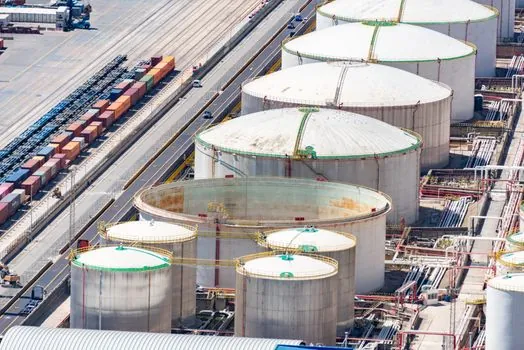
For potable water in domestic service, buyers should verify the tank carries a food-grade or NSF/ANSI 61-equivalent certification and complies with local health regulations; commercial installations may require additional certifications depending on the application [S3][S5]. Manufacturer warranty terms and documented customer support are a practical signal of build quality, since a longer written warranty typically tracks tighter molding process control [S5].
Track these signals on the next sourcing cycle: published specific gravity ratings per tank model, third-party certifications for food contact (NSF/ANSI 61 or equivalent), documented UV-stabilizer loading in the resin data sheet, and a manufacturer-published chemical compatibility chart. Any of these missing from a quote is a reason to ask before paying.