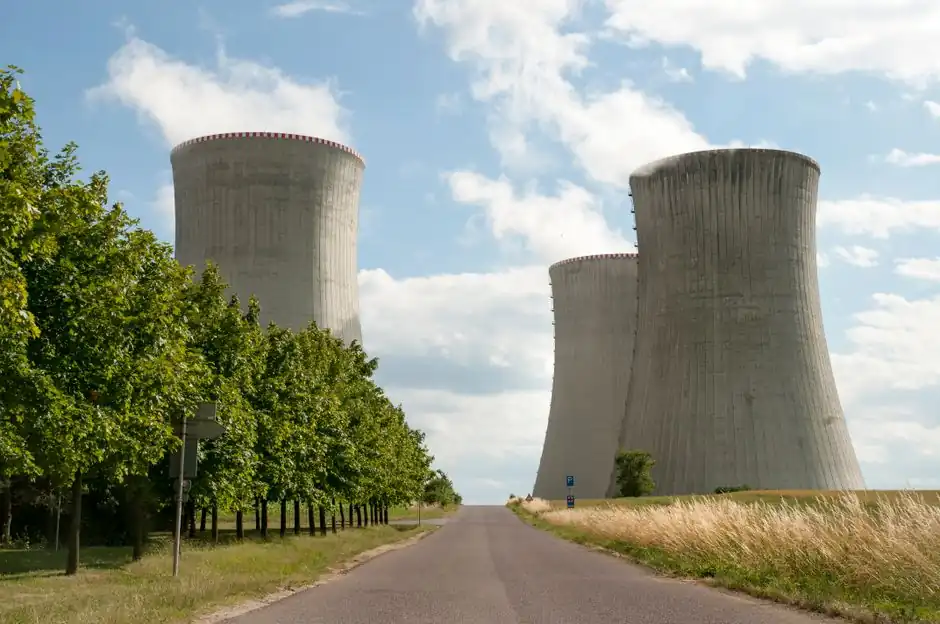
Power-generation sludge pumps must handle high-solid-content fluids containing abrasive, thick, and potentially corrosive or volatile material rather than treating these fluids as water [S1][S3].
Selection depends on flow rate, pressure, fluid content and system layout, with explosion-proof submersible units serving volatile fuel sludge and abrasive dewatering duties [S5].
Define the sludge duty before choosing the pump
Sludge is a mixture of liquid and pulverized solids used in steel processing, hydrocarbon extraction and power generation; it may be thick, abrasive, corrosive or volatile [S1]. In power plants, the service can include fuel sludge, wastewater, coal-related slurry, bottom ash, condensate, and dewatering streams, so the nameplate must describe the actual fluid rather than a generic “sludge” service.
Sludge may contain from 3% to over 25% solids by weight [S3]. These figures are screening ranges, not guaranteed ratings: obtain particle-size distribution, density, viscosity, temperature, abrasiveness and corrosivity data for each stream.
Sludge should also be classified as settling or non-settling. Settling sludge forms coarse-particle deposits and behaves as an unstable mixture, while non-settling sludge contains finer, more buoyant particles [S1]. A dedicated sludge pump requires larger passages and a solids-tolerant impeller to handle the abrasive, thick, and high-solids fluids that can choke or burn out a standard water pump [S3].
Match flow, head and solids handling
Specify the minimum continuous flow, maximum peak flow, required discharge head, suction arrangement and operating duration before selecting a hydraulic configuration [S5]. A pump that meets nominal flow may still plug if its rated free passage is smaller than the largest solid likely to reach the impeller. For a broader treatment of solids-handling pump selection, compare the hydraulic concept with the operating limits of a sludge pump.
Power-generation systems often need high-head and high-flow options, and their flow demand can change during load shifts. The selected pump must retain stable delivery at the minimum duty without dead-heading at the maximum duty, while controls handle starts, stops, high-level conditions and standby duty [S5].
These values are not power-plant design capacities; they illustrate why horsepower rises with service scale and sludge severity. Heavier sludge generally requires more pump horsepower [S1].
Compare the main pump configurations
A centrifugal pump uses a rotating impeller to add velocity that becomes pressure in the volute, and is a common sludge-pump architecture because the basic principle remains efficient with the centrifugal action generated by the impeller [S1]. It is suitable when the specified flow and head fit one operating region, provided that the solids passage and impeller geometry match the sludge.
A vertical sludge pump suits installations where floor area is constrained or a submersible arrangement places the pump in the liquid, but its suitability still depends on sludge characteristics, available space and maintenance access [S2]. A vertical design does not remove the need to verify viscosity, density, particle size, corrosion resistance and energy consumption [S2].
A positive-displacement option is appropriate when the duty requires controlled displacement at low or changing speed, but the comparison must include valve and rotating-element wear, solids limits, pulsation control and required operating speed. The screw pump selection for power generation provides a separate comparison for that duty class.
Submersible sludge pumps can remove suction-lining concerns and support dewatering, but hazardous-area suitability must be proven by the complete assembly. The reference portfolio includes explosion-proof submersible pumps and high-temperature submersible pumps [S5].
Use aggressive materials for abrasive and corrosive service
A solids-handling pump should be judged by three features: free passage size, impeller design and material hardness. Large passage, an open or semi-open impeller, and wear-resistant construction distinguish a sludge pump from a standard clear-water centrifugal machine [S3]. A closed impeller with tight clearances is a poor default for fibrous or coarse solids.
For abrasive service, the wetted parts require wear-resistant construction rather than a larger motor alone. Common specified options include high-chrome alloy and duplex stainless steel, selected according to corrosion and abrasion conditions [S3]. Material selection should match the actual chloride, sulfide, pH, temperature and particle-abrasion conditions.
Do not use the headline percentage figures cited in the vertical-pump selection article as design criteria. Its statements that 65% of pump failures arise from improper selection or insufficient specifications and that more than 30% suffer premature wear from corrosion are not tied to a primary standard or a defined population [S2]. Use them only as prompts to tighten the specification, not as engineering acceptance criteria.
Plan the hazardous-area installation
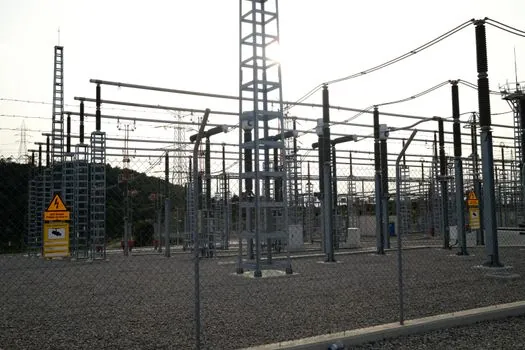
Fuel sludge, volatile wastewater and hydrocarbon-bearing streams can introduce an ignition risk in pits, sumps and other confined areas. Explosion-proof submersible systems are offered for Class I, Division 1, Groups C and D applications, while the power-generation portfolio also lists MSHA certification and high-temperature capability up to 200°F continuous duty [S5].
Certification applies only to the rated pump and its installed configuration. The project must define the classified area, fluid group, temperature class, motor and cable requirements, and controls. It should also verify whether the entire system, including discharge valves and accessories, is suitable for the classified location. Explosion-proof construction is not a substitute for hazardous-area classification.
Submersible pumps are used where continuous operation and access constraints favor installing the motor below the liquid level [S5]. Their selection still requires checking minimum submergence, maximum liquid temperature, cable length, starts per hour, run hours, solids passage and the availability of a suitably rated control panel. The stated 200°F continuous-duty capability is an equipment-specific upper condition, not a general sludge-pump limit [S5].
Address access, controls and operating constraints
Vertical installation must fit the available footprint and preserve access for inspection, part replacement and removal [S2]. In a power station, access matters because confined-space entry, dewatering, lifting and outage windows can dominate lifecycle cost. Specify whether maintenance is performed in place or after pump removal, and whether a guide rail, lifting chain or discharge elbow interferes with the service envelope.
Controls should cover high sump level, low suction level, pump overload, seal-failure indication where fitted and automatic changeover to standby equipment. The power-generation portfolio includes simplex and duplex panels, multifunction panels, oil-spill detection and packaged oil-control systems [S5]. These functions reduce unnecessary manual intervention and help maintain delivery during critical plant load changes.
Solar-powered slurry pumping is feasible where direct solar generation can be sized for the motor and where storage or grid backup covers the required operating schedule. The principal constraints are generator capital cost and fluctuations in sunlight; battery banks smooth the supply but add cost [S4]. A solar package should therefore be compared on delivered flow, annual operating hours, storage autonomy and backup availability, not merely on rated pump power.
Build a defensible shortlist
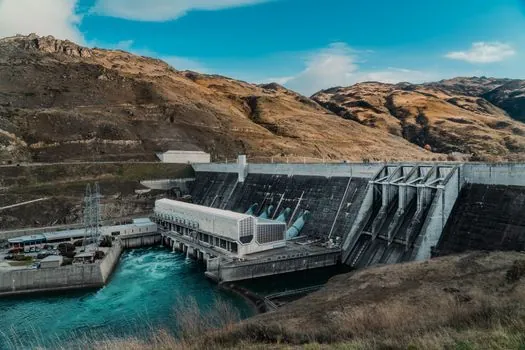
Use four screens to shortlist candidates: service match, hydraulic performance, materials and certification, and maintainability. First establish the solids range and largest passage, then confirm flow and head against the system curve, then verify abrasive and corrosion resistance, and finally check hazardous-area approvals and maintenance access [S1][S2][S5].
Choose a solids-capable centrifugal configuration when its published flow, head and passage rating cover the duty with margin. Choose a vertical or submersible arrangement when pit geometry, space or volatile-service constraints justify it. Choose positive displacement only when controlled displacement or difficult low-speed duty outweighs wear and pulsation concerns. Do not select the mainstream centrifugal option when the stream contains oversize solids, long fibers, rapidly settling deposits or service conditions beyond the pump’s published rating.
Require the vendor to state maximum solids content, maximum particle size, minimum flow, maximum continuous temperature, duty hours, wetted materials, free passage, motor rating and certification marking. Validate those values against representative samples or site data before purchase. The most traceable acceptance record will combine the fluid analysis, system curve, material list, operating profile and hazardous-area classification in one datasheet package.