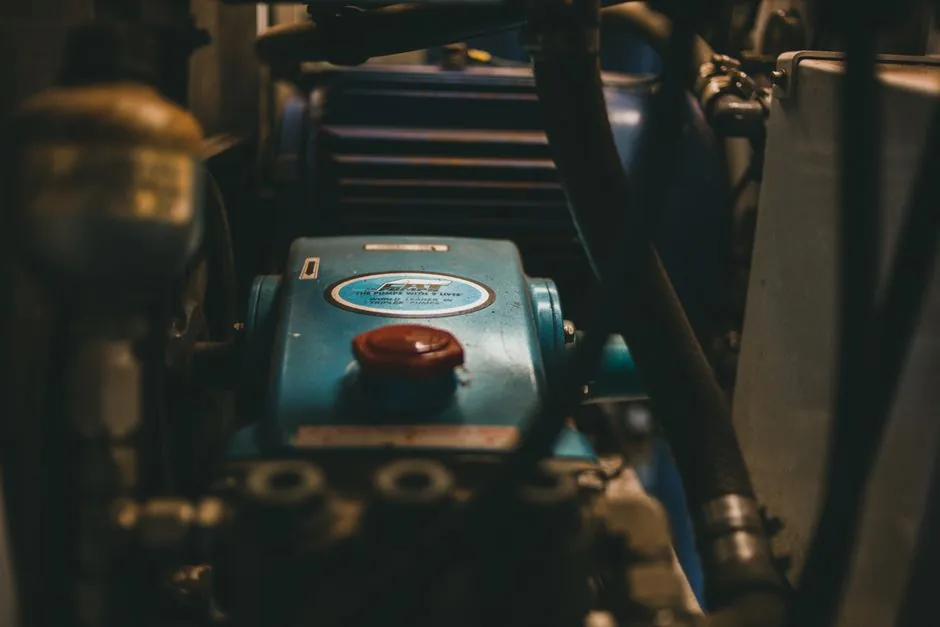
A metering pump for water treatment should deliver the required dose at the actual back pressure, with flow and pressure determined by the application and process [S1][S5].
Diaphragm, peristaltic and piston pumps cover different duties: diaphragm pumps suit clean chemicals, peristaltic pumps tolerate solids, and piston pumps suit higher-pressure applications.
Define the injection duty before choosing a pump
A metering pump delivers an adjustable volume per stroke or revolution, so the first calculation is the required chemical volume per unit of treated water [S7]. For example, a coagulant dose specified in milligrams per litre must be converted to an hourly or daily flow rate before any pump model is selected.
The required discharge pressure must include the pressure at the injection point, the friction loss through the injection line and fittings, and the elevation difference between the pump and dosing point [S6]. Selecting only the static pressure produces an undersized pump that loses capacity or primes intermittently.
Match pump technology to the fluid and pressure
Diaphragm metering pumps are commonly positive-displacement units used where leakage at a rotating shaft seal is unacceptable, particularly for toxic, dangerous or noxious chemicals [S1].
Properly maintained diaphragm metering pumps can cost less to operate over time and are more energy efficient, while both diaphragm and peristaltic pumps require proper operating procedures and regular maintenance [S2]. The wetted diaphragm, valve seats, seals and head must therefore be checked against the chemical concentration and temperature.
Their flexible tubing remains a wear item and chemical-contact constraint. Piston pumps are appropriate where greater discharge pressure is required, but liquid-end seals, valves and piston materials must be compatible with the dosed chemical.
Compare the principal metering-pump options
For a clean sodium hypochlorite or caustic injection line, a diaphragm pump is the usual baseline, subject to material compatibility. For polymer, lime or activated-carbon slurry, a peristaltic unit is more credible because there are no check balls that can foul [S1][S2]. A piston pump becomes more competitive as required pressure rises, but it should not be selected without checking seal life and chemical compatibility.
Set viscosity, solids and gas limits
Water treatment dosing is not limited to clear, low-viscosity chemicals: applications include alum, sodium aluminate, polymers, lime slurry, activated carbon, filter-aid slurry, sodium hypochlorite, hydrogen peroxide, caustic, acids and potassium permanganate [S1]. Each creates a different combination of viscosity, particle size, gas content and corrosion risk.
These figures are selection boundaries for the cited guidance, not a guarantee that every pump within them will perform correctly.
Specify materials against concentration and temperature
When selecting a metering pump, consider the fluid properties, pump material, and resistance to corrosion based on the chemical being pumped [S1][S4]. Resistance to corrosion, depending on the chemical being pumped, is an important consideration when selecting a metering pump [S1].
Compatibility must be checked at the actual chemical concentration, temperature and mixture condition. A material that resists the neat chemical may not resist a diluted or contaminated solution, and elastomer parts need separate verification because each wetted polymer has distinct chemical resistance.
Abrasive slurries need an erosion allowance in addition to corrosion resistance. Polymer and activated-carbon duties should therefore include the maximum particle size, solids percentage and whether the product is shear-sensitive. The metering pump specification sheet should list the diaphragm material, check-valve materials, head material and maximum liquid temperature rather than stating only 'stainless steel construction'.
Choose control, containment and maintenance access
Metering pumps provide precise dosing with adjustable flow rates and can be adjusted to meet various application needs [S1]. Select the control mode from the plant control architecture: analogue control supports continuous trim, pulse control follows a PLC or dosing controller, and batching can integrate chemical consumption records.
API 675 covers positive-displacement pumps for metering, reciprocating and rotary pumps in petroleum, petrochemical and gas industry services, but a project specification must confirm its stated scope before applying it to a water-treatment package. For water-treatment installations, electrical area classification, motor enclosure, local controls and containment should be specified separately.
Diaphragm pumps need valve and diaphragm service, while peristaltic pumps require tubing inspection and replacement [S2]. A canned motor pump is not a substitute for a conventional metering pump because its containment function differs from the positive-displacement dosing requirement.
Apply the water-treatment service examples

Municipal treatment duties include hypochlorite disinfection, acid and caustic pH control, alum or sodium aluminate coagulation, polymer dosing, lime slurry, filter aid, activated carbon, ammonium-based chloramine production and fluoride injection [S1]. Wastewater duties include dechlorination with sodium bisulfite, iron and manganese removal with potassium permanganate, denitrification with methanol, resin regeneration, and copper sulfate dosing in cooling towers [S1].
Each service needs its own flow, pressure and material matrix. A diaphragm pump approved for sodium hydroxide at 10% concentration cannot be assumed suitable for hypochlorite, acid, methanol or a polymer slurry without checking every wetted component. Likewise, a pump suitable for continuous alum dosing may not tolerate the gas released by a peroxide or sodium hypochlorite feed.
Do not select the mainstream diaphragm option when the feed contains significant solids, has automatic gas release, or requires handling a slurry that could settle in the suction line. Select peristaltic or a specifically engineered diaphragm liquid end only after confirming maximum particle size, solids content and viscosity at the injection condition [S2][S5].
Build a complete procurement datasheet
The minimum metering-pump datasheet should state rated capacity at the specified back pressure, speed, stroke range, suction lift, maximum and minimum discharge pressure, viscosity range, solids limit, gas-content requirement and chemical compatibility basis [S4]. It should also identify diaphragm, liquid-head, valve and seal materials, motor voltage, controls, enclosure, duty cycle and available connection sizes.
Require capacity verification at the highest expected system pressure rather than quoting a no-load flow. The electrical and mechanical checks should include maximum enclosure temperature, exposed chemical limits, pump weight, service clearances and access for diaphragm, valve or tubing replacement [S4].
For downstream water conveyance rather than chemical injection, compare hydraulic requirements separately with centrifugal pump selection. A metering pump is correct for controlled chemical addition, not for bulk transfer of raw or treated water.
Shortlist a diaphragm model for clean, pressure-controlled chemical injection, a peristaltic model for particulate-bearing service, and a piston model where higher pressure justifies seal and valve maintenance. Then verify the selected model against the 85% to 90% sizing rule, actual back pressure, maximum viscosity and solids, chemical compatibility and documented control method before releasing the purchase specification [S5].