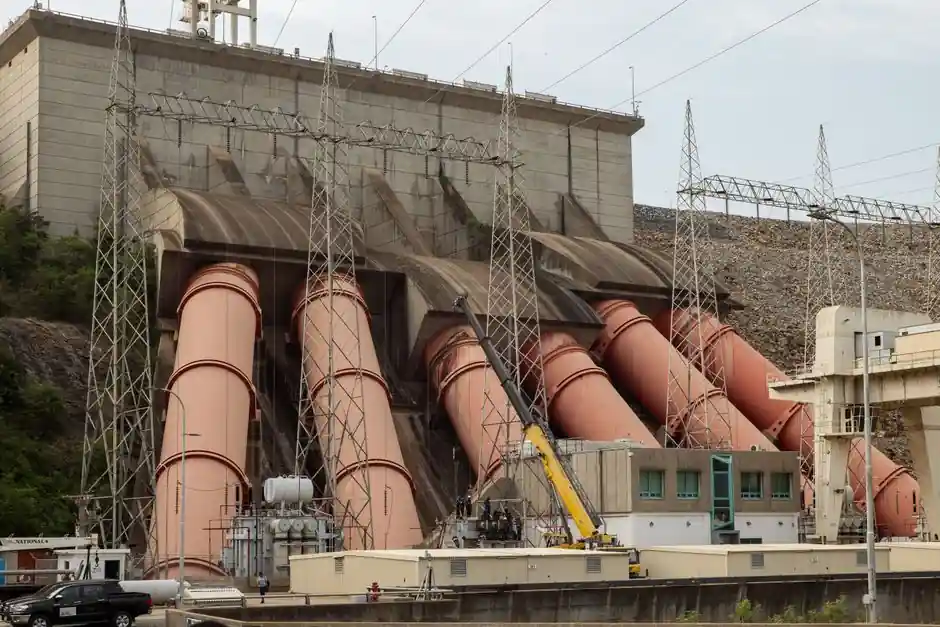
Hydraulic actuators are suited to pulp and paper duties requiring substantial valve thrust, precise linear positioning, and dependable operation under high temperature or high pressure [S1][S7].
Hydraulic actuator duties in pulp and paper
Pulp and paper plants meter bleaches, chemicals, and other liquid ingredients through valves that may include large knife gates requiring high thrust [S1].
Hydraulic actuators convert pressurized oil into controlled linear force or torque, allowing a compact unit to deliver high output [S2]. One actuator reference states that hydraulic actuators can produce forces up to 25 times those of pneumatic cylinders of equal size, although the absolute load must still be calculated from valve geometry, pressure, seal friction, and safety factors [S7].
This makes hydraulics a credible option for isolation and shutdown service, but it does not make them the default choice for every pulp and paper valve.
Selection criteria tied to valve duty
The governing valve requirement determines the actuator configuration: linear actuators provide straight-line force over a defined stroke, while rotary actuators provide circular movement through a specified angle or number of turns [S2][S4]. Rotary actuators turn a shaft, while linear actuators move a stem or rod along a straight path, and the valve or damper's operating mechanism and movement requirements influence the actuator configuration.
Specify at least 7 items before choosing equipment: rated valve torque or thrust, usable stroke, travel time, operating pressure, number of cycles per hour, failure position, and available hydraulic-unit capacity. Also establish the minimum fluid temperature, maximum fluid temperature, required filtration, allowable leakage, and enclosure or hazardous-area classification. If the valve must modulate continuously, add positioning resolution, deadband, response requirement, and minimum run duration [S2][S3].
The available cylinder area and supply pressure must produce more than the maximum valve load. A practical specification includes the valve’s maximum differential pressure, full opening force, seating force, friction, and line-pressure effects. Do not select from nominal valve size alone, because the same valve can present substantially different loads between closed, mid-stroke, and fully open positions.
Hydraulic versus pneumatic and electric options
Hydraulic, pneumatic, and electric actuators should be compared on force, control duty, environment, and installed utilities. For heavy-duty motion, a hydraulic actuator may be the obvious choice, while the best actuator type depends on application-specific requirements and considerations.
Do not choose hydraulics solely because a valve is large or operates in a hazardous area. Hydraulics add a power unit, fluid cleanliness requirements, leak-control provisions, and maintenance interfaces. If the duty is low-force, infrequent, and electric utilities can meet the cycle and torque requirement, an electric actuator may be simpler to support. Comparison logic for those boundary cases is covered in Electric Actuator Selection for Pulp and Paper.
Cylinder, intensifier, and valve-actor configurations
A conventional hydraulic cylinder is appropriate where valve thrust and stroke are known, the pressure supply is stable, and the required motion can be controlled by valves or a positioner. The cylinder must be checked for rod buckling, stroke-end contact, side loading, and the mechanical connection to the valve stem. [S2]
This arrangement is relevant to large knife gates with high thrust, but it adds control and failure analysis for pressure intensification, leaks, stored energy, and pressure relief.
A hydraulic valve actuator, often treated as an integrated cylinder and hydraulic positioning assembly, suits valves requiring repeatable travel and active positioning.
For rotary process duty, a rack-and-pinion actuator can convert hydraulic piston travel into pinion rotation. The governing limits remain valve torque, rotation angle, bearing and gear loading, allowable side thrust, and the need to limit end-of-travel impact.
Control, fail-safe behavior, and modulation

A hydraulic cylinder does not become fail-safe merely because it is hydraulic; the design must define how accumulated energy is vented, trapped, counterbalanced, or mechanically held.
For throttling or positioning service, use feedback from the valve position rather than relying on cylinder-stroke indication alone. The controller should command the hydraulic directional control equipment, monitor actual position, detect the target limit, and stop safely at the end of travel. The hydraulic valve serving the actuator must have the flow capacity to control approach speed and avoid pressure intensification at closure.
Control quality also depends on oil condition and contamination control. A hydraulic pump, reservoir, filtration, and fluid temperature control determine whether force and positioning remain repeatable. An actuator specified only by thrust is incomplete: the hydraulic system must support the commanded pressure and flow without exceeding the cylinder or valve actuator's limits.
Materials, environment, and maintenance constraints
Pulp and paper installations may combine washdown, chemical exposure, outdoor access, temperature variation, and valve sizes extending from small control duties to large knife gates [S1]. The actuator package therefore needs an environmental specification covering enclosure, corrosion protection, ingress protection, fluid temperature, and exposed or non-exposed mounting [S2].
Verify cylinder barrel, piston, rod, and seal materials against the selected hydraulic fluid and the surrounding atmosphere. Corrosion protection alone does not prevent hydraulic fluid incompatibility, and a high-strength rod does not compensate for an unsuitable seal material. For nearby processes, review the pressure-temperature rating of the complete actuator and the valve rather than assigning a generic temperature limit to the actuator alone.
Maintenance design should permit inspection of rod seals, leakage, hose or pipe connections, position feedback, and stored-energy isolation. ATI offers manual overrides and local automatic-manual controls among its pulp and paper products, which can support controlled recovery during maintenance [S1]. A local selector should not bypass the normal fail-position logic without a documented operating procedure.
Procurement specification and acceptance tests
A procurement package should identify the actuator type, orientation, thrust or torque rating, stroke or angle, maximum and minimum supply pressure, travel time, duty cycle, fail position, fluid, temperature range, control signal, feedback type, materials, protection class, and required accessories [S2][S3]. The package should also identify the valve size, valve type, maximum opening and closing differential pressure, and seating arrangement.
Factory acceptance should demonstrate full stroke in both directions, controlled approach to the open and closed limits, nominal travel time under specified pressure and flow, leakage acceptable to the project specification, stable positioning, and the specified loss-of-power or loss-of-hydraulic-supply response. If the contract requires frequent modulation, include a representative cycling test rather than verifying only one open-close cycle.
The final shortlist logic is straightforward: choose a standard hydraulic cylinder for known thrust and controlled travel, an integrated hydraulic valve actuator for positioning-heavy duty, and an intensifier arrangement when very high thrust justifies the added hydraulic complexity [S1]. Reconsider hydraulics when the duty is infrequent, low-force, and can be handled more simply by electric or pneumatic equipment [S3][S4].
Track valve torque or thrust, cycles per hour, modulation demand, and hydraulic-unit availability in the final datasheet review; any unresolved value prevents defensible actuator sizing.