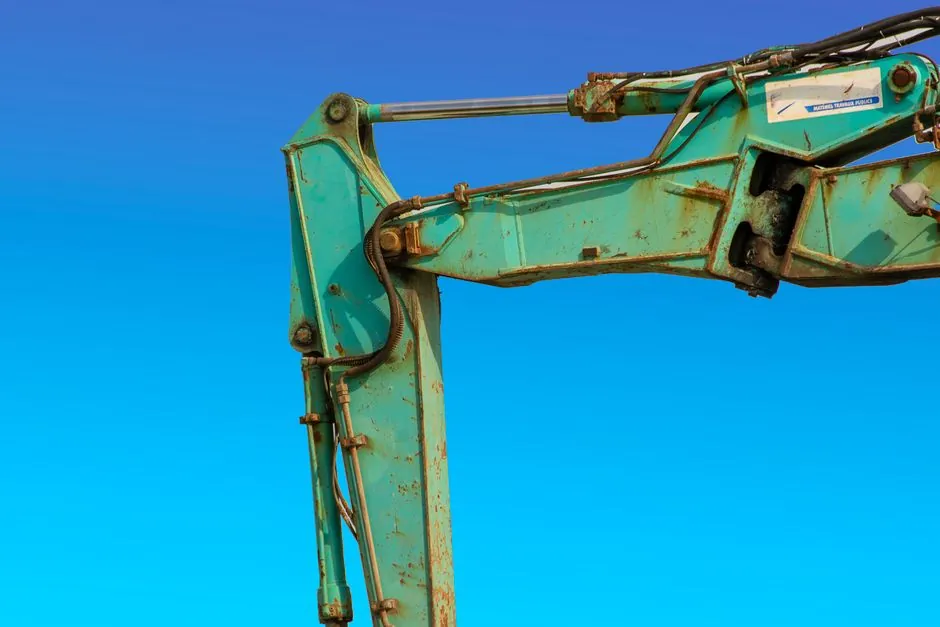
In a hydraulic system, the cylinder invoice is usually 10% of what the asset will actually cost over its working life, with the balance absorbed by energy, fluid, seals, labour, and unplanned downtime, per UK hydraulics guidance published 2026-06-11 [S3].
The reference frame matters because procurement and engineering read different spreadsheets: procurement sees line-item capex, engineering sees Mean Time Between Failure (MTBF) and mean time to repair. A TCO model forces those two views onto the same page, and for a hydraulic cylinder that means evaluating bore, stroke, rod treatment, seal kit, and duty cycle against energy, contamination, and rebuild cost, not just against unit price.
What TCO Actually Counts for a Hydraulic Cylinder
Heavy-equipment TCO is built from purchase price plus fuel, maintenance, insurance, and operating cost, with residual value subtracted [S2]. For a hydraulic cylinder, that template compresses into six line items: acquisition, installation, energy consumed by the hydraulic pump driving the cylinder, fluid and filtration, planned and unplanned maintenance, plus end-of-life recovery or disposal. The same logic that grades a haul truck or an excavator also grades the cylinder inside it, which is why the construction-machinery cylinder market was valued at $18.6 billion in 2025 and is projected to reach $30.4 billion by 2034 at a 5.6% CAGR [S5].
A useful rule of thumb: initial purchase price can be about 10% of total ownership cost, with the remaining 90% spread across operating and lifecycle costs, per the same UK hydraulic guidance [S3]. That ratio is what flips a procurement decision: a 15% price premium on a better-sealed, hard-chrome-plated rod can pay back inside one avoided rebuild cycle on a 250 bar mobile boom.
The Six Cost Drivers, Ranked
Driver 1, energy: the hydraulic system converting pump flow into cylinder work typically runs 60-80% overall efficiency when the circuit is clean and properly matched, and falls sharply as leakage, throttling, and heat rise. Driver 2, fluid and filtration: ISO 4406 cleanliness targets (e.g. 18/16/13 for general industrial, 16/14/11 for servovalve-class mobile circuits) directly set filter changeout cadence and fluid replacement cost; one ISO code step up roughly triples particle-related wear [S4]. Driver 3, seals: rod seal, piston seal, wiper, and buffer seal kits are the scheduled-consumable line; their material (NBR, HNBR, FKM, PTFE-based compounds) and the rod surface beneath them decide service interval. Driver 4, downtime: hourly downtime on construction or press equipment routinely runs 5-50x the hourly labour rate, so a 4-hour unplanned stop can erase a year's worth of seal savings [S3]. Driver 5, rebuild vs replace: an in-shop cylinder rebuild typically runs 30-60% of a new unit cost, and only beats new when the bore, rod, and end mounts are still within OEM wear limits. Driver 6, installation and commissioning: routing errors that violate hose minimum bend radius create high-pressure spots that cut hose life in half, an avoidable TCO line that starts at the design desk [S4].
Selection Criteria That Move the 90%
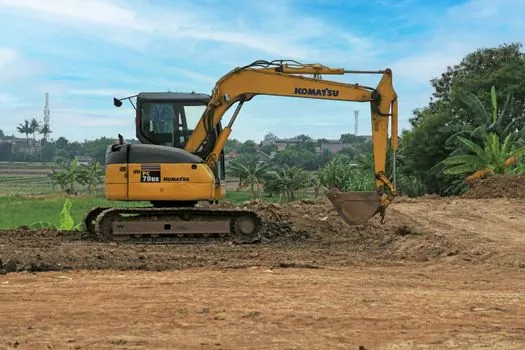
Bore and stroke set the force and speed envelope, but they do not, on their own, set TCO. What does: rod diameter relative to bore (a buckling and side-load margin), rod surface treatment (hard chrome, chrome-free HVOF, induction-hardened), seal class (NBR for mineral oil below 80 °C, FKM for higher temperature, PTFE for high-pressure cycling), and end-mount style (cross-tube, clevis, trunnion, fixed-eye) which dictates side-load and misalignment tolerance. A cylinder that is correctly sized for force but undersized for side load will polish the bore inside 10,000 hours, turning a 5-year service life into an 18-month life, which is the textbook way a low-catalogue-price cylinder becomes a TCO disaster [S3][S4].
Designers should also weigh contamination tolerance up front, not after warranty. A cylinder downstream of a poorly filtered circuit will ingest upstream wear particles through its rod wiper; specifying a double-lip wiper and a rod-bushing clearance matched to ISO 4406 targets is a one-line drawing change that protects the bore, the seals, and the hydraulic actuator loop as a whole. Hose routing, support bracket spacing, and minimum bend radius are equally cheap at the drawing stage and very expensive once the machine is in service, so they belong on the same TCO checklist as the seal kit part number [S4].
Buying Decisions: When the Higher-Priced Cylinder Wins
In those envelopes, a step up from a basic NBR/hard-chrome package to a PTFE-seal, HVOF-rod, double-lip-wiper package typically pays back in 12-24 months through longer seal life, lower leak rate, and reduced contamination ingress [S3][S4].
The cheaper cylinder wins only when duty is genuinely light (under 20% duty cycle, low cycle count), the environment is clean, downtime is cheap or scheduled, and rebuild labour is readily available at low cost. Outside those four conditions, the catalogue saving is consumed by maintenance, fluid, and lost production long before the asset reaches its design service life.
Use Cases Across the Cost Spectrum

Mobile construction (excavator booms, loader lifts, dump-truck tippers): high duty, dirty environment, high downtime cost; TCO favours heavy-rod, premium-seal, chrome-free rod coating packages. Stationary industrial (press rams, balers, injection mould clamps): high cycle count, clean environment; TCO favours precision-bore, PTFE seals, and condition-monitoring ports. Agricultural (ploughs, harvesters, loader attachments): seasonal, intermittent, often outdoors; TCO favours repairable designs with stocked seal kits and locally available rod refurbishment. Marine and offshore: salt exposure, regulated certification; TCO must factor in surface treatment and certification overhead, not just base price. [S3]
Limitations and Failure Modes Engineers See in the Field
Rod scoring from contamination bypassing the wiper; bore polishing from side-load-induced contact; seal extrusion at peak pressure spikes above the seal's rated limit; hose abrasion at clamp points that exceed minimum bend radius; and rod-bushing galling when lubrication is neglected. Each of these failure modes has a known root cause and a known prevention cost, which is the entire point of doing TCO before, not after, the purchase order is cut [S3][S4]. Practical guidance on installation, mounting torque, and bleeding is laid out in the 2026 field guide to hydraulic cylinder installation, and a complementary read on the spec-side trade-offs is in the Hydraulic Cylinder Advantages and Disadvantages spec map.
A verifiable next step for any procurement team: pull the last 24 months of cylinder-related work orders, separate planned seal service from unplanned rebuilds, and convert each unplanned event into downtime-hours x hourly production loss. That number, divided into the current annual cylinder spend, is the most honest TCO ratio available, and it is usually the figure that justifies the next spec upgrade. Watch, over the next two quarters, for any further shift in ISO 4406 cleanliness defaults in mobile-equipment OEM specifications, and for movement in chrome-free rod coating pricing as supply scales.