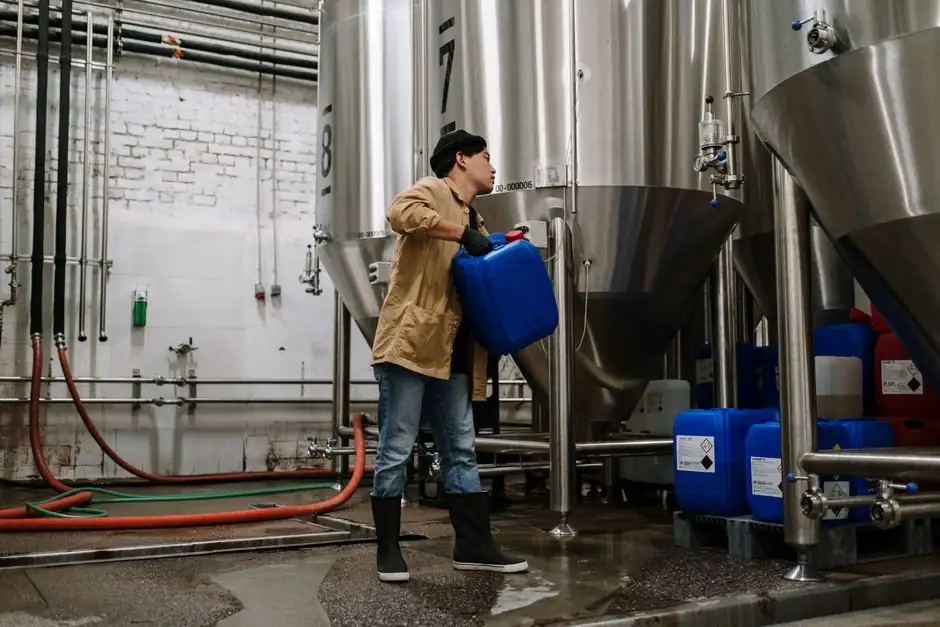
An IP65-sealed 2D imager with 1.8–2.4 m drop rating is the safe default for water-treatment scanning of IBC totes, chemical drums, and clarifier asset tags, where spray, condensation, and chlorine mist are constant [S1][S2].
Water and wastewater plants are an unusual blend of indoor control rooms, outdoor lift stations, and walk-in chemical rooms, so the scanner must tolerate both drip exposure on a HMI bench and full jet-spray during CIP wash-downs on the filter floor [S2].
Why a Water-Treatment Plant Is Harder on a Scanner Than a Dry Warehouse
Most plant surfaces stay damp or wet: a general-purpose IP54 scanner can survive water sprayed from any direction but typically malfunctions if submerged, which rules it out for clarifier, thickener, and screen-room duty [S2]. Chlorine dioxide and sodium hypochlorite vapours also fog acrylic windows, so a sealed IP65+ housing with a replaceable, anti-fog lens is the practical floor, not a nice-to-have [S1][S2].
Industrial-grade units are routinely drop-tested from about 1.8 m onto concrete, and rugged warehouse models such as the Honeywell CT70 are rated for drops of up to 2.4 m, a useful proxy for ladder falls off catwalks around aeration basins [S1][S4]. The same body that protects the imager also carries heat management for continuous shifts in pump-station enclosures that sit above 35 °C in summer [S1].
Imager vs Laser vs CCD: Which Engine Belongs in a Wet Plant
A 2D imager (area-scan CMOS) is the most versatile engine for water treatment because it reads 1D Code 128, 2D DataMatrix, and QR codes regardless of orientation, and tolerates glare from wet stainless surfaces far better than a single-line laser [S1][S3]. Laser scanners still earn a slot for long-distance reads (4–6 m) on tote labels stacked across a chemical cage, while CCD line scanners are limited to close-range, contact-style reads and are not specified for outdoor or wash-down zones [S1][S3].
Imagers also handle the damaged, faded, and chemically-etched labels that are common on reused drum heads and engraved asset tags, an area where Honeywell Voyager XP and Xenon Ultra are explicitly marketed to read barcodes that are hard to see or damaged [S3]. In practice, a plant that standardises on 2D imagers for asset tagging removes the need to keep separate laser and CCD fleets on the spares shelf.
Decision Criteria for Spec'ing a Plant Scanner
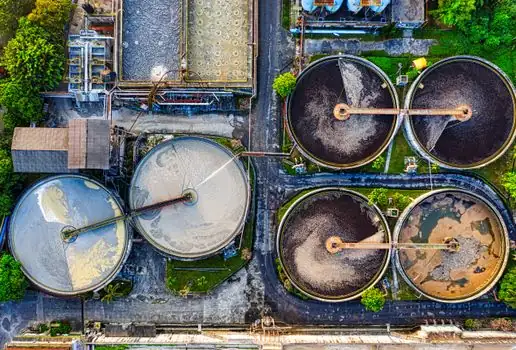
Five numbers drive the spec sheet for a water-treatment scanner, and each one maps to a real failure mode: ingress protection (IP65 minimum, IP67 for basin decks), drop survival (1.8 m concrete minimum, 2.4 m for handheld crew units), symbology stack (1D + 2D including DataMatrix and QR), connectivity (USB, Bluetooth, or Wi-Fi 6 for mobile rounds), and battery hot-swap or wired POE for fixed-mount reads at dosing skids [S1][S2][S3].
Fixed-mount imagers at CIP panels and chemical dosing skids are typically powered and tabled over Ethernet, while roaming operators at clarifiers and pump stations benefit from Bluetooth pairing to a rugged tablet. Honeywell's wearable ring scanner line is aimed at hands-free warehouse and shipping work, a form factor that has begun migrating into wastewater sampling rounds where both hands are needed on the sample port [S3].
Three Named Picks That Actually Ship to Utilities
The Honeywell CT70 is the most cited rugged handheld for industrial warehouses in 2026 buying guides, rated for drops of up to 2.4 m and designed for demanding warehouse environments [S4]. The Zebra DS2208 line remains a value workhorse: at roughly USD 103 it is lightweight, widely supported, and reads 1D and 2D codes, which makes it a common sight on small-plant receiving benches where the budget cannot stretch to fully rugged units [S7].
Zebra's industrial portfolio overall spans handheld, fixed-mount, and wearable scanners built for retail, healthcare, and manufacturing, which gives utilities a single vendor path from a 50 mm fixed-mount scanner on a chlorine analyser skid up to a CT60-class mobile computer for meter-reading rounds [S6]. Datalogic rounds out the field with fixed industrial imagers and mobile healthcare scanners that share firmware, cabling, and accessories with its logistics line, simplifying stocking for multi-site water authorities [S3].
Comparison Table: Engine vs Plant Use Case
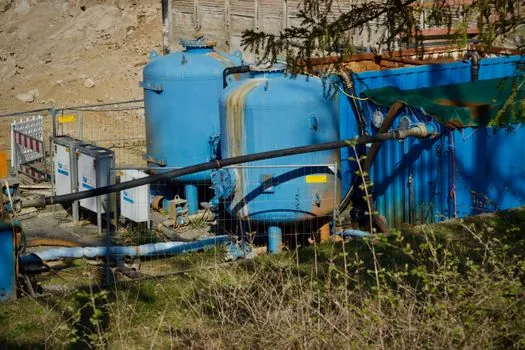
Match the optics to the environment: laser for tote-cage reads 4–6 m away on a clean label, 2D imager for damaged or wet labels within 1 m, CCD only for fixed indoor check-out style reads where the label is hand-presented [S1][S3]. For chlorine-room and CIP wash-down zones, only IP65+ 2D imagers should be on the bill of materials, because general-purpose IP54 units are documented to fail when submerged even briefly [S2].
For broader context on how 2D imagers and 1D lasers feed into SCADA and LIMS data capture, see the industrial barcode scanner reference page, which also covers symbology stack depth and decoder firmware lifecycle.
Integration With Plant Systems and Spare-Parts Sourcing
Most plant scanners land in one of three systems: the LIMS for sample-bottle IDs, the CMMS for asset and lubrication routes, and the SCADA historian for batch and dosing records. All three expect raw decoded strings, not images, so a scanner that outputs RS232 or USB-HID keystroke data without a vendor-specific driver is the lowest-friction drop-in, and a barcode scanner selection guide for water utilities reinforces the same point on symbology handshakes [S1].
For utilities that also operate their own laboratory, a 2D imager doubles as a sample-tube reader for LIMS, and a related reference on online water analyzers covers the analyser-side wiring that scanner IDs feed into. Keeping the symbology set to GS1-128 plus DataMatrix, instead of proprietary 2D formats, also makes consumable label printers easier to qualify against the same fleet, which is touched on in a barcode scanner selection guide for water utilities elsewhere in this set.
Limits, Failure Modes, and What NOT to Specify

Do not pair a Class 1 laser scanner with a chemical room that may drift into a classified zone, and do not standardise on CCD line scanners for outdoor pump stations where temperature swings cause focus drift [S1][S3]. Sub-IP65 handhelds will fail the first quarterly hosedown, and pure laser units will misread wet, glossy drum labels that a 2D imager can decode at the same distance [S1][S2].
Track two signals over the next two quarters: vendor firmware lifecycle for the Honeywell CT70 and Zebra DS2208 families, which govern decoder support for new 2D stacks, and any revision to the IP65/IP67 test methodology that utilities cite in their standard specs. The 2026 best-of guides continue to rank CT70 and DS2208-class devices on ruggedness, and any shift at the top of those lists is the earliest public signal that a fleet re-spec is due.
The underlying component specifications are covered under ballast water treatment.
Background reading: Concrete Groove Cutter Specs for Landscaping Jobs.