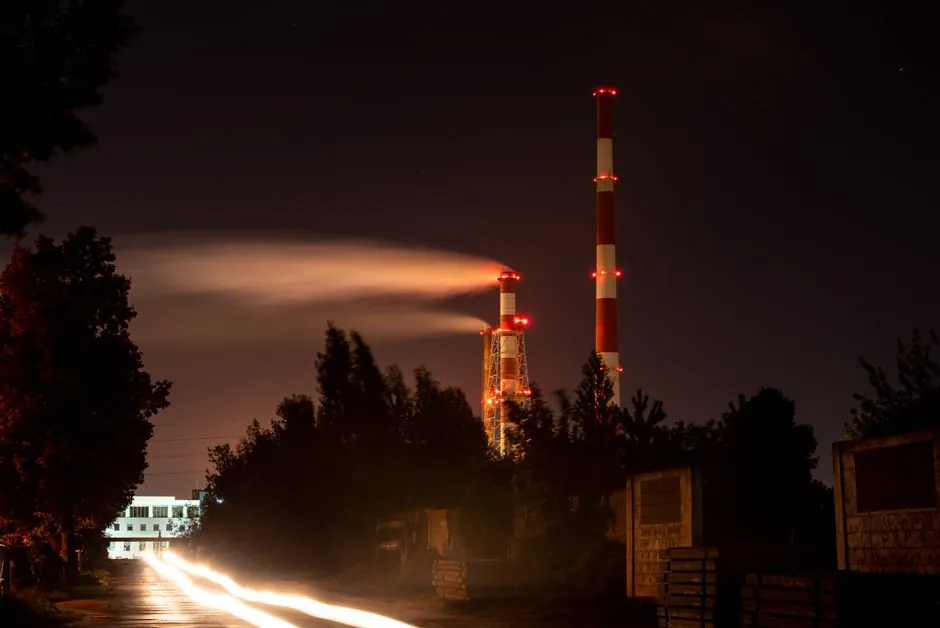
Large custom-designed industrial steam boilers typically take 6–12 months [S2].
Procurement teams should identify the boiler package, long-lead materials, and safety-critical replacement parts early because critical operational and inspection components may be unavailable or nearly out of stock [S1][S2].
Lead-Time Range by Boiler Configuration
Small, standardized package boilers can be delivered in 3–6 months, whereas large custom boilers generally require 6–12 months [S2]. Manufacturing and delivery lead time depends on boiler size, design complexity, material availability, fabrication processes, customization requirements, quality inspections, regulatory certifications, and shipping logistics [S2].
Design complexity creates a clear schedule difference. Large water-tube boilers need engineering, tube bending, welding, and stress testing, while standard designs avoid much of that custom work [S2].
The industrial boilers market was valued at USD 17.1 billion in 2025 and is projected to reach USD 17.7 billion by the end of 2026 [S4]. Water-tube boilers account for 42.7% of the product-type segment in 2026, while units in the 10–50 MMBtu/hr capacity segment represent 36.9% [S4].
Materials That Set the Critical Path
Material availability, design complexity, and customization can increase boiler lead time [S2].
Material availability, design complexity, and customization influence boiler lead time [S2].
For procurement, material quotations should identify grade, dimension, quantity, inspection requirement, and delivery location rather than only the boiler line item. The relevant industrial gear and lead screw pages apply only if the project package also includes driven internals, but boiler tubing, valves, burners, and pumps should remain separate procurement lines with their own dates.
Customization, Testing, and Shipment Additions
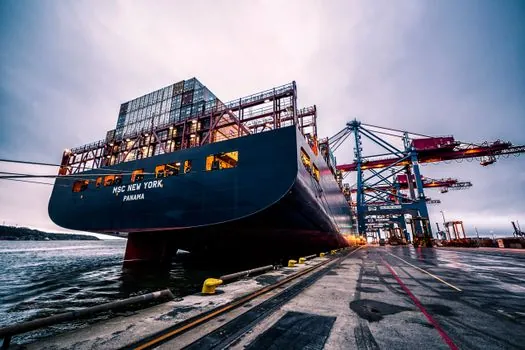
Quality inspections, regulatory certifications, and shipping logistics can influence boiler lead time [S2].
Shipping logistics influence boiler lead time [S2].
That produces a practical planning rule: do not treat an ex-works fabrication date as an operational start-up date.
Comparing Standard and Custom Boiler Schedules
The main comparison is not simply “fast versus slow boiler.” It is standard package equipment versus custom water-tube equipment, measured by engineering freedom, critical-material exposure, factory testing, delivery mode, and contingency exposure. Large custom-designed boilers typically take 6–12 months, while standard package boilers may be delivered in 3–6 months [S2].
The comparison matters because design savings may disappear when they trigger a nonstandard metallurgy or duplicated approval cycle. Requiring the supplier to quote the approved design basis, critical material list, inspection hold points, and shipping terms gives procurement a comparable schedule rather than a generic lead-time statement.
Replacement Parts Create a Separate Delivery Risk
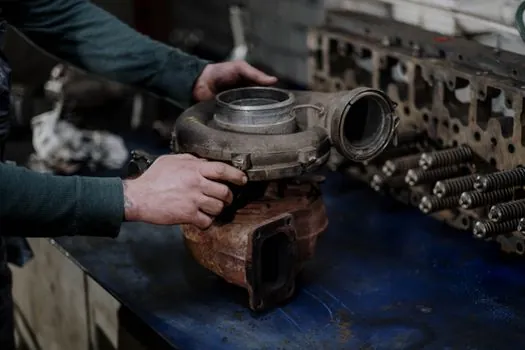
Critical operational and inspection components may be unavailable or nearly out of stock, creating a material operational exposure when an existing boiler fails [S1]. A plant that waits for a failed float, level controller, gas-valve actuator, PLC card, relay module, or boiler gasket after the event has already lost the recovery window [S1].
The critical spares list should therefore cover level-control floats, probe-column assemblies and controllers, PLC and I/O modules, relay modules, handhole and manhole gaskets, fireside gaskets, electromechanical gas-valve actuators, fuel-valve bodies, steam and water valve assemblies, pump castings, and blower impellers [S1]. Rental boilers can serve as a contingency, but availability is variable and should not be treated as an unlimited substitute for planned parts coverage [S1].
Operators can reduce emergency exposure through daily boiler-room checks of water level, pressure, and firing status, together with repair of developing defects [S5]. This matters because deferring maintenance can shorten a boiler’s useful life by 30–50%, while a typical design life is 20–30 years [S3].
Cost and Operating Scope Behind the Delivery Date
Commercial replacement cost ranges from USD 18,000 to more than USD 250,000, depending on capacity and system configuration [S3]. Installation scope is not a minor line item: removal and disposal can add USD 1,500–6,000, permits can add USD 500–3,500, and new venting, gas-line upgrades, building automation integration, or crane work can double or triple baseline installation labor [S3].
Efficiency changes the business case as well as the schedule. Condensing boilers rated at 90–98% AFUE cost 30–50% more upfront than 80–84% AFUE standard units, with a typical 3–5 year payback where the system operates for at least 3,000 heating hours per year [S3]. Fuel conversion can add USD 5,000–25,000 in piping and utility-connection work [S3].
These figures belong mainly to commercial hot-water replacement decisions, while the industrial steam lead-time ranges cover steam equipment, so they should not be merged into one cost model. For a steam plant, the defensible 2026 schedule inputs are the boiler configuration, pressure-vessel and tube metallurgy, code and inspection scope, site assembly requirements, freight route, and spare-parts coverage [S2][S3].
Controls for a Defensible Procurement Plan
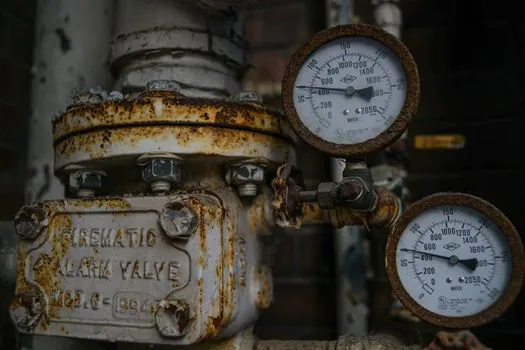
A purchase order should separate at least six dates: design approval, material release, pressure-part receipt, fabrication completion, hydrostatic and performance-test completion, and site commissioning [S2]. Adding a delivery buffer is not a substitute for identifying the critical path, especially where alloy tubes take 8–12 weeks or stainless steels take 12–16 weeks [S2].
Weekly schedule reviews should track the status of drawings, calculations, material certificates, tube procurement, weld inspection, code documentation, third-party inspector bookings, shipping permits, and site foundations [S2]. If international logistics apply, the plan should carry the documented 4–8 week customs and transit increment rather than treating freight as a fixed factory-to-site date [S2].
The closing procurement node is a factory-approved bill of materials with every long-lead item tied to the governing drawing revision. A second node is the spare-parts reorder point for each boiler-room critical item, because replacement lead times and new-equipment fabrication times are different procurement problems [S1][S3].