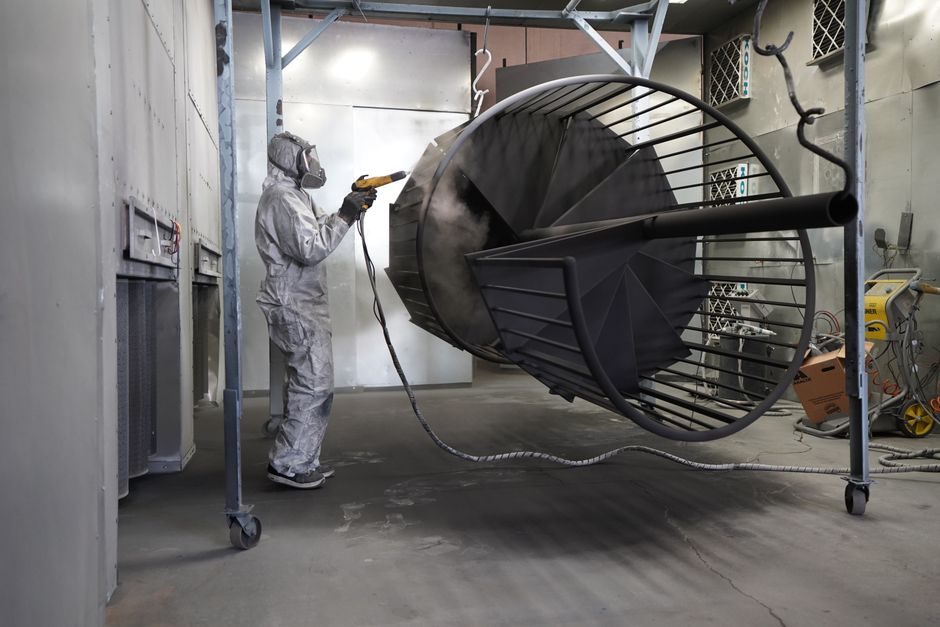
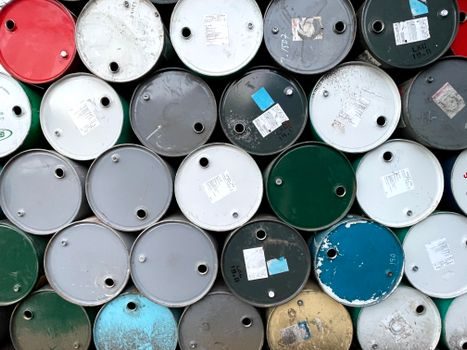
Listed industrial coating offers on the open B2B market show a published $0.01–$1/kg price spread, packaged in 1 kg, 25 kg and 200 kg drums, with 1 kg minimum order and 50-ton supply ability per supplier entry dated 2025-12-12 [S1].
The price band is wide because "industrial coating" is an umbrella covering epoxy, polyurethane, alkyd, fluoropolymer, silicone, zinc-rich and ceramic-filled chemistries, each with a different resin cost, solids content and regulatory load. Buyers in 2026 should treat the listing low end as a generic, unfilled, non-spec resin system and the upper end as a formulated, REACH-registered, ISO 9001:2015-controlled product [S1].
Resin Chemistry Sets the Baseline Cost
Epoxy and polyurethane binders dominate heavy-duty industrial coating specifications, with fluoropolymer and silicone topcoats priced several multiples above commodity alkyd systems [S1].
Buyers comparing two quotations should always normalise to USD per m² at the specified DFT before drawing a price conclusion.
MOQ, Pack Size and Freight Tiers
The reference listing tiers MOQ at 1 kg with pack options of 1 kg, 25 kg and 200 kg drums, and quotes a 50-ton/month supply ability, which is a useful sanity check on whether a mill is a relabel trader or an actual compounder [S1].
Buyers planning less than 1 ton/year should accept this premium as a structural cost and not chase a large-drum price they will never consume.
Certification Stack: ISO 9001, REACH and Beyond
ISO 9001:2015 quality management and REACH registration are the two certifications that appear on the reference product entry and that European and Korean EPCs will not waive [S1]. For corrosion-protection service on carbon steel in chemical, marine or offshore service, NACE MR0175 / ISO 15156-compliant coating systems are typically required on any wetted or process-wetted substrate, and they command a formulation premium of 15–30% over non-qualified systems.
For projects crossing into EU hazardous-area zones, an industrial coating that meets ATEX 2014/34/EU equipment-category requirements for static-dissipative or non-sparking finishes carries a smaller, more specialised supplier pool. Buyers should always request the REACH SDS, the ISO 9001:2015 certificate number, and the lot-specific COA before signing a PO; a 2025-12-12 entry without these documents is essentially a trader's listing, not a manufacturer's [S1].
Application Cost: Surface Prep, DFT and Rework
Applied cost is dominated by surface preparation: SSPC-SP10 / Sa 2.5 near-white blast is the de facto reference for heavy-duty epoxy and polyurethane systems, and blast media + disposal frequently equals the coating material cost on tank, pipe and structural work. A coating thickness gauge verification pass on every batch is standard QA spend, and dry-film thickness under-spec is the single most common warranty-disqualifying defect on industrial coating jobs. [S1]
For water-immersed and outdoor exposure, specifying a waterproof coating system with documented DFT (typically 250–500 µm for immersion service) and a documented overcoat window is the cheapest insurance against early delamination. Saving 10% on the resin line and losing 30% to a re-blast after 18 months is the typical pattern when the cheap alternative is chosen without an applied-cost model.
Decision Matrix: Generic Resin vs Formulated Spec System

For a low-corrosion, indoor, dry-area specification on carbon steel where aesthetics do not matter, a generic epoxy at the $0.01–$0.1/kg end of the open listing band is a defensible buy if a 200 kg drum is consumable and the supplier is ISO 9001:2015-registered [S1]. For chemical immersion, marine splash zone, or hydrocarbon service under NACE MR0175, a formulated system at the $0.1–$1/kg end with REACH SDS, batch COA and a written DFT schedule is the only defensible buy.
The crossover where applied cost (blast + labour + QA) starts to dominate material cost sits around the 250 µm DFT / single-coat spec; above 400 µm DFT or multi-coat specs, material cost becomes the smaller line item and resin-quality decisions matter more than per-kg price. Cross-check resin choice against the broader industrial adhesive spec if the coating also doubles as a bonding primer, to avoid specifying two incompatible chemistries on the same substrate.
Sourcing and Logistics Signals to Track
The 50-ton/month supply ability figure on the 2025-12-12 entry is a credible mid-tier compounder scale, which is the right size for plant-engineering and OEM panel buyers but below the volume tier that drives direct-mill contracts at the largest Chinese producers [S1]. Track three signals between now and year-end 2026: published resin index moves (epichlorohydrin and MDI for epoxy and PU), REACH SVHC candidate-list updates that may bump a common pigment out of compliance, and ISO 9001:2015 surveillance audit cycles that periodically remove lower-tier suppliers from approved-vendor lists.
For related coverage, see Silent Chain Buying Guide 2026: Pitch, Profile, Lubrication and Sourcing Gates.