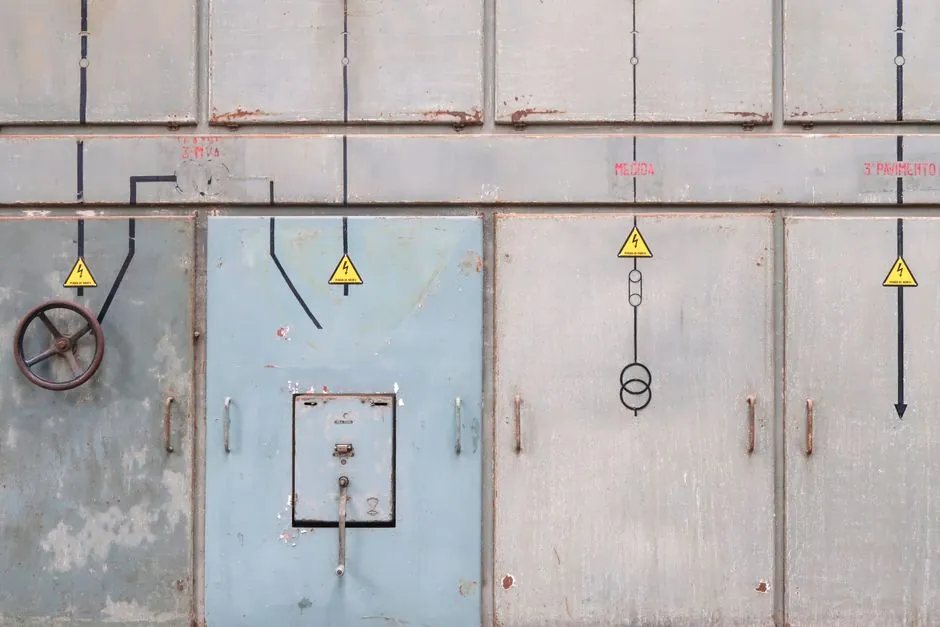
Industrial Ethernet switches allow devices and networks to connect for communication and monitoring and are designed for use in harsh and rugged environments [S1][S2][S4].
They suit factories, transportation systems, energy facilities, and outdoor cabinets, while managed versus unmanaged models determine configuration burden, observability, and redundancy options [S4][S6].
Core advantages of switched industrial Ethernet
An Ethernet switch receives a complete frame and forwards it only to the appropriate port after learning device addresses. A repeating hub instead retransmits incoming bits to the shared segment and permits only one device to transmit at a time, making the switch more bandwidth-efficient [S3].
This advantage matters when an industrial Ethernet switch connects controllers, sensors, remote I/O, and monitoring equipment through a wide selection of port configurations.
Purpose-built hardware can also operate without climate-controlled enclosures in harsh locations, although the environmental rating of the specific model must be checked [S5].
Environmental durability and long-distance reach
Industrial switches are designed for extreme temperatures, vibration, electrical noise, and dust rather than the controlled conditions of an office [S8].
This makes optical interfaces practical for remote process assets, roadside cabinets, tunnels, and campus-scale networks, but it also requires disciplined link-budget and fiber-installation planning.
Managed and unmanaged switches compared
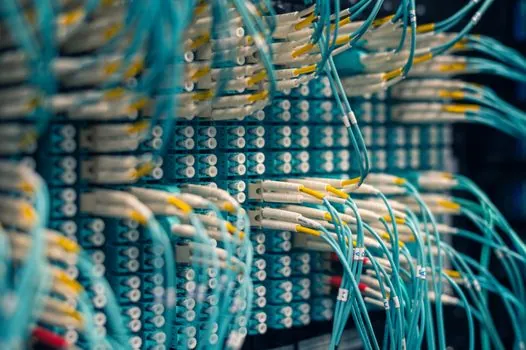
Managed equipment is the stronger choice where the network has many connected devices, high-availability requirements, or a need for network management; unmanaged hardware is more appropriate for simple, stable links [S6].
Disadvantages and failure modes
A switch learns where Ethernet devices are located and forwards frames only to the appropriate switch ports, whereas a hub allows only one device at a time to communicate across the network [S3]. Engineers must use port LEDs, link status, management telemetry, and controlled testing to locate faults rather than inferring network behavior from shared traffic.
A single communication failure can disrupt production, compromise safety, and lead to costly downtime [S2]. Commercial equipment exposed to voltage surges, electromagnetic interference, temperature extremes, dust, vibration, or humidity may fail in ways that affect the complete communication chain [S2].
Selection criteria for plant and field networks
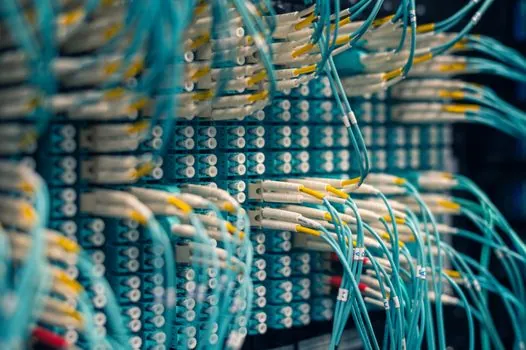
Start with the port count and rate required by connected equipment, then verify the switch’s address-table capacity against the planned number of devices.
Verify environmental limits, shock and vibration ratings, grounding, surge protection, electromagnetic compatibility, and enclosure requirements [S1][S2][S8].
Power architecture and media also affect selection.
Where industrial switches fit, and where they do not
Industrial Ethernet switches fit production cells, process plants, energy infrastructure, intelligent transportation systems, remote monitoring stations, and installations exposed to temperatures outside the 0°C to 40°C commercial range [S2][S4][S8]. They are also useful when connected equipment must exchange monitoring and control data without shared-hub contention [S1][S3].
They are not the automatic choice for every factory link. A small, fixed sensor link with no remote monitoring, VLAN, or redundancy requirement may not justify a managed switch, because its cost and setup burden exceed the required feature set [S4][S6].
Industrial switching also does not remove the need for endpoint protection, network segmentation, surge mitigation, grounding, and disciplined media design. Its value comes from combining Ethernet forwarding with environmental hardening, serviceability, and appropriate redundancy, not from assuming that the word “industrial” guarantees availability.
Track the selected model’s stated temperature range, redundancy protocol and recovery time, port count, power-input options, and security capabilities during procurement. A factory acceptance test should then verify link recovery, power redundancy, remote monitoring, and behavior after one protected path fails.