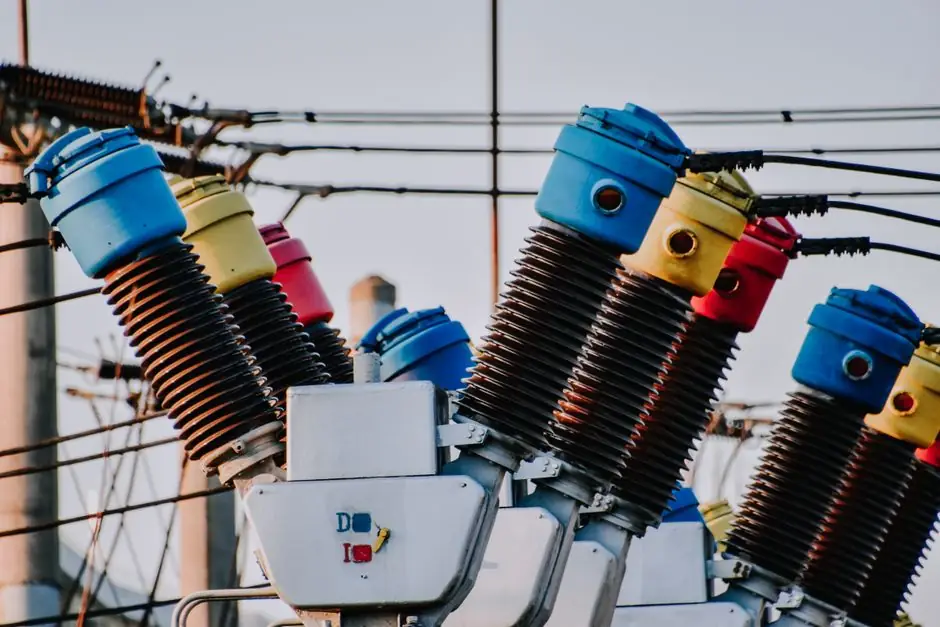
Type 2 surge protective devices can reduce transient-overvoltage damage, with one study reporting a 60% reduction in damage for equipment fitted with SPDs [S2].
They are installed in residential, commercial and industrial distribution systems to protect loads such as computers, appliances, control panels and industrial machinery from voltage spikes [S4].
What a Type 2 Surge Protective Device Does
Type 2 surge protective devices are designed for transient overvoltages caused by lightning-related events and power-grid fluctuations [S4]. IEC 61643-11 is identified as the applicable international standard for Type 2 SPDs [S4].
Protection depends on nonlinear components such as metal oxide varistors, or MOVs, and gas-discharge tubes. During a voltage spike, the MOV resistance falls and surge current is diverted away from connected equipment; after the transient ends, the device returns to its normal operating state [S4].
The device acts as a controlled barrier against transient overvoltage rather than as a substitute for lightning protection or equipotential bonding. It reduces the voltage and current reaching protected equipment by limiting surge current through the electrical system [S3].
Advantages for Electrical Installations
Type 2 SPDs limit surge current and help maintain the reliability and operation of connected equipment [S3]. Type 2 SPDs protect electrical systems from transient overvoltages caused by events such as lightning strikes or power grid fluctuations and are typically installed in residential or commercial electrical distribution panels to protect sensitive equipment such as computers, appliances, and industrial machinery [S4].
Installation is straightforward enough for Type 2 SPDs to fit most residential and commercial electrical systems, reducing setup time compared with more complex protection arrangements [S4]. Type 2 units are also described as cost-effective, which makes them practical for distributed protection at several points rather than a single protected outlet [S4].
One study covering equipment protected by SPDs recorded a 60% reduction in surge-related damage [S2]. That figure supports the value of coordinated installation, but it does not mean every downstream failure is eliminated or that one device can protect every circuit.
Disadvantages and Failure Modes
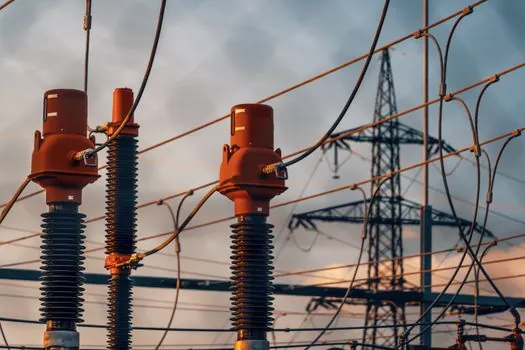
Type 2 SPDs cannot handle direct lightning strikes and may require periodic maintenance or replacement [S4]. Their protection depends on connected earthing and routing arrangements, so a protective device cannot compensate for defective grounding or an unsuitable installation.
Not every surge protector can handle higher voltages, and basic devices have lower voltage limits than higher-duty devices [S1]. A unit must therefore be selected for the installation voltage, available surge current and required protection level rather than chosen only by outlet form or nominal current.
Type 2 Compared with Other Protection Options
Type 2 SPDs provide economical distribution-panel protection against transient overvoltages, but their direct-lightning limitation makes them unsuitable as the sole measure against a direct strike [S4]. Air-discharge and line-to-ground sources described for Type 2 applications include lightning strikes and grid fluctuations, yet the protection boundary must be specified in the product data [S4].
The comparison below separates the principal decision criteria:
Where Type 2 Protection Fits
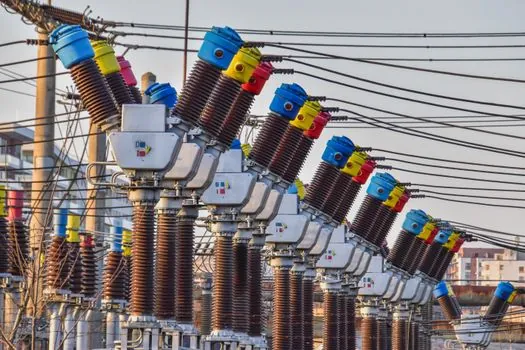
Type 2 SPDs are typically installed in residential or commercial electrical distribution panels to protect sensitive equipment such as computers, appliances, and industrial machinery [S4]. These applications place different loads behind the same protective concept, but their peak current, voltage and exposure requirements still need separate assessment.
They are not the preferred answer for an ungrounded system, a direct-lightning duty with no coordinated external lightning protection, or an application requiring only a low-cost strip at one outlet. They are also not a general substitute for correctly rated circuit breakers, since overcurrent protection and transient-voltage protection perform different functions.
For installations with sensitive lighting or auxiliary circuits, the protection plan must cover the relevant feed rather than stopping at the main incomer. The same separation of duties applies to motor controls, and the broader trade-offs are covered in Variable Frequency Drive Benefits, Drawbacks, and Selection.
Selection, Installation and Maintenance
Selection should begin with the installation system voltage, because basic protectors may not tolerate higher voltages [S1]. The specification should establish the required protection level and permitted installation method from the applicable device data and the IEC 61643-11 classification referenced for Type 2 SPDs [S4].
Protective conductors must be routed so surge current does not bypass the SPD or create an hazardous voltage on connected equipment. Device location, conductor length and the presence of upstream and downstream protection can affect performance; the same nominal unit placed at a different point in the distribution system does not provide an identical protection result.
Inspection should include the device condition indicator and evidence of thermal or operational damage. Severe events can require replacement even when connected equipment continues to operate [S5]. Type 2 devices may also need periodic maintenance or replacement [S4], so the maintenance plan and spare-parts strategy belong in the purchase specification.
Protection Boundaries in Practice
An SPD reduces the consequences of transient overvoltage within its rated limits, but it does not guarantee uninterrupted operation for every connected load. One study found a 60% reduction in damage for protected equipment [S2], while Type 2 devices remain unable to handle direct lightning strikes [S4].
For a traceable procurement decision, compare the device voltage rating, discharge-current class, protection-level data, grounding arrangement, installation point and replacement indicator. After commissioning, record the model and serial number, inspect the condition indicator after a significant surge, and schedule replacement checks around the manufacturer’s service guidance.