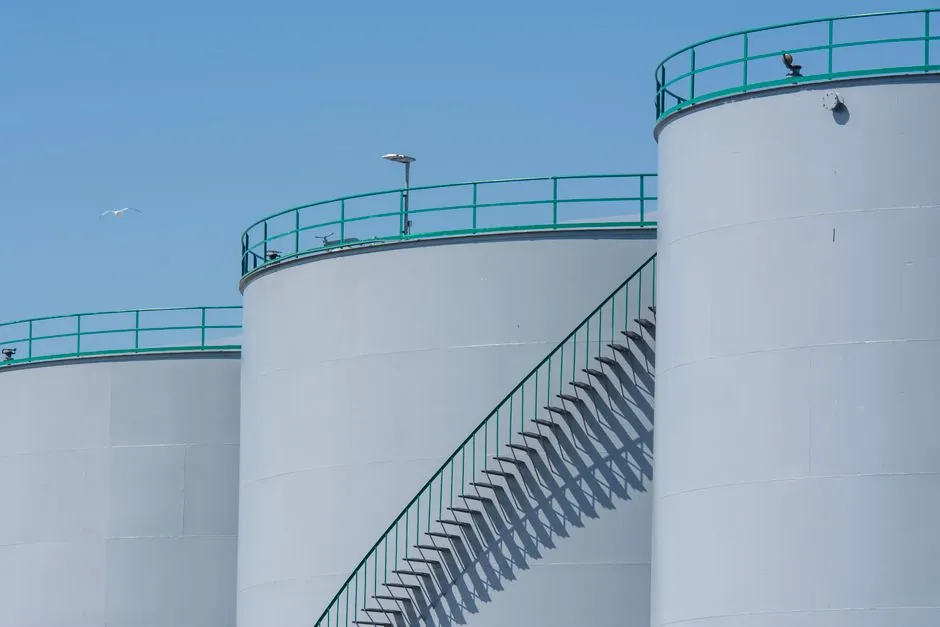
Lubricant selection across upstream, midstream and downstream oil and gas is asset-specific: API RP 5A3 lead-free thread compound goes on tubing, casing and drill-pipe rotary-shouldered connections; PAO ISO VG 46 is the workhorse for natural-gas, propane and process-gas reciprocating and rotary compressors; CLP gear oils at ISO VG 220/320/460 cover FCC main air-blower drives and reformer gear cases under DIN 51517-3 [S3].
Refinery and petrochemical plants also specify valve-stem grease with a dropping point above 280°C for H2S sour service, water-soluble ester mud lubricants holding friction coefficient below 0.10 for directional wells, and silicone-free polymer antifoams effective at 350°C+ column-bottom temperatures at a 10 to 50 ppm treat rate [S3].
Defining the Industrial Lubricant Basket for Oil and Gas
Oil, gas and petrochemical operations are governed by API, ASME, OSHA PSM, ATEX, NEC Class I Division 1/2 and FM requirements, plus OEM specifications, all of which shape lubricant chemistry, flash point and hazard-area approval [S5]. The basket typically covers more than eleven SKU families: thread compounds, compressor oils, gear oils, grease, hydraulic fluids, turbine oils, diesel engine oils, antifoams, corrosion-protective films, mud lubricants and barrier fluids [S3].
A useful industrial lubricant reference page defines base-oil families, additive chemistry and the difference between mineral, synthetic and biodegradable stocks, all of which feed into the application map used in this article. Drilling-fluid lubricants are a sub-category: specialised additives blended into water-based, oil-based or synthetic-based muds to cut torque, drag, bit wear and downhole-tool wear [S4].
Drilling-Fluid Lubricants: Solid, Liquid and Hybrid Types
A second taxonomy, dated 2026-08-19, distinguishes oil-based, water-based and solid biodegradable lubricants, with average friction reduction of 85 to 95%, 60 to 75% and 70 to 82% respectively, max working temperatures of 200°C+, 120 to 180°C and 160 to 210°C, and offshore environmental compliance rated Low, High and Very High [S2]. 2026 IADC data cited by the same source attributes up to 15% annual drilling-cost reduction to proper lubrication, and one supplier reports 78% of 2026 orders going to eco-friendly water-based or solid products [S2].
Compressor, Gear and Turbine Lubricants: Application Matrix

Process gas and air compressors at GAIL pipeline stations, ONGC well-heads and refinery gas plants run on PAO 6 base, ash-less anti-wear, low-varnish compressor oil rated for 180°C continuous discharge, compatible with Ariel, Burckhardt, Howden and Atlas Copco machines [S3]. Refinery gears under DIN 51517-3 CLP use Group II Plus base with sulphur-phosphorus EP, FZG above stage 12 and micro-pitting resistance, at ISO VG 220/320/460 [S3].
Gas-engine, turbine and hydraulic service is covered by synthetic families such as Mobil SHC Pegasus, Mobil SHC 600, Mobil DTE 800 and Mobil EAL, with Mobil SHC grades reported to last up to six times longer than mineral oils thanks to high-temperature oxidation stability [S1]. Comparable synthetic industrial lubricant lines targeting the same envelope use proprietary additive technology (Synerlec-class) to maintain film strength under high loads, resist hydrocarbon dilution and moisture, and control varnish in continuous-duty service [S5].
Thread Compounds, Greases and Drilling-Mud Lubricants
API RP 5A3 lead-free thread compound with graphite, zinc, copper and bismuth solids in a complex grease carrier is rated for 200°C downhole, seals pressure on make-up and break-out, and is compatible with VAM premium connections and API rotary shoulder threads [S3]. Refinery valve-stem grease uses a synthetic base with PTFE filler, dropping point above 280°C, and corrosion protection against H2S and chloride attack for sour-service isolation, gate, plug and ball valves [S3].
Water-soluble ester mud lubricant cuts torque and drag in directional and horizontal wells run by ONGC and Oil India, holding friction coefficient below 0.10 in bentonite and polymer mud systems, with a biodegradable variant available [S3]. Silicone-free polymer antifoam is dosed at 10 to 50 ppm to control hot-section foaming in atmospheric and vacuum distillation, the FCC main fractionator, and downstream catalytic processes where silicone would poison catalyst [S3].
Dosage, Performance Limits and Selection Criteria
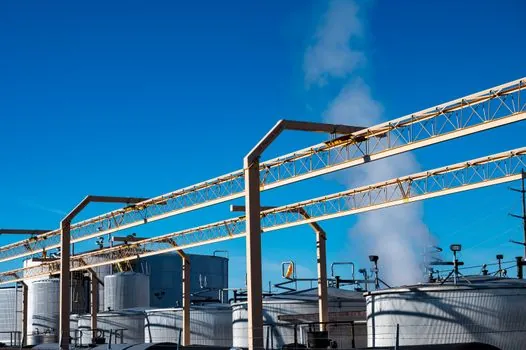
Drilling-fluid lubricant dosage is sized to well profile: shallow onshore wells need 0.5% to 1% by volume of total mud, while deep wells over 3000 m and extended-reach horizontals need 2% to 3% [S2]. The 2026 IADC-cited figure that friction issues drive over 12% of non-productive time in global drilling is the strongest case for not under-dosing [S4]. Refinery pump and pipeline assets in their third and fourth decades see per-well lubricant consumption rise 8 to 12% annually as bypass leakage, component wear and seal degradation shorten drain intervals [S9].
A side-by-side selection rule used by the same field-tested guide: confirm wellbore conditions first (depth, trajectory, formation, max temperature and pressure, base-fluid type), screen out non-compliant chemistries against local environmental rules, run lab friction-coefficient testing, then pilot on the actual rig before full rollout [S2]. Compressor and gear selection follows a parallel four-factor logic: base-oil family and viscosity grade, additive package (anti-wear, EP, antioxidant, demulsibility), metallurgy and OEM approval list, then hazardous-area certification [S5].
Standards, Compliance and Failure Modes
The compliance map binding lubricant choice in oil and gas spans API (RP 5A3 for thread compounds, plus engine and compressor standards), DIN 51517-3 for CLP gear oils, ATEX, NEC Class I Division 1/2, FM approvals, and OSHA PSM, with NSF H1 registration required only where incidental food contact can occur, served by barrier fluids and food-grade synthetics [S3][S5]. Biodegradable lubricant adoption is being driven by offshore discharge rules: 2026 data from a Global Oil and Gas Environmental Association dataset cited by a 2026-08-21 field guide puts the offshore biodegradable-lubricant share at 68% with no negative drilling-performance impact [S4].
Common failure modes worth flagging at the specification desk: varnish and carbon build-up in hot gas compressors when base oil lacks thermal-oxidative stability, valve deposits when demulsibility is poor, micro-pitting on refinery gears below FZG stage 12, hydrogen sulphide and chloride attack on valve stems without PTFE/synthetic grease, and catalyst poisoning in downstream units when silicone antifoam is wrongly substituted for silicone-free polymer [S3][S5]. A useful cross-reference for adjacent spec work, including adhesive selection for energy equipment and the mold and die lubricant spec map, shows the same four-factor selection logic applied to other process fluids. Related reading on rotating-equipment pairing is in the magnetic drive pump selection map.
Trackable signals for the next planning cycle: published revisions of API RP 5A3 and DIN 51517-3, further 2026 IADC friction/NPT benchmarking, and any tightening of offshore biodegradable-lubricant thresholds by regional regulators. For broader fluid and seal context outside the lubricant basket, the oil seal and industrial gas encyclopedia pages cover adjacent selection rules.