
For prefabricated building panels in 2026, the realistic shortlist is four materials: EPS, XPS, polyisocyanurate (polyiso), and straw-core SIPs, each mapped to a different R-value, moisture, fire, and tolerance band [S1][S2][S3][S4].
Rigid foam boards (XPS, EPS, polyiso) consistently anchor the continuous-insulation layer in prefab wall and roof panels, while straw-core SIPs are now specified for low-embodied-carbon residential and ADU builds where R-2.5/inch is acceptable [S3][S4]. DPR's 1,152-panel Atrium Health bed tower enclosure is a working data point: 280,000 sq. ft. of prefab exterior skin installed to within 1/4-inch tolerance, 35-50% faster than field-built assemblies [S2].
Material shortlist and what each one actually does in a prefab panel
EPS, XPS, and polyiso all qualify as rigid continuous insulation (ci) for prefabricated wall panels, but they behave differently once the panel is closed up in a factory. EPS is steam-expanded bead stock, with densities typically running 1.0-2.0 pcf for wall applications; it is the cheapest board per R-value point but its inter-bead cell structure allows more long-term moisture migration than the other two [S1][S3]. XPS is continuously extruded into a uniform closed-cell board with smoother skins and noticeably better moisture resistance, and it is the default ci layer in several StoPanel prefab systems [S5]. Polyiso (often called polyisocyanurate or PIR) is a thermoset foam faced with foil or glass-mat facers, with the highest R-value per inch of the three at room temperature, though that advantage narrows in cold climates [S3].
Straw SIPs sit outside the foam category. They are plywood-faced double-stud panels with a compressed agricultural-straw core, factory-cut to opening and dimension, then craned into place. A typical 14-inch straw SIP hits about R-36 whole-wall with roughly R-2.5 per inch in the core, and the off-site build removes a lot of the moisture-exposure risk that plagues site-built straw [S4]. For a broader look at how insulation boards spec into industrial buildings, the industrial insulation board spec map walks through the same four criteria (R-value, moisture, fire, lead time) on plant envelopes.
Selection criteria: R-value, moisture, fire, and tolerance
Specifying insulation for prefab is a four-criteria problem before brand or vendor ever enters the picture. R-value per inch drives wall thickness, which drives panel shipping dimensions; moisture resistance drives whether the board survives the time between factory fabrication and final closure on site; fire rating drives whether the assembly needs a thermal/ignition barrier; and dimensional tolerance drives how tight the panel-to-panel joint can run in the field [S1][S2][S3].
On tolerance, DPR documents prefab exterior panels fitting to within 1/4 inch when modelled and coordinated up front, a figure that constrains the entire insulation layer's flatness because the ci is bonded to the framing in the factory [S2]. On R-value, polyiso leads the foam pack at roughly R-6 to R-6.5 per inch, XPS sits near R-5 per inch, and EPS runs R-3.6 to R-4.2 per inch depending on density, with straw SIPs lower still at R-2.5/inch but with a much better whole-wall number once thermal bridging is reduced [S1][S3][S4]. For projects where infection control or healthcare fire codes apply, the hospital insulation board spec map lines up the same four materials against NFPA 265 and ASTM E84 class-A targets.
Options compared against four decision criteria

Side-by-side at a typical 2-inch nominal board thickness for above-grade prefab wall ci: EPS delivers roughly R-7 to R-8 at the lowest cost and is workable but the weakest on long-term moisture absorption; XPS delivers about R-10 with the best moisture resistance of the three foams and is the default in StoPanel XPS ci and Classic NExT ci assemblies; polyiso delivers R-12 to R-13 at room temperature but loses some of that edge in cold weather; straw SIPs deliver an R-36 whole-wall at 14-inch thickness with the lowest embodied carbon of the four and a controlled-factory fire performance when paired with code-compliant facings [S1][S3][S4][S5].
Cost per R-value point runs lowest for EPS, mid for XPS, and highest for polyiso in most 2026 distributor pricing; straw SIPs sit outside that per-board comparison because they bundle structure, sheathing, and insulation into a single delivered panel. For cold-chain and refrigeration projects, the cold storage insulation board spec map is the parallel read, since cold-storage prefab panels usually want XPS or closed-cell PUR over polyiso or EPS.
What prefab changes about the install
Moving insulation into a factory panel changes the failure modes. On a site-built wall, a wet XPS board can dry out; inside a closed prefab panel, any moisture trapped at lamination is permanent, which is why EPS in prefab wall panels is typically paired with a separate vapor-controlled sheath while XPS and polyiso are the safer defaults for prefab ci [S1][S3]. DPR reports that its prefab exterior panels, when coordinated through BIM, hit 1/4-inch field tolerance and have run 35-50% faster than equivalent field-built envelopes on healthcare and data-center work [S2].
Continuous-insulation prefab systems such as StoPanel Classic NExT ci and StoPanel XPS ci factory-bond a StoGuard waterproof air barrier, a drainage wedge, and the rigid foam ci to cold-formed steel framing, so the insulation, weather barrier, and structure arrive as one crane-lift assembly rather than three sequential site trades [S5]. The trade-off is that any factory lamination defect is now a warranty defect across a whole panel, not a single batt of insulation, so QA on incoming foam boards and lamination lines is non-optional. A useful primer on the underlying board types sits in the insulation board encyclopedia entry, and the EPS board reference covers the bead-density grading that drives EPS compressive strength.
Who this is for, and who it is not for
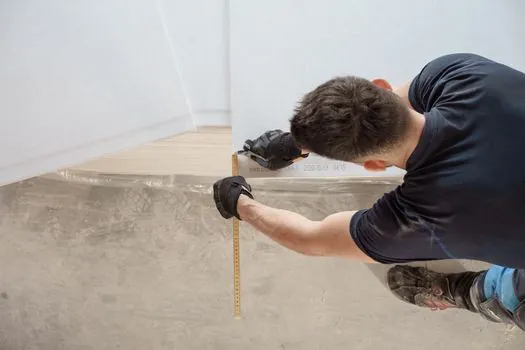
The prefab ci shortlist above is for steel- or wood-framed panelized wall and roof systems going through a factory lamination line, not for site-applied continuous insulation over a finished sheathed wall, and not for sprayed or foamed-in-place applications. EPS, XPS, and polyiso also do not apply where the project spec calls for a structural insulated panel (SIP) carrying roof or wall loads; there, traditional foam-core SIPs (EPS or GPS core) and straw SIPs are the relevant competing systems [S3][S4].
Straw SIPs are not a fit for below-grade or continuous-foundation insulation, where moisture loads rule out cellulosic cores; that role is owned by XPS and high-density EPS [S1][S4]. Polyiso is not a fit where in-service temperatures stay below about 50 deg F for long periods, since its R-value drops as the foam gets cold [S3].
Limits, failure modes, and what to verify on the data sheet
The three failure modes that hit prefab insulation panels hardest are inter-panel moisture migration, thermal bridging through the panel splines, and facer delamination. EPS's inter-bead cell structure is the most moisture-permeable of the three foams and the most likely to trap construction moisture inside a closed panel; XPS is more forgiving here, and polyiso's foil or glass facers act as a built-in vapor retarder when the facer stays bonded [S1][S3]. Spline thermal bridging is a separate issue: prefab panel-to-panel joints and perimeter framing are the weak R-value points unless the joint is detailed with a continuous thermal break, which is one reason straw SIPs' whole-wall R-value often out-performs its per-inch core R-value in the field [S4].
On the data sheet, verify the board's ASTM C578 type (XPS is Type IV-VI, EPS is Type I-II for typical wall densities), ASTM E84 flame-spread class, and the manufacturer's published long-term thermal resistance (LTTR) for polyiso; ask for the factory lamination tensile bond strength on ci panels and confirm the air/water barrier system is supplied as a single warranted assembly rather than mixed components [S3][S5]. The polyurethane insulation reference covers the LTTR aging curve that polyiso specifiers should pin to the data sheet, and the masonry insulation reference is a useful read for projects that pair prefab panels with masonry veneers.
Standards, sourcing, and what to pin in the spec
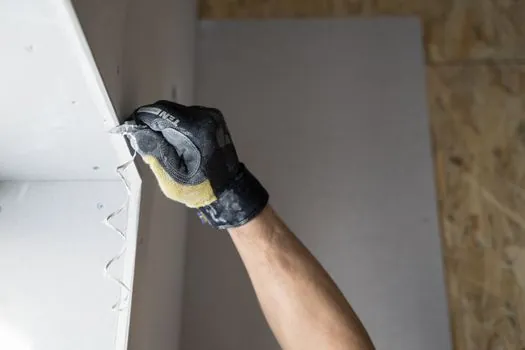
For 2026 prefab projects, the standards cluster that actually governs the insulation layer is ASTM C578 (rigid polystyrene cellular insulation), ASTM E84 (surface burning characteristics), ASTM C1363 (thermal performance of wall assemblies), and the assembly-level fire tests such as NFPA 285 for many foam ci wall assemblies, with the air/water barrier component often tested to ASTM E331 and AAMA 509 [S3][S5]. The energy code layer is ASHRAE 90.1 in the commercial sector and the IECC in residential, both of which set continuous-insulation R-value targets that prefab panels can hit more cleanly than site-built ci because the ci is bonded in a controlled environment [S2][S3].
For straw SIPs specifically, structural qualification typically references IRC Section R610 or engineering analysis under the IRC/IBC alternative materials path, and the manufacturer will publish whole-wall R-values that already account for the double-stud framing [S4]. On the sourcing side, US prefab ci panels in 2026 are dominated by North American EPS and XPS converters, with polyiso supplied by a smaller set of chemical producers, so lead time is usually driven by the ci foam itself rather than the framing. For projects adjacent to this scope, the data center insulation board spec map covers the same four materials tuned to hot-aisle and continuous-load envelope duty, and the construction tools encyclopedia entry covers the cutting and fastening tools that prefab ci shops standardize on.
Trackable signals worth watching into late 2026: published LTTR curves for the next polyiso facing revisions, any update to ASTM C578 density grading, and NFPA 285 re-listing activity for combined ci + StoPanel-type assemblies.