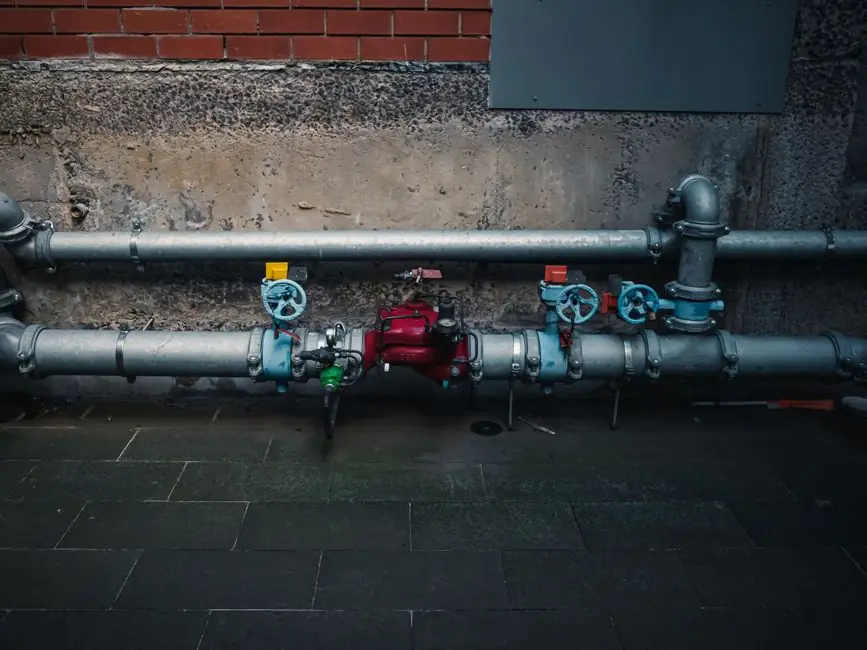
Knife gate valves provide on-off isolation for irrigation water containing sediment, algae, suspended solids, or fibrous debris, with blade designs that shear through material rather than riding onto a packed seat [S1][S2].
Selection depends on line pressure, flow direction, solids behavior, seat material, corrosion exposure, actuator method, and installation orientation; the pressure rating must be checked independently from flange drilling [S2][S3][S5].
Define the irrigation duty before selecting the valve
A knife gate valve is a full-bore isolation device with a thin, beveled blade that moves perpendicular to the flow and closes by shearing through the fluid path [S3]. For irrigation, it is most relevant where controlled water contains sediment, algae, scale fragments, organic matter, or other material that could obstruct a conventional gate valve [S1][S6].
It is intended for on-off service, not throttling. A partially open knife gate exposes its blade edge and seat to high-velocity flow, which can cause vibration, erosion, and premature seal failure [S3]. If the irrigation system requires regulating pressure or flow, use a dedicated control valve upstream or downstream and retain the knife gate for isolation [S3].
Typical irrigation applications include pump discharge isolation, mainline repair sections, filter and screen headers, canal or ditch control structures, and temporary diversion points. The knife gate valve is a strong choice for dirty-water isolation, while a wedge gate is generally more appropriate for clean, high-pressure service where the stronger pressure boundary outweighs the need to cut through solids [S3][S8].
Compare the main valve configurations
Conventional knife gate valves are simple, bonnetless, cost-effective designs rated to 150 CWP, making them a baseline option for lower-demand applications [S2]. Unidirectional designs can use metal seats for higher temperature or resilient seats for tighter shutoff; system pressure assists sealing when the flow direction is correctly installed [S2].
Bidirectional designs seal against flow in either direction and suit dead-end service, backflow conditions, or installations where orientation may change [S2]. A comparison is straightforward: conventional valves favor simplicity, unidirectional valves add directional sealing, bidirectional valves handle reverse flow, and push-through designs remove the packing chamber so accumulated media can discharge directly to atmosphere [S2].
Specialty O-port designs can displace solids or divert flow in hopper systems, while lined constructions are available for corrosion protection [S2]. These options should be selected only after defining the irrigation water chemistry and the installation geometry.
Set the pressure and seat limits correctly
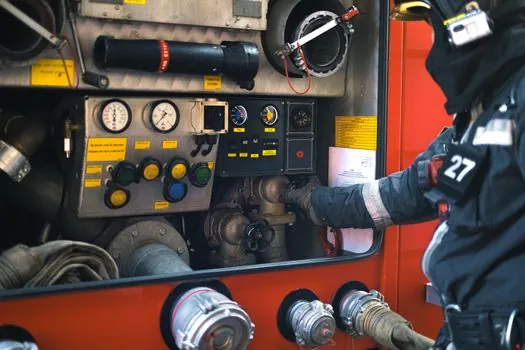
Flange drilling identifies the bolt pattern, while the valve pressure-temperature rating and seat design establish operating capability [S3]. A conventional knife gate is rated to 150 CWP [S2].
Those values require confirmation against the specific manufacturer model, fluid temperature, seat configuration, and governing pressure-temperature table before purchase.
Metal seats generally support higher-temperature service, whereas resilient seats provide tighter shutoff but introduce elastomer temperature and compatibility limits [S2].
Match construction to water chemistry and solids
For clean or lightly contaminated irrigation water, a conventional valve with a metal seat may be sufficient. For sediment, algae, sand, or suspended solids, the seat, blade edge, body, stem, and packing arrangement become the wear system. Unidirectional valves can use a deflection cone to direct abrasive media away from the seat, while high-performance designs use replaceable wear rings to protect the seat [S2].
Material selection starts with the medium, not the generic valve family. Confirm the wetted body and trim materials, seat type, seal elastomer, stem exposure, and coating or lining requirements against the irrigation water [S5]. Push-through construction removes the packing chamber and allows debris captured above the gate to discharge, which can reduce obstruction in abrasive slurry service [S2].
Reverse-flow conditions require bidirectional sealing. A unidirectional valve can lose effective shutoff if installed against its intended flow direction because pressure is needed to push the gate against the seat [S2]. Irrigation networks with check valves, pumps, or seasonal reversals should be reviewed as a complete hydraulic system rather than valve by valve.
Size the line, installation, and actuator

Nominal size must match the connecting pipe and required hydraulic capacity; valve size is one of the five core selection criteria alongside pressure, materials, sealing design, and actuation [S5]. Confirm the face-to-face length, flange standard, bolt pattern, flow arrow, stem orientation, and available installation clearance. Bonnetless knife gates are shorter than conventional gate valves, but the rising stem and actuator still require overhead or lateral operating space [S3].
Manual operation is appropriate where infrequent isolation is acceptable. Electric, pneumatic, or hydraulic actuation should be evaluated for remote operation, frequent cycling, fail-safe behavior, torque requirements, and local access [S5]. An actuator selected only from pipe diameter can be undersized for high line pressure, seat friction, or the required closing force, particularly with abrasive deposits.
Unidirectional valves must be installed so flow assists gate seating [S2]. Bidirectional valves remove that installation dependency, but they do not remove the need to prevent the gate from opening against reverse pressure. The broader gate valve family offers a useful contrast: wedge gates provide a stronger pressure envelope, whereas knife gates provide a slim body and better behavior in solids-bearing service [S8].
Apply installation and operating controls
Do not use the knife gate as a control element. It should travel from fully open to fully closed, with a means to prevent operation against a differential pressure that the seat and trim are not designed to withstand [S3]. Position feedback is useful where operators need to confirm valve status without entering the pump house or field structure.
Slurry and irrigation piping should be flushed before operating the blade through its travel, because settled solids can damage the edge or interfere with seating [S6]. Maintenance access should cover the stem threads, packing gland, actuator, and removable seat or wear components. The packing gland is a principal wear point in bonnetless knife gate designs [S3].
For isolation at a pump discharge, specify the pressure rating for the actual pump shutoff condition rather than only the static header pressure. For canal or gravity systems, include the maximum anticipated head, any surcharge from downstream flooding, and the direction of flow during drain-down. Push-through or purge arrangements may be useful where captured solids must leave the body without being driven through the seat.
Know when a knife gate is the wrong valve
Do not select the mainstream knife gate for clean, hot, high-pressure water where tight shutoff and a robust wedge gate provide a better fit, or for flow modulation that requires a characterized seat and controlled opening [S3][S8]. Also avoid a standard unidirectional design where reverse flow is credible, because sealing depends on the intended flow direction and gate jamming behavior [S2].
The valve is also a poor match for applications requiring frequent throttling, fine metering, or bubble-free control. Those duties belong to a control valve or another modulating device. If solids are highly abrasive, a basic conventional body and seat may wear rapidly; use replaceable wear rings, a deflection cone, hardened trim, or a lining matched to the measured solids condition [S2][S7].
Before releasing the purchase specification, verify five items: actual line and differential pressure, maximum fluid temperature, bidirectional or unidirectional flow, solids concentration and abrasiveness, and the required end connection and actuator interface. This is the shortlist logic: use a knife gate when solids are the dominant design driver, a bidirectional design when flow can reverse, and a wedge gate when clean-water pressure containment is the dominant requirement.
For comparable slurry-service criteria, the related selection guide on knife gate valves for mining slurry duty provides a useful cross-check on seat wear, flow direction, and material selection.