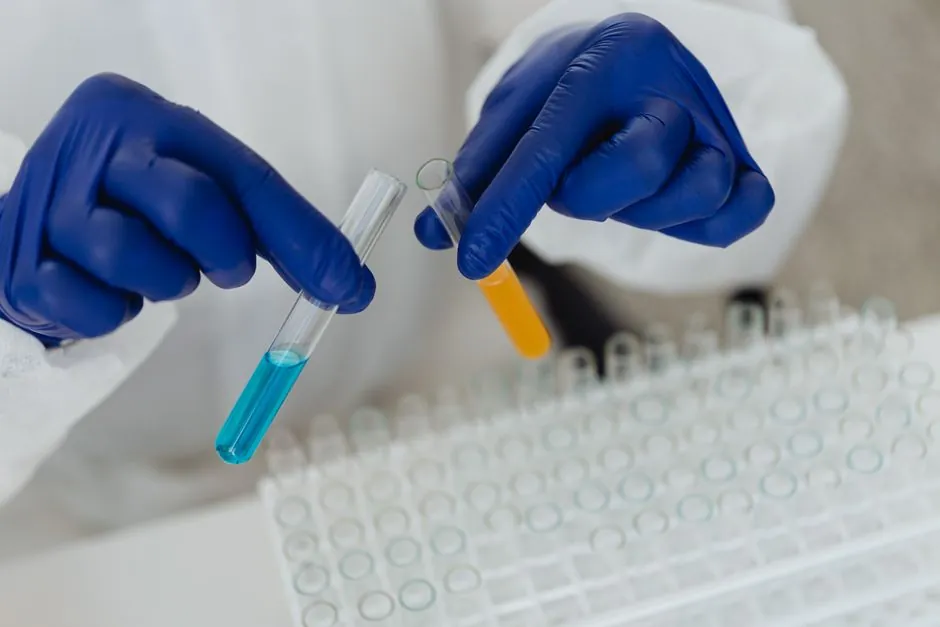
Laboratory glove specification is decided by chemical state, concentration, and duration of contact, not by habit [S1]. Natural rubber handles low-concentration inorganic acids but fails against concentrated nitric and concentrated sulfuric acid, while rubber also blocks pathogen and radioactive-dust transfer [S1].
The practical starting point for any lab is two pairs on the bench: powder-free nitrile examination gloves for routine handling, and cotton thermal gloves for autoclaves and ovens [S2]. Matching the right material to the right hazard is the only path that satisfies both EN 374-1/5 chemical permeation testing and EN 420 ergonomic requirements [S2].
Material Selection by Hazard Class
Carboxylated acrylonitrile (nitrile) is a 100% synthetic, latex-free polymer, and that combination matters: latex-free consumables standardize workflows and remove Type I latex-allergy risk from the lab [S2]. Nitrile delivers a balanced profile of chemical resistance, fit, and tactile control, which is why the same disposable exam-glove format repeats across routine sample handling, solution prep, and analytical/QC tasks [S2][S3].
For life-science labs the 2026 selection framework maps hazard to glove, not glove to shelf: Ansell segments the catalog by chemical, contamination, cut, thermal, radiation, and biological hazards, then assigns a specific glove platform (TouchNTuff, MICROFLEX, BioClean, AlphaTec, Hyflex) to each [S3]. Natural latex still has a place where high tensile and elasticity are required, but only after a documented latex-allergy review, since proteins remain the trigger for contact dermatitis in sensitized users [S1].
The classic mis-spec is using disposable nitrile for thermal work. Nitrile decomposes well below autoclave temperatures, so a cotton thermal glove is the correct pairing for hot glassware, oven trays, and autoclave unloading [S2]. The same separation logic applies to chemical work: a thin exam-grade nitrile is not a substitute for a thicker chemical-handling glove when organic solvents or concentrated acids are involved, and EN 374-1/5 permeation data, not glove color, is the gate [S2][S3].
EN 374, AQL, and CE Category III: The Compliance Gate
CE Category III applies to PPE for risks that may cause very serious consequences, such as irreversible injury or death, and disposable lab nitrile gloves sit in that class [S2]. The supporting test stack is EN 420 (general glove requirements and ergonomics) plus EN 374-1/5 for chemical permeation and microbial penetration [S2].
Acceptable Quality Limit (AQL) is the statistical pin on batch quality: a typical lab nitrile exam glove is specified at AQL ≤ 1.5, meaning the pinhole defect rate is bounded against a 1.5% sampling threshold [S2]. That number is what separates a true Category III exam glove from a commodity food-service nitrile, which often ships at higher AQL and lacks EN 374-1/5 certification.
EU Regulation 2016/425 is the legal anchor for placing PPE on the European market, and CE marking plus the Category III/Class I designation on the box is the field-level proof that the glove cleared both the chemical and mechanical test sets [S2]. For procurement, the test is simple: if the certificate does not show EN 374-1/5 and AQL ≤ 1.5, the glove is not a lab examination glove.
Mechanical, Thermal, and Biological Performance
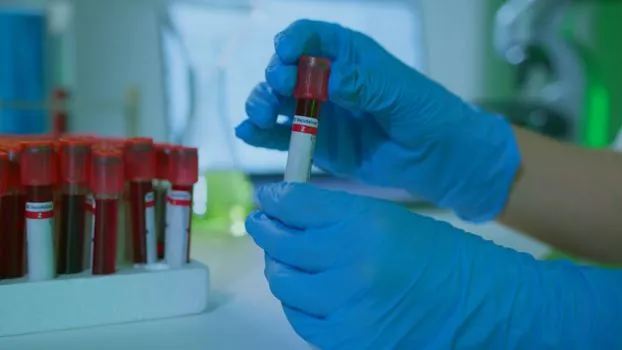
Thickness and cuff design drive the mechanical envelope. Microtextured fingertips, a rolled cuff, and an ambidextrous fit are standard on a lab-grade nitrile because they reduce tear initiation at the edge and improve grip on wet glassware [S2]. A 5-year shelf life is typical for powder-free nitrile, which supports stock rotation and avoids mid-trial batch expiry in busy labs [S2].
For thermal loads, cotton is the workhorse for handling items exiting autoclaves or ovens; thermal protection is a property of the material, and nitrile does not provide it in the same envelope [S2]. Where cryogenic or high-heat extremes are routine, the same material-to-hazard logic pushes the spec toward dedicated thermal or cryogenic platforms rather than thicker nitrile [S3].
On the biological side, rubber and nitrile both form a continuous barrier against pathogens and radioactive dust when intact, but only if the glove is changed at contamination events and never reused [S1][S2]. Latex-free nitrile removes the Type I allergy variable, which is one reason life-science QA tends to standardize on nitrile rather than natural rubber across routine workflows [S2][S3].
Selection Criteria: A Side-by-Side Comparison
Three materials cover most lab tasks, and the difference is concrete, not stylistic. Natural rubber offers high tensile strength and elasticity for low-concentration inorganic acids but fails concentrated nitric and sulfuric, plus carries Type I allergy risk [S1]. Nitrile (carboxylated acrylonitrile) is synthetic, latex-free, EN 374-1/5 tested at AQL ≤ 1.5, and the daily default for routine handling, solution prep, and analytical work [S2]. Cotton thermal gloves handle hot glassware and autoclave unloading, where nitrile cannot be used because the polymer degrades at elevated temperature [S2].
Decision rule: chemical state and concentration drive the first cut (gas, low-concentration liquid, or concentrated liquid) [S1]; then EN 374-1/5 permeation data resolves the chemical pair [S2]; then thermal load routes the spec to cotton or a dedicated thermal platform; then mechanical and contamination needs route to thickness, texture, and powder-free status [S2][S3].
Common Selection Mistakes and How to Avoid Them
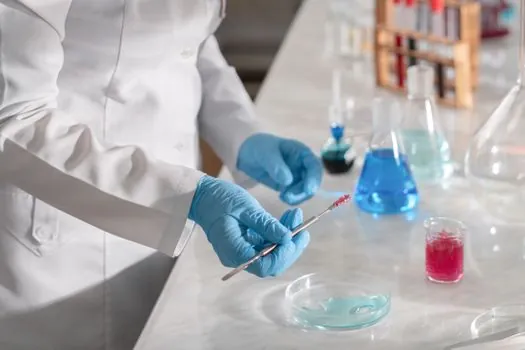
Specifying by color or shelf price is the most common failure mode. Color is a visibility choice, not a chemical-resistance choice, and a cheaper food-service nitrile that lacks EN 374-1/5 certification will not survive a concentrated-acid splash even if the box looks identical [S2][S3].
Reusing disposable gloves is the second. Once contaminated, the barrier is no longer characterized, and EN 374-1/5 performance data no longer applies to that physical unit [S2]. Replace when wet, contaminated, or at the end of a procedure; do not wipe and re-don [S2].
Skipping the latex-allergy screening on natural-rubber gloves is the third. Sensitized users can react on first donning, and the resulting dermatitis is a reportable incident in regulated labs [S1][S3]. Standardizing on latex-free nitrile across routine workflows removes the variable and aligns with broader contamination-control practice [S2].
Where Laboratory Gloves Fit (and Where They Don't)
Lab-grade disposable nitrile is the right pick for routine sample handling, reagent prep, QC, and clean-handling workflows where latex-free consumables are required [S2][S3]. It is the wrong pick for concentrated oxidizing acids (concentrated nitric or sulfuric), for high-heat autoclave work, for cryogenic handling, and for tasks needing cut or impact resistance; those route to thicker chemical gloves, cotton thermal gloves, cryogenic platforms, and cut-resistant platforms respectively [S1][S2][S3].
For shared PPE strategy across an industrial site, the same selection logic flows into broader safety gloves programs, which sit inside the wider safety barrier and machine safety frameworks used to control the rest of the lab. Eye protection is a parallel control point that often pairs with glove changes at chemical stations, and the rationale is documented in safety glasses guidance for splash and vapor exposure.
Trackable next signals: monitor EN 374-1 amendment revisions and AQL tightening trends through 2026 EU notified-body guidance, and watch for expansion of the sustainable/disposable segment that Ansell has already broken out as a distinct product line, indicating where lab procurement criteria are heading next [S3].
This topic is covered further in Data Center Steel Pipe Selection: Spec Gates for 2026 Builds.