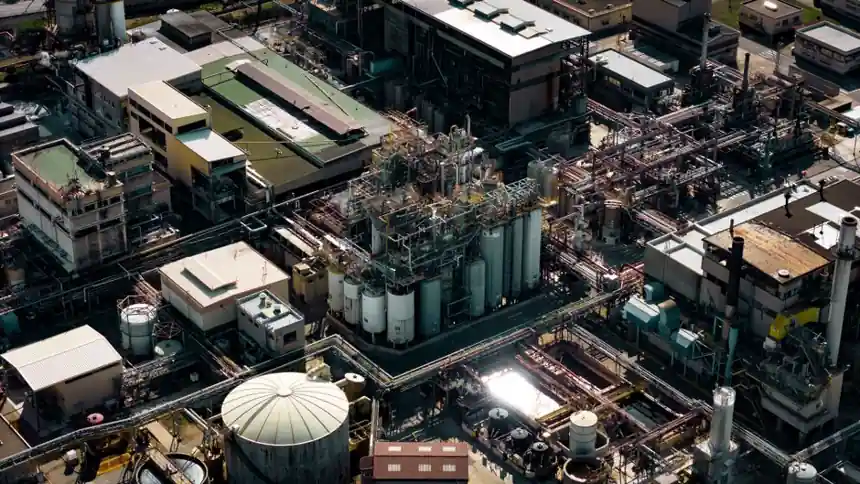
The global long-duration energy storage market is estimated at $1,094.3 million in 2026, with a forecast to reach $2,720.0 million by 2033 at a 13.9% compound annual growth rate [S1].
The pipeline spans pumped hydro, compressed air, liquid air, gravity, thermal, flow batteries, metal-air batteries, hydrogen and Power-to-X, but lithium-ion remains the main commercial benchmark for 8+ hour projects [S3][S4].
Market Definition and Scale
Long-duration energy storage is typically defined as systems capable of storing electricity for more than eight hours.
North America generated 35.5% of 2025 revenue, mechanical storage held 45.9% of the technology share, the 8-to-24-hour segment represented 70.3%, and renewable-energy applications accounted for 40.3% [S1].
Those figures describe a market with meaningful revenue but uneven maturity. Mechanical storage held the largest LDES market share at 45.9% in 2025.
Technology Options Against Procurement Criteria
Pumped hydro offers long operating history and bulk shifting, while compressed-air and liquid-air systems require suitable geology, air handling and power-conversion integration rather than ordinary battery containers [S4][S5].
The selection criterion is not duration alone. Projects must also satisfy energy-market revenue, construction schedule, permitting, interconnection, safety case, operating footprint and financing requirements, while LDES vendors face bankability tests based on demonstration evidence and revenue guarantees [S3][S5].
Where LDES Creates Technical and Commercial Value
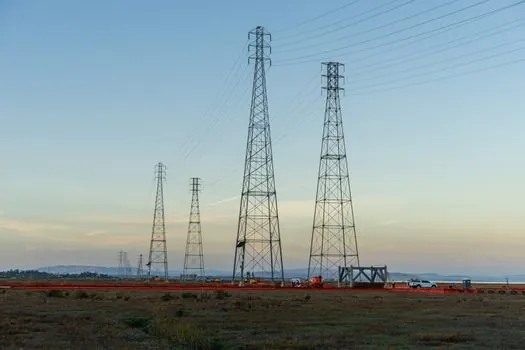
LDES is designed to discharge energy over extended periods, typically beyond the four-hour window associated with conventional lithium-ion battery systems, and may address multi-day gaps in renewable supply.
Reliability-sensitive industrial loads and data centers have different operating profiles from wholesale arbitrage. A system selected for an uninterruptible process must address response time, fuel autonomy, thermal management, maintenance access and energy-security requirements, not merely advertise a nameplate duration.
Cost and Efficiency Block Rapid Scaling
Eight-hour systems cost too much relative to four-hour storage and provide only limited additional value.
Cost and readiness currently point to short-duration lithium-ion batteries most of the time, and to long-duration lithium-ion batteries when a government mandates LDES.
Policy support therefore remains material. UK, US and Australian procurement programs, including revenue guarantees, can determine which non-lithium vendors survive, while the market design must recognize the reliability and capacity value created by discharge periods beyond four hours [S3].
Pipeline Maturity and Deployment Scope
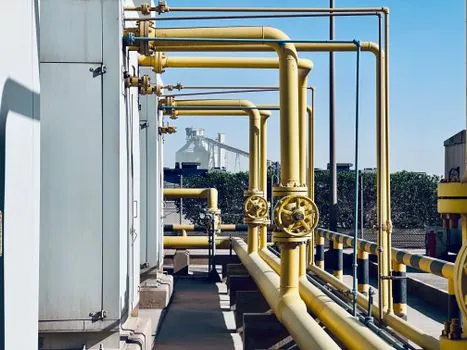
Emerging vendors without a demonstration, near-term tender position and secured financing face a narrow route to volume deployment [S3][S5].
Decision Criteria for Buyers and Developers
Buyers should compare each proposal on energy capacity in MWh, power rating in MW, discharge duration in hours, round-trip efficiency, cycle life, response time, usable operating-temperature range, footprint, warranted component life and interconnection requirements [S4][S5].
For stationary chemistry choices, Sodium-Ion Versus LFP for Stationary Storage in 2026 provides a useful battery-level comparison before evaluating iron-air, flow or other LDES systems.
Trackable Signals Through 2027
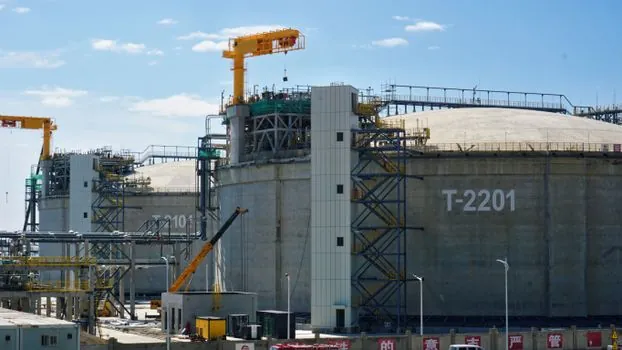
Trackable procurement and deployment milestones will provide clearer evidence than broad market forecasts. The most useful evidence for 2027 planning will come from awarded tenders, financial close at utility scale, contracted duration, disclosed round-trip efficiency and measured availability.