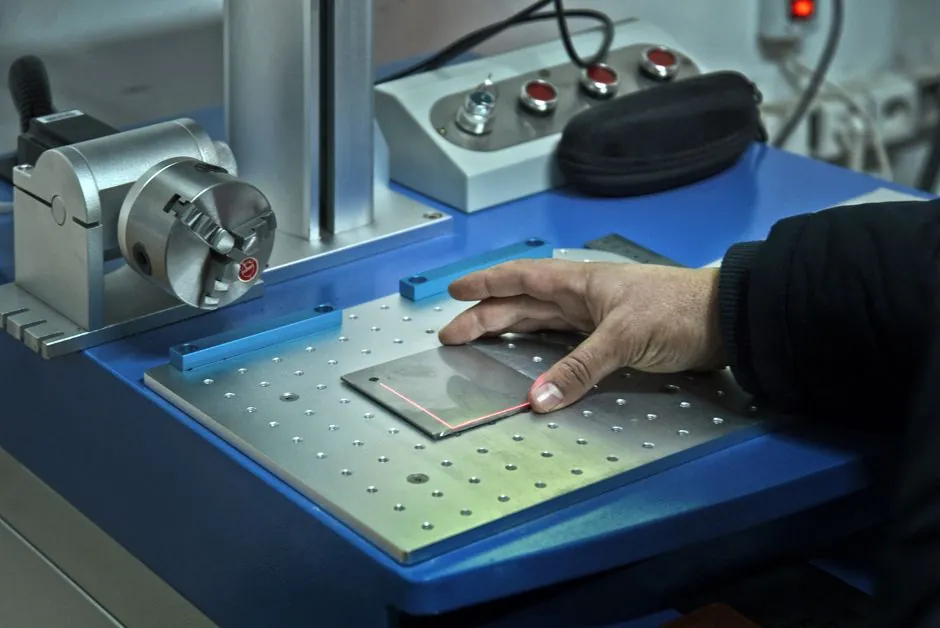
Vertical and horizontal LPDC machines in the 800-15,000-ton clamping range now supply aluminum electronics housings from roughly 100 g smartphone heat-spreaders up to multi-kilogram data center chassis components, with Bühler, Italpresse Gauss, L.K. Group, Toshiba, and Ube cited as principal equipment sources [S2].
Electronics and consumer goods account for an estimated 12.1% of LPDC machine demand globally, behind automotive (42.3%) and aerospace, but the segment is a clean fit for LPDC's low porosity, slow fill, and gravity-fed stable metallurgy, as documented in current OEM guidance [S2][S3].
Process Envelope: Pressure, Fill, and Cycle Time
LPDC injects molten aluminum or magnesium from a sealed furnace into a permanent die at pressures below 100 psi, typically 1-3 minutes per cycle, with consistency rated moderate to high but below HPDC's sub-second cycle and tighter tolerance band [S3].
For electronics housings, the trade-off is decisive: HPDC at 10,000-20,000 psi gives the fastest cycle and thinnest walls but introduces higher gas porosity, while LPDC at sub-100 psi delivers slower fill, lower trapped-air content, and better pressure-tightness for sealed RF/EMI enclosures and liquid-cooled cold plates [S3][S2].
When wall sections drop below 1.5 mm or features require draft-free cosmetic surfaces, HPDC remains the reference process; LPDC is preferred when the part must be weldable, heat-treatable, or leak-tight to less than 1×10⁻⁶ mbar·L/s without impregnation [S3].
Machine Class and Clamping Force Mapping
Modern LPDC cells span 800-ton to 15,000-ton locking force, matching part envelopes from approximately 100 g smartphone frames to 50 kg-plus server and traction-equipment housings, with horizontal LPDC holding 58.5% of installed base by machine count [S2].
For electronics housing work in the 200-800 mm projected footprint range, 1,500-4,000-ton vertical LPDC platforms dominate because the vertical furnace-below-die layout keeps the melt column short, reducing oxide entrainment and supporting controlled-fill profiles for thin-wall heat sinks [S2][S8].
Japanese machine builders in this class differentiate on proprietary vacuum assist, electromagnetic stirring, and AI-driven shot-parameter control, which 2025 industry reporting identifies as the leading path to lower porosity in magnesium and Al-Si thermal management parts [S8].
Alloy Selection: A380, AlSi9Cu3, and Mg Alternatives
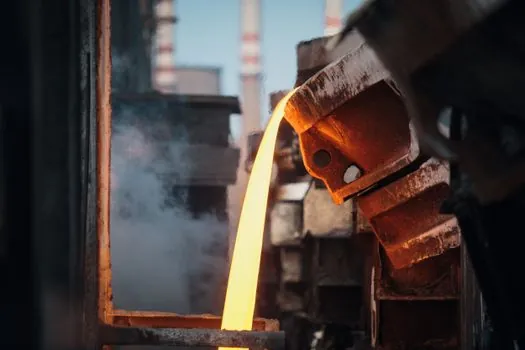
A380 (Al-Si-Cu) remains the default North American general-purpose die casting alloy for electronics enclosures, balancing castability, dimensional stability, and cost for housings, brackets, and motor frames [S5].
For thermal management parts where conductivity above 150 W/m·K and pressure-tightness matter, AlSi9Cu3(Fe) and similar near-eutectic Al-Si grades are commonly selected in LPDC because the slow, sub-100 psi fill avoids the cold-shut and die-soldering defects seen in high-turbulence HPDC of the same alloys [S3][S5].
Magnesium LPDC, primarily AZ91D and AM60B, is specified where density below 1.8 g/cc is required for laptop chassis and handheld device frames, with the same vacuum-assisted LPDC platforms used for premium automotive wheels repurposed for electronics runs [S8].
Comparison: LPDC vs HPDC vs Gravity for Electronics Housings
Across the four decision criteria that drive housing selection, LPDC sits between HPDC and gravity permanent mold: HPDC wins on cycle (seconds) and thin-wall capability but loses on porosity and weldability; gravity casting wins on simplicity and tooling cost but loses on metallurgical consistency; LPDC wins on pressure-tightness, heat-treatability, and medium-to-high volume repeatability [S3].
For thermal-management housings specifically, vertical LPDC delivers the best balance: cycle time of 1-3 minutes is acceptable for batches of 5,000-50,000 parts, leak-tightness is achieved without impregnation, and the slow fill supports Al-Si alloys prone to soldering at HPDC velocities [S2][S3].
For high-cosmetic, thin-wall consumer electronics skins (laptop covers, phone mid-frames under 1.2 mm), HPDC continues to dominate because the 10,000-20,000 psi fill captures micro-feature fidelity that LPDC cannot replicate within a competitive cycle [S3][S4].
Who LPDC Is For, and Where It Falls Short
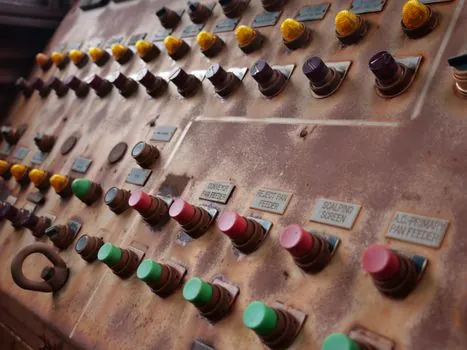
LPDC is the right process for electronics housings that must be leak-tight, weldable, or heat-treated: server cold plates, 5G base station heat sinks, EV power-module enclosures, and aerospace electronics chassis where porosity specifications preclude HPDC [S2][S3].
LPDC is not the right process for sub-millimeter cosmetic surfaces, ultra-high-volume consumer skins above 500,000 parts/year where HPDC cycle economics dominate, or short prototype runs where the lead time and cost of a permanent LPDC die cannot be amortized [S3][S4].
Tool-and-die material selection for LPDC electronics tooling follows hot-work tool steel grades such as H13, where the lower thermal shock of sub-100 psi LPDC relative to HPDC extends die life, a relevant cross-reference for procurement planning Tool and Die Steel Selection [S1].
Standards, Sourcing Signals, and 2026 Market Context
ASTM B85 covers aluminum-alloy die castings produced in both HPDC and LPDC, and is the most commonly cited material specification for LPDC electronics housings exported into North American supply chains, while EN 1706 governs equivalent European alloy designations. [S3]
Global LPDC machine demand reached $2.73 billion in 2025, projected to $4.54 billion by 2034 at 5.8% CAGR, with Asia Pacific holding 48.2% share, China alone delivering over 60% of regional LPDC machine capacity, and Japan supplying premium vacuum/AI-controlled cells for high-end electronics and aerospace work [S2][S8].
Procurement teams specifying LPDC for electronics housings in 2026 should weigh two trackable signals: the rising share of vertical LPDC with vacuum assist in Japanese and Korean equipment catalogs, and the growing use of squeeze casting as a hybrid alternative for high-pressure electronic enclosures, covered separately in Squeeze Casting Machine Selection [S2][S8].
For the relevant spec sheets and selection criteria, see low pressure die casting machine, die casting machine, and aluminum die casting machine.