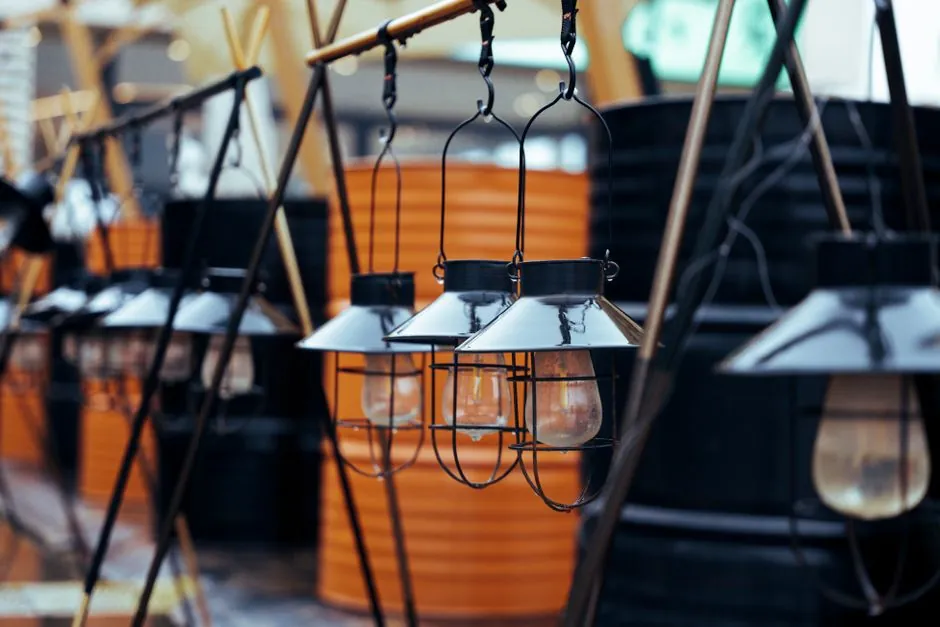
Lighting-fixture foundries evaluating low pressure die casting typically run 0.3-1.5 bar fill pressure into a heated steel die held at 110-120°C, with the molten aluminum held around 950°C in an underlying furnace and lifted through a graphite-coated riser tube [S1].
Lighting components (heat-sink housings, street-light pole bases, down-light bodies, chandelier arms) generally fit under 0.75 kg per shot, putting them in the small-to-mid LPDC machine class where platen size, shot weight, and cycle rate dominate the buying decision rather than locking force [S2].
What an LPDC Machine Actually Does in a Lighting Line
An LPDC cell pressurises the furnace with dry air (typically 0.3-1.5 bar regulated), forcing molten aluminum up a riser tube, through a sprue, and into a horizontally split permanent mold; the casting freezes upward, the upper die is lifted off, and ejectors in the top half push the part out [S4].
For lighting, this matters because the upward solidification direction gives dense, low-porosity parts suitable for heat-sink fins on LED fixtures and the structural bosses inside street-light housings, both of which need to dissipate heat or carry load without secondary impregnation [S1]. Dies are commonly cast iron for short runs and H13-grade tool steel for high-volume lighting programs, with a ceramic-spray coating applied to extend die life and control the skin of the casting [S4].
Selection Criteria Tied to the Part, Not the Brochure
Three numbers drive a lighting-fixture LPDC buy: platen size, maximum shot weight (kg Al), and furnace capacity (kg or liters). The first two come from the largest fixture envelope plus a 15-20% margin; the third from the planned cycle time and daily throughput [S3].
Mold temperature must be controlled between 110°C and 120°C during production, with the molten bath held at roughly 950°C idle and the two thermocouples within 10°C of each other to avoid casting defects [S1]. Graphite-water coolant in the die is held at 30-60°C with the tank level 10-15 mm above the immersed back of the mold; this is the small but constant process envelope a lighting buyer should audit on the shop floor [S1].
Die steel choice separates prototypes from production: cast iron dies suit runs under a few thousand parts, while H13 tool steel with a ceramic coating is standard for serial lighting production where thermal fatigue controls die life [S4]. For buyers comparing LPDC to other casting routes, the LPDC process overview frames where it sits against die casting and gravity die casting on density, throughput, and tooling cost.
Where LPDC Fits, and Where It Doesn't

LPDC is the right answer when the lighting part is aluminum or magnesium, weight is up to roughly 0.75 kg per shot, the section is moderately thick (3-12 mm typical), and the buyer needs pressure-tightness or thermal conductivity without impregnation. It is the wrong answer for thin-wall (under 2 mm) LED trim rings, for high-mix/low-volume decorative pieces, and for any alloy that needs vacuum degassing on every cycle. [S1]
Compared to high-pressure die casting, LPDC runs slower but delivers measurably lower porosity and better mechanical properties, with a typical tensile uplift of 10-20% on heat-treated A380-class alloys; that trade is what justifies the higher equipment and die cost in lighting heat-sink and pole-base applications [S7]. For heavier lighting columns, architectural façades, and large luminaire bodies, the aluminum die casting machine class covers the same alloy family at a different process envelope. Where magnesium-alloy lighting parts are specified for weight reduction, the magnesium die casting machine class becomes relevant.
Process Control Points a Buyer Should Write Into the Spec
A practical lighting LPDC specification should pin down fill pressure (0.3-1.5 bar, regulated), pressurisation ramp, hold pressure and hold time, die temperature band (110-120°C), melt temperature (~950°C for A356/A380), riser-tube preheat (orange heat), and the cleaning interval (sand-blast every ~30 molds) [S1].
Day-to-day, the riser tube must be inspected every shift for cracks and coating loss, cleaned roughly every 30 minutes in production, and replaced when wall thinning is visible; a new copper charge should not exceed 20 kg per addition to avoid thermal shock to the bath [S1]. Furnace atmosphere and riser-tube dry-out are the two failure modes that most often stop a lighting line, and both are visible during a 30-minute supplier audit.
Decision Matrix: LPDC vs HPDC vs Gravity for Lighting
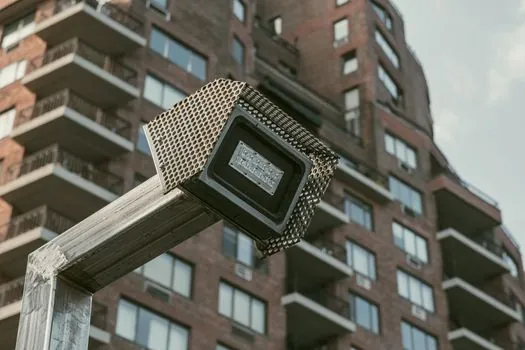
Across the three main options, LPDC wins on porosity and mechanical strength, HPDC wins on cycle time and thin-wall capability, and gravity die casting wins on tool cost and flexibility but loses on density. LPDC machines typically sit in the 50-200 kW installed-power range with platen sizes of 600-1,200 mm and shot weights of 2-25 kg Al, which is the band where most lighting-fixture work lands. [S1]
For part weight under 0.75 kg and runs above 20,000/year, LPDC's density advantage and lower scrap rate usually beat HPDC on total cost; for runs under 5,000/year or for very thin decorative trim, gravity casting is normally cheaper. Vacuum-assisted LPDC, covered under the vacuum die casting machine category, is the right call when lighting housings must pass IP66 leak tests without secondary sealing.
Standards, Sourcing, and 2026 Market Signal
Lighting LPDC programs are typically purchased to general aluminum-alloy standards (A356, A380, ADC12) with process references to ISO 8062 for dimensional tolerance and ASTM E505 for radiographic inspection of critical lighting-structural parts; buyers should require the mill cert and a first-article layout report on every new die [S5].
Market analysis published in 2026 puts LPDC machine demand on a steady growth path through 2034, with automotive lightweighting and EV battery housings pulling the headline volume, while lighting and architectural aluminum remain a stable secondary segment [S7]. Real-time process monitoring and servo-controlled metal flow are the two capability lines now showing up in OEM data sheets for next-generation LPDC cells serving these adjacent markets [S6]. For shops weighing alloy flexibility, an LPDC cell can share a furnace with gravity die casting cells on the same floor, which is a layout question a process engineer should raise before placing the order [S4].
Trackable signals to watch over the next two quarters: OEM announcements of servo-controlled LPDC cells with closed-loop pressure control, and any lighting-tier buyer publishing a switch from sand or gravity casting to LPDC for heat-sink housings above 5,000 units/month. See how similar spec-first logic plays out in adjacent process buying in this tool and die steel selection map.