
A magnesium die casting machine cell needs a sealed, gas-purged enclosure because molten magnesium auto-ignites at approximately 473°C in air, and water or CO2 extinguishers react violently with the melt, so fire prevention is engineered into the cover-gas loop rather than the response chain [S1][S3].
Modern cells integrate roughly 12 infrastructure systems per machine, with dedicated argon, natural gas, compressed air, and tower cooling water feeds routed to a vent-less hood that contains the protective atmosphere around the shot sleeve, furnace spout, and die plenum [S5].
Why Cover Gas Exists: Magnesium Combustion Behaviour
Magnesium has a density of about 1.74 g/cm³, roughly two-thirds that of aluminum, which is why it is selected for lightweight structural castings, but the same reactivity that drives thin-wall filling also makes the molten bath oxidize rapidly above ~450°C without a barrier layer [S3][S4].
Two main exclusion methods exist: a salt-flux cover that physically blankets the melt, or a protective cover gas that displaces oxygen above the bath; most safety-focused OEM cells specify the gas method because flux residues and moisture uptake raise hydrogen porosity and corrosion risk [S3].
MIOSHA Part 45 dedicates rule R 408.14561 to magnesium, general, sitting inside the same Michigan General Industry Standard that governs hot- and cold-chamber die casting machines, automatic safety doors, furnaces, and sprue cutters, and employers must document both machine controls and the melt-handling procedure [S1].
Gas Options: SF6, HFC, and Low-GWP Replacements
Sulfur hexafluoride (SF6) is the legacy cover gas, with a global warming potential roughly 23,500 times that of CO2, which is why it sits at the centre of EPA F-Gas Partnership voluntary reductions and ultra-low-GWP substitution work [S2].
Best Technology's BestSolv magnesium cover gas is chemically identical to the discontinued 3M Novec 612 fluid, a fluorinated ketone that the supplier markets as a low-GWP drop-in, with zero ozone depletion potential, while still providing the dense, oxygen-excluding layer magnesium melts need [S6].
Dry argon, Ar/CO2 blends, and Ar/SF6 mixtures remain common baseline choices; a 2024 review of cover-gas chemistry in magnesium alloy die-casting confirms that the gas system must keep oxygen below a few hundred ppm at the melt surface, otherwise the MgO skin breaks down and burn-through starts at the sprue [S3][S6].
System Architecture: Casting Module, Gas Manifold, and Vent-Less Hood
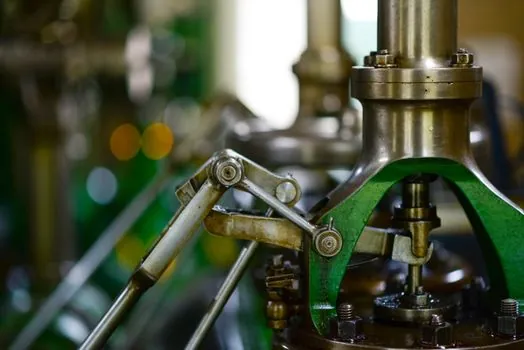
CN patent CN115194130A describes a magnesium-alloy casting gas-protection system split into a casting module and a gas-distribution module, where the distribution module meters flow to localized nozzles above the shot sleeve and die cavity rather than flooding the whole cell [S7].
For new magnesium die cast facility builds, IMEG specifies vent-less hoods, so the protective cover-gas envelope is contained around the cell and a single high-temperature exhaust duct feeds the thermal oxidizer, rather than relying on open shop-floor ventilation [S5].
The ducted exhaust is the reason an RTO for magnesium die casting must be engineered as an explosion-protected combustion appliance: unburned magnesium particulate in the exhaust stream can ignite inside the oxidizer, so flame arrestors, temperature interlocks, and LEL monitoring are layered into the upstream gas-handling skid, not just the burner [S8].
Cover-Gas Distribution vs. Aluminum Cell Practice
On an aluminum die casting machine cell the protective gas question is usually limited to a small inert blanket on the furnace bath, because aluminum forms a self-healing oxide skin and its melt is far less prone to through-thickness burn. [S4]
Magnesium cells instead route cover gas to the shot sleeve, the die cavity, and any holding furnace, with separate mass-flow controllers per zone, so a breach in one zone does not pull oxygen across the whole machine [S5][S7].
A practical comparison: aluminum cells typically run one or two gas circuits per machine, magnesium cells run three to five, and the additional circuits are what justify the vent-less hood, the higher argon consumption per shift, and the gas-tight cable and lance penetrations through the cell enclosure [S5].
Selection Criteria for Plant Engineers
Five engineering criteria drive cover-gas system choice on a new magnesium cell: (1) the alloy family, since AZ91D, AM60B, AM50A, and AS41B have different iron and copper tolerance windows that interact with cover-gas chemistry [S4]; (2) regulatory exposure, because any SF6 use above 10 kg on site in the EU triggers F-Gas reporting, and California AB 197 sets similar limits; (3) hood architecture, vent-less designs reduce gas consumption but raise exhaust-treatment complexity; (4) utility availability, since argon supply purity, pressure stability, and backup cylinder count determine whether a cell can ride out a gas interruption; (5) downstream exhaust treatment, because the RTO must be rated for magnesium particulate and must meet NFPA fire codes for flammable particulate in oxidizer inlet streams [S5][S8].
For programs that need higher ductility than AZ91D, AM60B and AM50A are the common substitutes, and the cover-gas chemistry is normally unchanged, since the ignition risk is set by the magnesium content of the alloy, not by the aluminum or manganese additions [S4].
Failure Modes and Inspection Intervals
The most common cover-gas failure mode is oxygen ingress through a worn lance seal, a cracked hood gasket, or a depressurized argon manifold, and the typical detection path is a rising ppm-O2 reading in the cell exhaust coupled with a drop in melt surface brightness visible through the viewing port [S3][S7].
MIOSHA Part 45 requires that machine controls and the magnesium-handling procedure be reviewed by the employer, and a typical plant cadence couples this with weekly O2-sensor calibration, monthly mass-flow controller leak-check, and a full hood-pressure decay test on a quarterly schedule [S1][S7].
On an H13-tooled die running thin-wall magnesium parts, cover-gas loss during a cell stoppage is the single most common root cause of die-surface burn marks, because the die steel heats locally above 450°C and any oxygen in the hood attacks both the magnesium shot and the die surface.
Safety Controls Around the Gas System
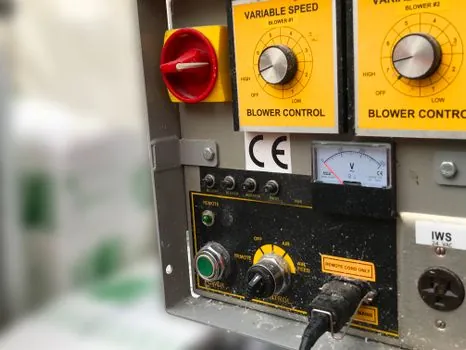
Magnesium cell two-hand control and operator guarding mirror the wider die-cast machine safety stack, including the OSHA / ISO two-hand control rule set for the shot cylinder, and MIOSHA Part 45 explicitly requires automatic safety doors, sprue cutter guarding, and extractor guarding in addition to the gas-side controls [S1].
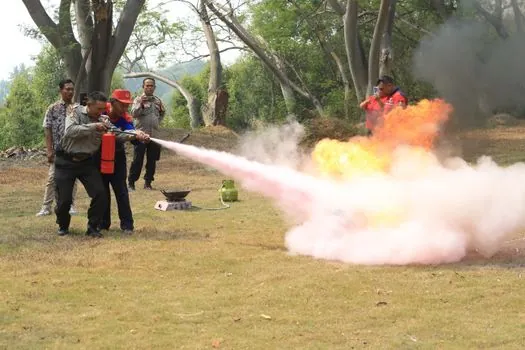
Dry-chemical Class D extinguishers, graphite or sodium chloride-based, are the correct manual response, and a documented dry-powder reserve must sit outside the vent-less hood but inside the cell line of travel, because water, foam, and CO2 all react with burning magnesium [S1][S8].
Exhaust-side RTOs need a flame arrestor, a high-temperature interlock, and a continuous LEL probe on the oxidizer inlet; Yurcent's June 2026 magnesium-die-casting RTO reference is explicit that the gas-handling skid upstream of the burner is where the fire prevention logic lives, not inside the combustion chamber [S8].
Tracking Signals for the Next Six Months
Two trackable signals stand out: (1) further low-GWP cover-gas launches replacing Novec 612-era fluids, following BestSolv's positioning as a chemically identical drop-in [S6]; (2) state-level magnesium-cell permitting in the U.S. Midwest, where the MIOSHA Part 45 framework is the most cited baseline and any new greenfield expansion in Ohio, Indiana, or Michigan will surface through the same employer-responsibility rules [S1].