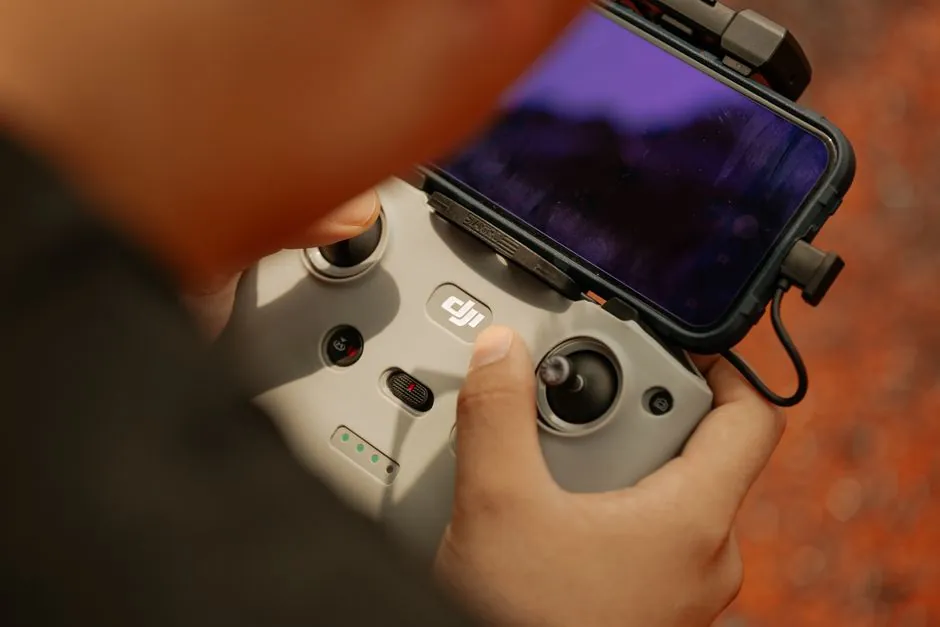
A two-hand control device, defined under 29 CFR 1910.211(d)(17), is a two-hand trip that further requires concurrent pressure from both hands of the operator during a substantial part of the die-closing portion of the stroke of the press [S4]. A one-hand control device, by contrast, is a simple single-actuator start or trip that has no regulatory requirement for simultaneous dual-hand input and is therefore treated as a non-safeguarding actuator on hazardous machinery [S1][S4].
OSHA's mechanical-power-press rule at 29 CFR 1910.217 treats the two-hand control as a point-of-operation safeguarding device, while a one-hand trip is only permitted on full-revolution clutches where the operator is physically clear of the die by fixed guarding [S1][S4]. For European machinery built to the Machinery Directive 2006/42/EC and the harmonised EN ISO 13851, the two-hand control must meet Type III C, the highest category, and synchronisation between the two actuators must fall within 500 ms [S5].
Regulatory Definitions and Where Each One Applies
Under 29 CFR 1910.211(d)(17), a two-hand control device is not just two buttons; it is a trip that further requires concurrent pressure from both hands during a substantial part of the die-closing portion of the stroke [S4]. The companion rule at 29 CFR 1910.217(c)(3)(vii) reinforces that the two-hand control device shall protect the operator as specified in 1910.217(c)(3)(i)(e), covering reach, timing, and anti-repeat logic for part-revolution clutch presses [S4].
One-hand controls are addressed separately at 29 CFR 1910.217(b)(7)(iii) for full-revolution clutch presses, where a single trip is acceptable only because the operator is kept out of the die area by fixed guards, light curtains, or pull-backs during the entire stroke [S1]. In other words, OSHA permits a one-hand trip on a full-revolution press because the machine itself cannot be stopped mid-stroke, and the operator's hands are mechanically kept away from the die [S1][S4].
Concurrent Actuation, Timing, and Anti-Tie-Down Logic
EN ISO 13851:2019 defines three two-hand control types: Type I requires both buttons held simultaneously, Type II adds anti-tie-down so a tied or wedged button is detected, and Type III C is the synchronous category that must be used where a single fault can lead to immediate danger [S5]. The harmonised C standard under the Machinery Directive requires the time window between the two input signals to be no greater than 500 ms; a wider window is treated as a deliberate bypass and the safety output must not energise [S5][S6].
Safety control modules for two-hand circuits implement this check in hardware, not in software, and they must detect faults such as a short-circuited contact, a welded relay, or a button held down from a previous cycle [S3]. Rockwell Automation's two-hand monitoring safety function description requires power to the hazard only when both palm buttons are actuated within the synchronisation window and released before the next cycle can begin, giving a stop category 0 or 1 depending on the hazard risk assessment [S6].
Where a One-Hand Control Is Acceptable, and Where It Is Not

One-hand control is acceptable on full-revolution mechanical power presses where the operator cannot reach the die after the stroke starts, and on woodworking machinery such as 29 CFR 1910.213(q)(6) veneer cutters when fixed guarding is already in place [S1][S4]. A single hand-held trigger is also the only practical control on portable powered circular saws and percussion tools covered by 29 CFR 1910.243(a)(2), where a two-hand requirement would be physically impossible to meet [S4].
One-hand control is not acceptable as a safeguarding device on part-revolution clutch presses, hydraulic press brakes without fixed guards, or any machine where the operator's hands can enter the crush point before the hazardous motion stops [S1][S3]. A one-hand start button paired with a relying on light curtains alone is a common audit finding, and OSHA has cited facilities where operators defeated the curtain to speed up production [S7]. Two-hand control is also the listed option for resistance spot and seam welding machines under 29 CFR 1910.255(b)(4) when an electronic eye safety circuit is not used, alongside mechanical guarding [S4].
Component Architecture: Buttons, Safety Relay, and Integration
Eaton's functional-safety guidance for two-hand circuits shows dual-channel wiring with normally closed and normally open contacts on each button, fed into a certified safety relay that closes its output contacts only when both channels agree inside the synchronisation window [S2].
For OEM panels, the safety relay is typically mounted inside the control cabinet and wired with shielded control cable to keep the two channels physically separated and immune to common-mode faults [S2][S6]. When pneumatic or hydraulic logic is used, the equivalent check must be done by a dual-solenoid control valve with monitored spool position, because a stuck spool can otherwise re-energise the hazard on the next cycle [S5].
Decision Matrix: One-Hand vs Two-Hand Control on a Real Press Cell

Specifying the right control starts with the press type and the operator's reach. On a part-revolution mechanical press with a 250 mm die opening and a 100 mm/s closing speed, a one-hand trip fails the OSHA 1910.217(c)(3) reach criteria because the operator can reach the die before top-dead-centre [S1][S4]. A Type III C two-hand control with a 500 ms sync window, dual-channel wiring, and a stop-category 0 contactor meets both 29 CFR 1910.217(c)(3)(vii) and ISO 13849-1 PL e / EN ISO 13851 Type III C [S5][S6].
On a hydraulic press brake with a light curtain and a foot pedal, the same hazard analysis often forces a two-hand control anyway, because foot pedals alone are not classified as safeguarding devices under 29 CFR 1910.217(h) and the operator can step over the toe guard mid-stroke [S1]. In practice, the cheapest code-compliant choice on a small bench press is a pre-built two-hand station with an integrated safety relay, while larger cells justify a modular safety controller with dedicated two-hand function blocks [S3][S6]. For background on the broader category of operator-interface devices, see the hand tools and access control reference pages, and for a side-by-side of how a separate two-hand control module compares to a generic start station, the dedicated encyclopedia entry lists typical wiring diagrams and response times.
Installation Pitfalls and Common Audit Findings
The most frequent failure mode is mounting the two buttons close enough to be pressed by one hand, defeating the whole logic: OSHA and EN ISO 13851 both require a minimum separation of 260 mm (Type III C, hand separation in the European guidance) so that a single palm cannot bridge both actuators [S5]. A second common finding is using two plain push buttons wired directly to a contactor without a certified safety relay, so a short across one button energises the hazard without the second input [S3].
Third, tying or wedging one button so the operator only has to press the other is the classic bypass; Type II and Type III C anti-tie-down logic in the safety module detects a button that was already closed before the start command and refuses to start the cycle [S3][S5]. Finally, the synchronisation window must be tested at commissioning, not just at design review, because a relay set to 1 s instead of 500 ms will pass a no-fault functional test and still violate the standard [S5][S6]. Related tooling trade-offs, such as the choice of single-axis versus triaxial accelerometer on the same press cell, show how cycle-time pressure pushes designers toward leaner architectures, with the same risk pattern appearing on one-hand versus four-channel safety circuits covered in the one-channel vs four-channel controller cost split reference.
Cost, Cycle Time, and Engineering Trade-offs

A pre-built two-hand station with an integrated safety relay lists in the 250-450 USD range as of mid-2026, against roughly 40-90 USD for a one-hand start button and a contactor, so the delta is largely the certified relay and the dual-channel wiring, not the actuators [S3][S5]. Cycle-time penalty is small: a well-tuned Type III C station adds 30-80 ms per cycle to the synchronisation check, and the operator can release both buttons as soon as the press trips so the press itself does not have to wait [S5][S6].
On a high-speed progressive-die press running 60 strokes per minute, a two-hand control with anti-repeat logic typically costs 1-2 percent of throughput, while a single disabling hand injury in the United States averages over 35,000 USD in direct workers' compensation, which is why two-hand controls are standard on any unguarded part-revolution press [S7].
Trackable signals: the next CENELEC maintenance cycle for EN ISO 13851 falls in 2027, and OSHA's National Emphasis Program on amputations continues to drive two-hand control citations on mechanical power presses through 2026, so plants that have not re-validated their synchronisation windows and button-separation geometry should schedule the check before the next press rebuild.